

Shading and blinds help you control your indoor climate by blocking or filtering sunlight and heat. They prevent excessive heat gain that can make your space uncomfortable while reducing the need for air conditioning. Properly placed and operated, these devices adapt to seasonal changes and weather conditions, keeping your home cooler in summer and warmer in winter. By using shading effectively, you can boost comfort and save energy—discover more ways to optimize your indoor environment.

Get backup power and energy gear delivered free with Prime
- Fast, free delivery on millions of items
- Prime Video, Amazon Music and more included
- Member-only deals all year
Key Takeaways
- Shading and blinds regulate sunlight entry, reducing indoor heat gain and maintaining comfortable temperatures.
- Exterior and interior shading devices block or control solar radiation, lowering the need for air conditioning.
- Adaptive shading strategies respond to seasonal changes, optimizing energy efficiency year-round.
- Proper placement and operation of blinds enhance their effectiveness in controlling indoor climate.
- Effective shading minimizes energy costs and reliance on mechanical cooling and heating systems.
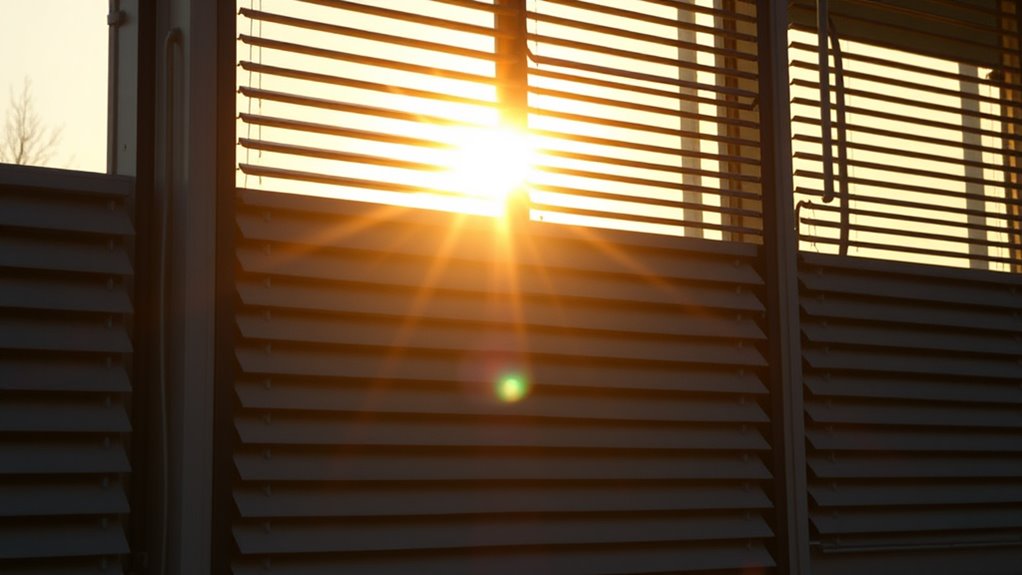
Shading and blinds play a crucial role in managing indoor climate by controlling sunlight and heat gain. When sunlight streams through your windows, it can substantially impact your indoor environment, especially through solar gain. Excessive solar gain causes indoor temperatures to rise, making your space uncomfortable and increasing your reliance on air conditioning. By strategically using shading and blinds, you can reduce this heat influx, helping maintain a more consistent and comfortable indoor temperature. This not only boosts your comfort but also lowers energy consumption, leading to potential savings on utility bills.
Shading and blinds reduce heat gain, enhance comfort, and cut energy costs by controlling sunlight in your space.
You have a variety of options when it comes to shading and blinds, and choosing the right type depends on your specific needs and the orientation of your windows. For example, exterior shading devices like awnings or shades can block sunlight before it even reaches the glass, effectively reducing solar gain. Interior options like Venetian blinds, roller shades, or blackout curtains allow you to adjust the amount of light entering your space throughout the day. When used properly, these blinds can be tilted or drawn to limit direct sunlight, minimizing heat transfer and preventing your indoor temperature from climbing too high.
In warmer months, deploying blinds during peak sunlight hours helps keep your indoor environment cooler. Conversely, during colder months, opening them allows sunlight to naturally warm your space, reducing the need for additional heating. This dynamic use of shading and blinds gives you greater control over your indoor climate, enabling you to adapt to changing weather conditions and sunlight angles. Additionally, modern blinds often come with insulating layers or reflective coatings that further diminish heat transfer, making them even more effective at managing indoor temperature.
It’s also worth noting that proper placement and operation of blinds can influence how well they control solar gain. For instance, shading south- or west-facing windows during the hottest parts of the day can substantially lower indoor temperatures. Installing automated blinds that respond to sunlight sensors can make this process effortless, ensuring you’re always optimizing your shading strategy without constant manual adjustments. Furthermore, research indicates that properly installed shading devices can significantly decrease cooling costs and improve energy efficiency. Overall, investing in suitable shading and blinds empowers you to regulate indoor temperature more efficiently, reduce reliance on mechanical cooling or heating, and create a more comfortable, energy-efficient living or working space.
Frequently Asked Questions
How Do Shading Devices Impact Indoor Air Quality?
Shading devices improve your indoor air quality by reducing heat buildup and minimizing the need for air conditioning, which can circulate dust and pollutants. They prevent excessive sunlight from entering, lowering indoor temperatures and humidity levels. This helps you breathe cleaner air and reduces mold growth caused by moisture. By controlling sunlight and heat, shading devices create a healthier environment, making your indoor space more comfortable and air-quality-friendly.
Can Blinds Improve Energy Efficiency in Commercial Buildings?
Think of blinds as a smart shield, helping you cut energy costs in commercial buildings. Proper window installation guarantees they fit well, maximizing efficiency. You’ll also want to maintain your blinds regularly, like tuning a fine instrument, to keep them working effectively. By choosing the right blinds and practicing good maintenance, you can reduce cooling and heating needs, lowering energy bills and boosting overall efficiency.
What Materials Are Best for Shading in Extreme Climates?
In extreme climates, you should choose durable materials like aluminum or weather-resistant fabrics for shading. Aluminum provides excellent durability and reflects heat effectively, making it ideal for hot, harsh environments. Weather-resistant fabrics, such as acrylic or PVC-coated materials, resist extreme moisture and UV damage while maintaining performance. Compare these materials based on durability considerations, ensuring your shading system withstands environmental stresses and maintains efficiency over time.
Do Automated Blinds Adjust Based on Weather Conditions?
You might be surprised to learn that automated blinds do adjust based on weather conditions. When smart sensors detect changes like sunlight, temperature, or wind, they automatically respond to optimize comfort and energy efficiency. You can also set your preferences, ensuring the system aligns with your lifestyle. This seamless integration means you don’t have to lift a finger—your blinds adapt effortlessly, creating a smarter, more comfortable environment for you.
How Do Shading Options Affect Natural Lighting and Glare?
Shading options greatly impact natural lighting and glare by optimizing daylight and reducing harsh brightness. By adjusting blinds or shades, you can control the amount of sunlight entering your space, enhancing daylight optimization for a well-lit environment. This also helps in glare reduction, making it more comfortable to work or relax without eye strain. Proper shading ensures you enjoy natural light while minimizing glare issues throughout the day.
Conclusion
By choosing shading and blinds, you gain control over your environment, reducing energy bills and enhancing comfort. Yet, they also serve as a barrier, blocking out harsh sunlight and unwanted heat. This dual role lets you balance openness with protection, creating a space that feels both inviting and efficient. So, while they shield you from the sun’s glare, they also invite you to enjoy a cooler, more sustainable home—truly a smart choice for climate control.
Halloween Picks
halloween
As an affiliate, we earn on qualifying purchases.


