In tighter homes, you should watch indoor CO2 levels above 800 ppm, as higher concentrations can cause fatigue, headaches, and difficulty concentrating. Once CO2 reaches 1,000 ppm, it signals stale air and the need for better ventilation. Levels over 2,000 ppm can cause dizziness or nausea, which are serious health concerns. Keeping an eye on these numbers helps you maintain a comfortable, healthy environment—if you keep going, you’ll discover how to manage air quality effectively.

Get backup power and energy gear delivered free with Prime
- Fast, free delivery on millions of items
- Prime Video, Amazon Music and more included
- Member-only deals all year
Key Takeaways
- Aim to keep indoor CO2 levels below 800 ppm for optimal comfort and health.
- Levels above 1,000 ppm indicate inadequate ventilation and the need for increased air exchange.
- Monitor CO2 regularly to prevent buildup in airtight, energy-efficient homes.
- Use mechanical ventilation systems to maintain safe CO2 levels consistently.
- Be alert to symptoms like headaches or fatigue, which may signal rising indoor CO2 concentrations.
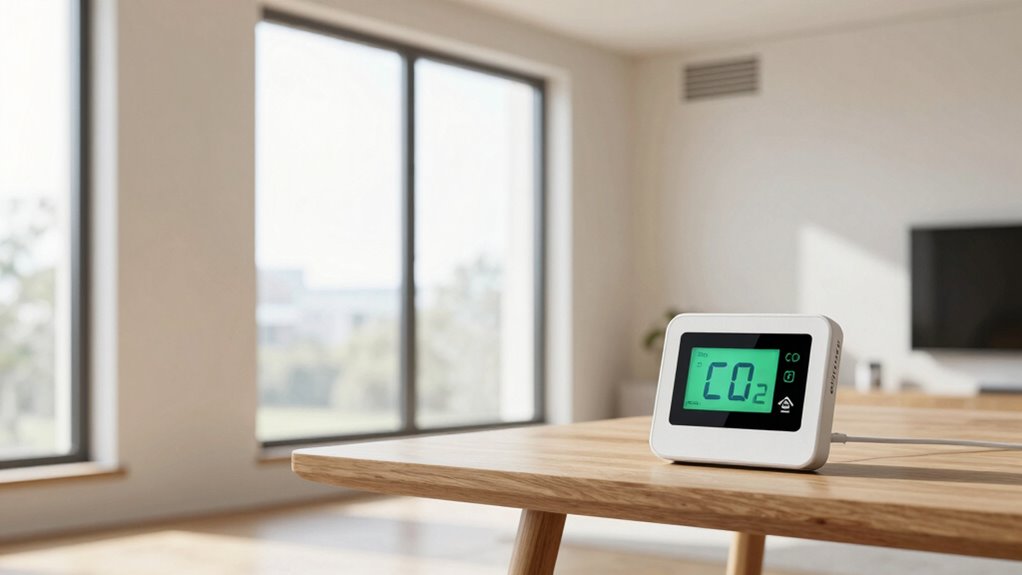
As homes become more airtight to improve energy efficiency, indoor CO2 levels can rise to uncomfortable or unsafe levels if ventilation isn’t properly managed. When your home is sealed tightly, the air quality inside depends heavily on how well you exchange stale indoor air for fresh outdoor air. Without adequate ventilation strategies, CO2 can accumulate quickly, leading to stuffiness, drowsiness, or even health issues over time. That’s why paying attention to indoor CO2 levels is crucial, especially in modern, energy-efficient homes. You want to maintain a comfortable environment without sacrificing the benefits of a well-insulated house.
Monitoring indoor CO2 levels gives you a clear picture of your home’s air quality. When CO2 concentrations climb above 800 parts per million (ppm), you might notice increased fatigue, headaches, or difficulty concentrating. At levels exceeding 1,000 ppm, the air can feel noticeably stale, and your body signals that it’s time to improve ventilation. If CO2 levels push even higher, around 2,000 ppm or more, it becomes a health concern, possibly causing dizziness or nausea. Keeping an eye on these numbers helps you stay proactive, ensuring your living space remains safe and comfortable. Incorporating natural ventilation methods, such as cross-ventilation, can also help improve air quality without relying solely on mechanical systems.
Monitoring CO2 levels helps maintain a safe, comfortable home and signals when ventilation improvements are needed.
Effective ventilation strategies are essential in tight homes to control CO2 buildup. Mechanical ventilation systems, like energy recovery ventilators (ERVs) or heat recovery ventilators (HRVs), are designed to bring in fresh air while minimizing energy loss. These systems operate continuously, providing a steady flow of outdoor air, which helps dilute indoor CO2 and pollutants. Additionally, air exchange rates are a critical factor in how effectively a home maintains healthy air quality, especially in sealed environments. Alternatively, simple strategies like opening windows and doors periodically can be effective, especially when outdoor conditions permit. Installing exhaust fans in kitchens and bathrooms also promotes better airflow, preventing localized CO2 pockets and reducing indoor humidity and pollutants.
You should also consider the layout of your home and how air moves through it. Good air circulation prevents CO2 from lingering in one space, especially in areas like bedrooms or home offices where you spend a lot of time. If you’re using air purifiers, ensure they’re equipped with filters capable of improving overall air quality, though they don’t replace proper ventilation. Regularly inspecting and maintaining your ventilation systems keeps them functioning optimally, so you’re not unknowingly letting CO2 levels rise.
In a tight home, managing air quality isn’t just about comfort; it’s about health and safety. By understanding the importance of indoor CO2 levels and implementing effective ventilation strategies, you can create a healthier, more comfortable living environment. Keep track of your indoor air quality, use the right systems, and stay mindful of how your home breathes—your health depends on it.
As an affiliate, we earn on qualifying purchases.
Frequently Asked Questions
How Often Should Indoor CO2 Levels Be Monitored?
You should monitor indoor CO2 levels regularly, ideally once a week, to guarantee good air quality. Use reliable measurement methods like digital CO2 sensors or handheld detectors for accurate readings. Frequent monitoring helps you spot when ventilation needs to be improved, especially in tighter homes where CO2 can build up quickly. Staying vigilant allows you to maintain a healthier indoor environment and avoid issues caused by poor air quality.
What Are the Health Effects of High Indoor CO2?
High indoor CO2 levels can seriously impact your health, causing headaches, drowsiness, and dizziness that seem like they could slow you down forever. Poor air quality affects cognitive function, making it harder to concentrate and process information. When CO2 builds up, your body’s ability to stay alert diminishes, turning even simple tasks into monumental challenges. Keeping CO2 in check helps maintain good air quality and sharp thinking.
Can Indoor Plants Help Reduce CO2 Levels?
Yes, indoor plants can help reduce CO2 levels through plant absorption, where they take in carbon dioxide during photosynthesis. However, their impact is limited in small spaces or tightly sealed homes. To effectively lower CO2 levels, combine plant absorption with natural ventilation, like opening windows or using fans. This combined approach improves air quality, making your indoor environment healthier and more comfortable.
What Are the Best Ventilation Strategies for Tight Homes?
You should prioritize mechanical ventilation systems like HRVs or ERVs to guarantee high ventilation efficiency. These systems optimize air exchange, maintaining fresh air while conserving energy. Additionally, use exhaust fans in bathrooms and kitchens to remove stale air. Regularly open windows when possible to boost natural ventilation. Combining mechanical and natural strategies helps manage CO2 levels effectively, keeping indoor air quality healthy in tight homes.
How Do Indoor Activities Influence CO2 Concentrations?
Indoor activities like cooking, exercising, and even breathing increase CO2 levels, impacting air quality. When you engage in these activities, your ventilation systems work harder to remove excess CO2 and maintain a healthy environment. Proper ventilation helps control CO2 concentrations, ensuring good air quality. By understanding how your activities influence indoor air, you can adjust your ventilation strategies to keep your home fresh and safe.
As an affiliate, we earn on qualifying purchases.
Conclusion
Keeping an eye on indoor CO2 levels in tighter homes is like tuning a finely crafted instrument—you need to stay vigilant to keep the harmony. When CO2 rises, it’s a clear sign that *refreshing air* is lacking, and your comfort and health may be at risk. Regular ventilation acts as your home’s *invigorating breeze*, ensuring the air stays crisp and lively. Don’t let the quiet of a tight home lull you into overlooking these *essential* signs.
ventilation system for airtight homes
As an affiliate, we earn on qualifying purchases.
As an affiliate, we earn on qualifying purchases.
As an affiliate, we earn on qualifying purchases.
Halloween Picks
halloween
As an affiliate, we earn on qualifying purchases.