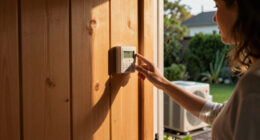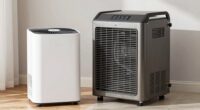
To prevent mold without making your home feel like a cave, control humidity by keeping it between 30-50% using dehumidifiers, and improve airflow with exhaust fans and open windows when possible. Use mold-resistant paints in moisture-prone areas, guarantee proper ventilation, and fix leaks promptly. Regularly clean surfaces to reduce mold spores. These steps keep your home dry and comfortable, and more tips to preserve your space’s fresh feel are just ahead.

Get backup power and energy gear delivered free with Prime
- Fast, free delivery on millions of items
- Prime Video, Amazon Music and more included
- Member-only deals all year
Key Takeaways
- Use mold-resistant paints with antimicrobial properties to prevent mold without darkening walls.
- Ensure proper ventilation and airflow to keep spaces dry without sacrificing brightness.
- Maintain indoor humidity levels between 30-50% with dehumidifiers and regular air circulation.
- Regularly clean surfaces and fix leaks promptly to reduce moisture buildup silently.
- Incorporate natural light and strategic ventilation to keep the home feeling open and fresh.
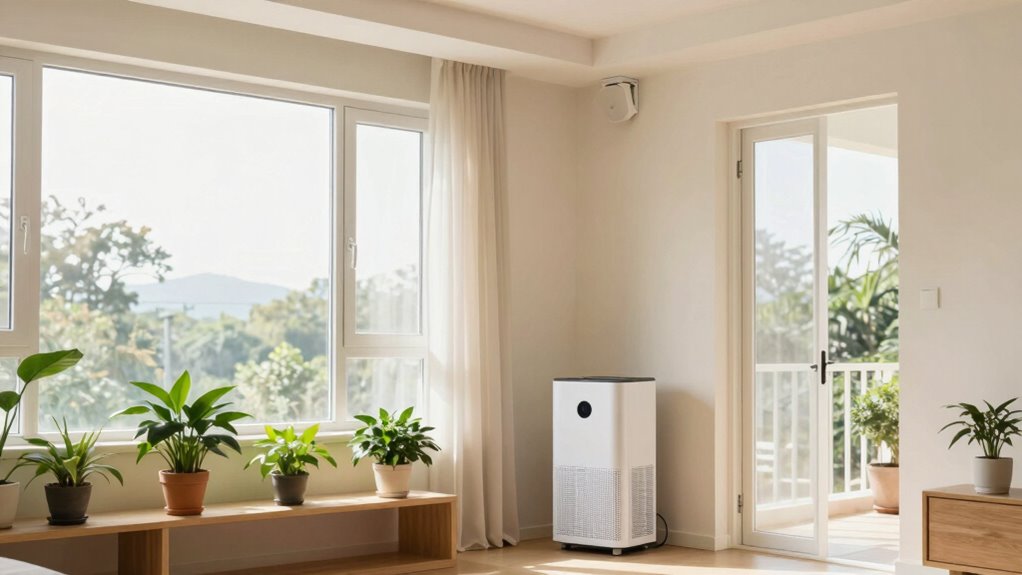
Mold can quickly become a problematic and unhealthy presence in your home if left unchecked. It thrives in damp, poorly ventilated areas, and without proper prevention, it can spread rapidly, affecting both your health and the integrity of your living space. To keep mold at bay without making your house feel like a cave, you need to focus on controlling moisture and improving air quality. One effective strategy is using mold resistant paints in areas prone to moisture, such as bathrooms, kitchens, and basements. These paints contain antimicrobial properties that inhibit mold growth, giving you an extra layer of protection without sacrificing the appearance of your walls. Applying mold resistant paints is a simple step that can considerably reduce the likelihood of mold developing over time, especially in high-humidity zones.
In addition to choosing the right paints, maintaining your dehumidifier is essential. A dehumidifier helps regulate indoor humidity levels, ideally keeping them between 30-50%. When your dehumidifier is well-maintained, it runs efficiently, removing excess moisture from the air and preventing damp conditions that mold loves. Regularly cleaning or replacing filters, checking for leaks, and emptying the water tank ensure your dehumidifier works effectively. Neglecting maintenance can lead to reduced performance, which might leave moisture lingering in your home and promote mold growth. Incorporating proper dehumidifier maintenance into your routine, especially during humid months or after heavy rainfall, will help keep indoor air dry and comfortable. Additionally, understanding air circulation and how it impacts humidity levels can help you optimize your home’s airflow patterns for better mold prevention. Proper ventilation techniques are crucial in maintaining a dry environment, especially in spaces that tend to trap moisture.
Beyond these measures, good ventilation plays an important role. Use exhaust fans in bathrooms and kitchens to vent moisture outside and open windows when weather permits. Proper airflow prevents stagnant, humid air from settling in corners or behind furniture. Keep an eye on potential problem areas, like under sinks or around windows, and address any leaks immediately. Fixing small issues early prevents moisture buildup that could foster mold growth. Regular airflow management not only reduces humidity but also improves overall indoor air quality, making your home healthier. Finally, maintaining a clean home is fundamental. Regularly wipe down surfaces, especially in moist areas, and avoid carpeted floors in bathrooms or basements, as they trap humidity. By combining the use of mold resistant paints, diligent dehumidifier maintenance, proper ventilation, and routine cleaning, you create an environment less hospitable to mold without sacrificing comfort or style. This way, you enjoy a healthier, fresher living space that feels welcoming, not cave-like.
As an affiliate, we earn on qualifying purchases.
Frequently Asked Questions
Can Certain Houseplants Help Reduce Indoor Mold?
Certain houseplants, especially mold-resistant plants, can help reduce indoor mold naturally. While air purifiers target airborne mold spores effectively, adding plants like snake plants or peace lilies can also improve air quality. These mold-resistant plants absorb excess moisture and filter pollutants, making the environment healthier. Combining air purifiers with such plants creates a balanced approach, preventing mold growth without making your home feel dark or cave-like.
Are There Specific Paints That Prevent Mold Growth?
Think of mold-resistant paints like a superhero shield for your walls. These paints, often containing antimicrobial coatings, actively prevent mold growth by inhibiting spores’ ability to settle. Using mold resistant paints on high-moisture areas creates a protective barrier, much like a raincoat keeps you dry. Applying these coatings regularly helps maintain a healthy, mold-free environment without sacrificing the aesthetic appeal of your home.
How Does Indoor Humidity Affect Mold Development?
Indoor humidity levels directly impact mold development because high humidity creates a perfect environment for mold spores to grow. When humidity exceeds 60%, mold spores thrive, especially in damp areas like bathrooms and basements. To prevent mold, keep humidity levels between 30-50%, use dehumidifiers, and guarantee proper ventilation. Maintaining these levels helps reduce mold spores’ ability to settle and grow, keeping your home healthier and more comfortable.
Is Air Conditioning Effective Against Mold Prevention?
Yes, air conditioning helps prevent mold growth by controlling indoor climate. Regular HVAC maintenance ensures your system runs efficiently, reducing excess humidity that mold loves. Additionally, investing in an effective air purifier boosts air quality and fights airborne mold spores. Combining these tactics keeps your space dry, comfortable, and clean, preventing mold from establishing itself without making your home feel like a cave.
What Are Natural Remedies to Control Mold in the Home?
You can control mold naturally by using mold-resistant sprays on vulnerable areas like bathrooms and basements. Improve ventilation through techniques like opening windows, using exhaust fans, and keeping air flowing to reduce humidity. Regularly clean surfaces with vinegar or tea tree oil, both of which have natural antifungal properties. These methods help keep mold at bay without making your home feel dark or damp, maintaining a fresh and healthy environment.
dehumidifier with antimicrobial filter
As an affiliate, we earn on qualifying purchases.
As an affiliate, we earn on qualifying purchases.
Conclusion
By staying vigilant about moisture and ventilation, you can keep mold at bay without turning your home into a damp cave. Think of your house as a living, breathing entity—nurture it with airflow and dryness, and it’ll flourish without fungal foes. Remember, mold doesn’t just hide in the shadows; it lurks where moisture lingers. Keep your home dry and well-ventilated, and you’ll prevent mold before it ever has a chance to settle in—your house’s best defense.
As an affiliate, we earn on qualifying purchases.
As an affiliate, we earn on qualifying purchases.
Columbus Day / Indigenous Peoples' Day Picks
long weekend sales
As an affiliate, we earn on qualifying purchases.