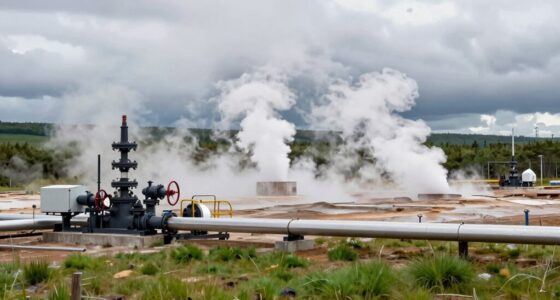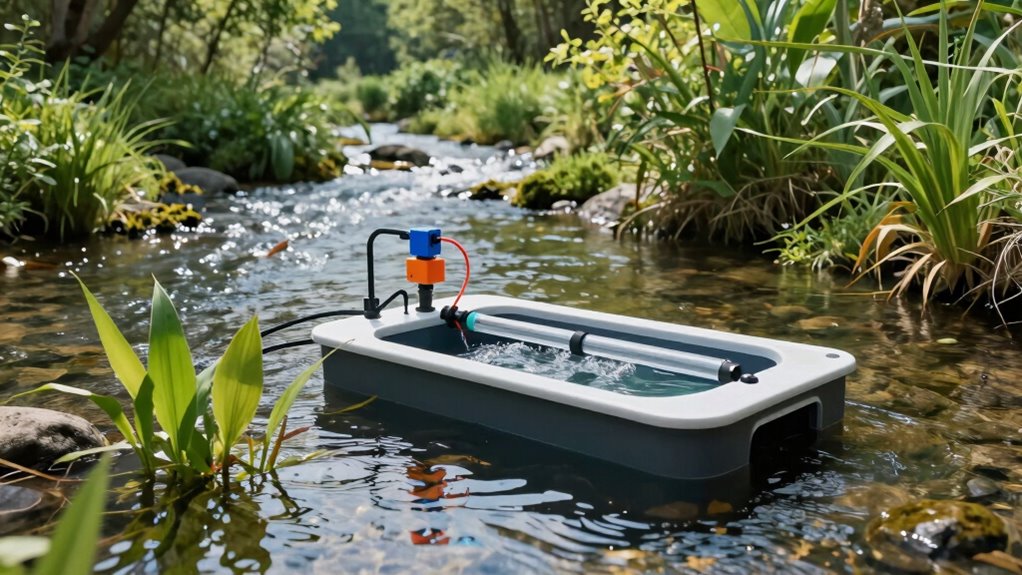

When choosing between open and closed loop systems, your first focus should be on your water quality. Open systems draw water directly from natural sources, which often contain impurities that can cause corrosion, scaling, and faster wear. Closed systems recycle water but need proper treatment to prevent buildup and damage. Evaluating your water source helps you decide—we’ll guide you through more key factors if you stay with us.

Get backup power and energy gear delivered free — and shop member deals
- Fast, free delivery on millions of items
- Access to Prime Big Deal Days deals on October 6–7
- Prime Video, Amazon Music and more included
Key Takeaways
- Water quality determines whether an open or closed loop system is suitable; poor quality favors closed systems with treatment.
- Open loop systems draw untreated water, increasing corrosion, scaling, and maintenance costs due to impurities.
- Closed loop systems require effective water treatment to prevent mineral buildup and ensure efficiency.
- Proper chemical treatment in closed loops enhances heat transfer and prolongs equipment lifespan.
- A comprehensive water management plan is essential for optimal system performance, regardless of system type.
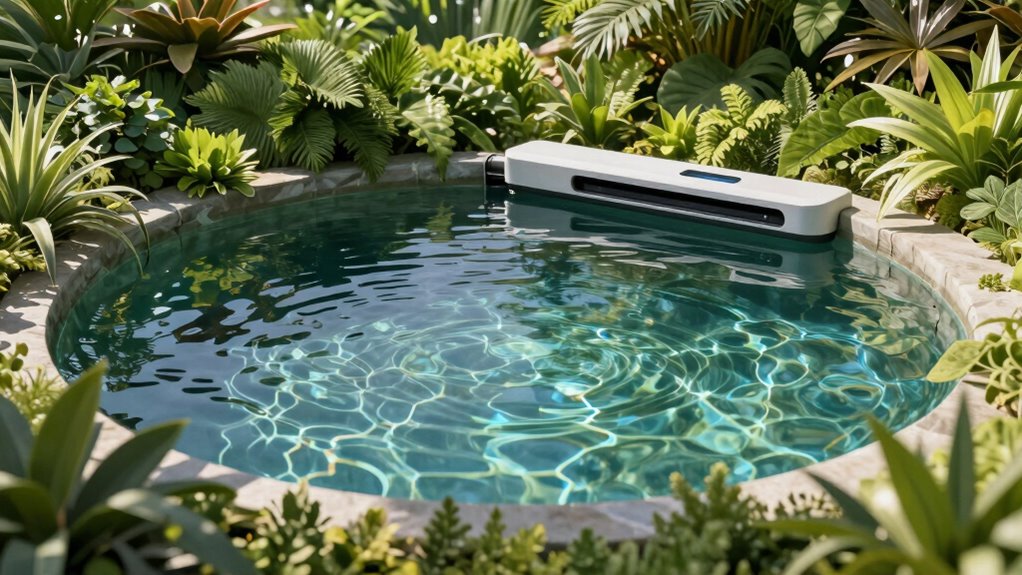
When choosing between open loop and closed loop water systems, the most important factor is water quality. This isn’t just about clarity or cleanliness; it directly impacts how well your system performs and how long it lasts. If the water contains minerals, debris, or contaminants, it can cause corrosion, scaling, and fouling inside your system. That’s why understanding water quality is essential before making a decision. An open loop system, which draws water directly from a natural source like a well or pond, often introduces impurities that can accelerate wear and reduce efficiency. Conversely, a closed loop system recycles the same water through a sealed circuit, but if the water isn’t properly treated, impurities can build up over time, impairing system performance.
Chemical treatment plays a critical role in managing water quality, especially in closed loop systems. Regular dosing of corrosion inhibitors, biocides, and anti-scaling agents helps maintain ideal water conditions. When your water is properly treated, the system’s efficiency improves because there’s less scaling and corrosion to hinder heat transfer or fluid flow. Without adequate chemical treatment, mineral deposits can accumulate on heat exchangers and pipes, diminishing heat transfer efficiency and increasing energy consumption. This not only leads to higher operational costs but also shortens the lifespan of your equipment. Ensuring proper water treatment methods is vital for maintaining system health and efficiency.
For open loop systems, chemical treatment is often less practical because the water source can vary in quality and composition. In such cases, filtration and water softening become necessary to reduce impurities before they enter the system. You need to be vigilant about water source quality since untreated water can cause rapid scaling, corrosion, and biological growth inside your system, all of which lower efficiency and increase maintenance costs. Additionally, water quality directly influences the overall success of your system’s operation and longevity. Developing a comprehensive approach to water management can help prevent costly repairs and ensure consistent performance.
water treatment chemical kits for closed loop systems
As an affiliate, we earn on qualifying purchases.
As an affiliate, we earn on qualifying purchases.
Frequently Asked Questions
How Do Open and Closed Loops Differ in Water Systems?
Open and closed loops differ mainly in water circulation and system efficiency. In an open loop, water circulates once and then drains or gets replaced, which can lead to water quality issues. Conversely, a closed loop recycles water continuously, maintaining water quality and improving system efficiency. You benefit from reduced water usage and better control over water quality, making closed loops generally more sustainable and effective for consistent water system performance.
What Are the Main Advantages of Open Loop Systems?
You might love open loop systems for their simplicity, but beware—they actually waste water and hurt water quality. Still, they excel at water conservation and cost efficiency, making them tempting for quick fixes. You save on initial costs and enjoy easy maintenance, but long-term, you might pay more with higher water bills and potential contamination. Sometimes, the most straightforward choice isn’t the smartest, especially for sustainable water management.
Which System Is More Environmentally Sustainable?
You’ll find closed loop systems more environmentally sustainable because they promote water conservation by recycling water internally, reducing wastage. Plus, they’re energy efficient since they don’t rely on continuous water intake and discharge, lowering energy use. By choosing a closed loop system, you help protect water resources and save energy, making it a smarter, eco-friendly option for sustainable water management.
How Does Water Quality Impact System Choice?
Water quality directly impacts your system choice because water contamination can reduce system efficiency and cause damage. If the water has high contamination levels, a closed-loop system is better since it recycles water, minimizing contamination risks. Conversely, open-loop systems are more vulnerable to water quality issues, which can lead to frequent maintenance. Prioritizing water quality guarantees you select a system that lasts longer, operates smoothly, and maintains efficiency.
What Maintenance Is Required for Each System Type?
You need to regularly inspect and clean filters in both systems to prevent buildup and guarantee water quality. For corrosion prevention, check for signs of rust or mineral deposits, especially in open loop systems exposed to outdoor elements. In closed loop systems, monitor for leaks or corrosion in piping. Consistent filter maintenance and corrosion prevention measures keep your system running efficiently and extend its lifespan.
water softening systems for open loop water sources
As an affiliate, we earn on qualifying purchases.
As an affiliate, we earn on qualifying purchases.
Conclusion
Ultimately, choosing between open and closed loop systems depends on prioritizing water quality. Closed loops often provide better water purity, reducing contamination risks. Notably, studies show that closed loop systems can improve water quality by up to 50% compared to open loops. So, when it comes to safeguarding your water, remember that making an informed choice isn’t just about efficiency—it’s about ensuring the health and safety of everyone relying on that water every day.
industrial corrosion inhibitors for water systems
As an affiliate, we earn on qualifying purchases.
As an affiliate, we earn on qualifying purchases.
anti-scaling agents for closed loop systems
As an affiliate, we earn on qualifying purchases.
As an affiliate, we earn on qualifying purchases.
Halloween Picks
halloween
As an affiliate, we earn on qualifying purchases.