Basements and bedrooms often need better fresh-air planning because their enclosed, below-ground or window-limited designs restrict natural airflow, trapping indoor pollutants like dust, mold spores, and VOCs. Without proper ventilation, humidity can build up, increasing mold risks and decreasing air quality. Poor airflow also affects your health, sleep, and comfort. By improving ventilation, you can create a healthier, more inviting space. If you want to know how to enhance your home’s air quality, keep exploring these solutions.

Get backup power and energy gear delivered free with Prime
- Fast, free delivery on millions of items
- Prime Video, Amazon Music and more included
- Member-only deals all year
Key Takeaways
- Basements often lack natural ventilation, trapping pollutants and moisture, which can degrade indoor air quality.
- Bedrooms may have limited or infrequent window opening, reducing fresh air exchange.
- Enclosed spaces increase humidity, promoting mold growth and structural damage without proper airflow.
- Mechanical ventilation systems help introduce fresh air and exhaust stale air effectively.
- Proper airflow planning enhances health, comfort, and reduces indoor pollutants in these areas.
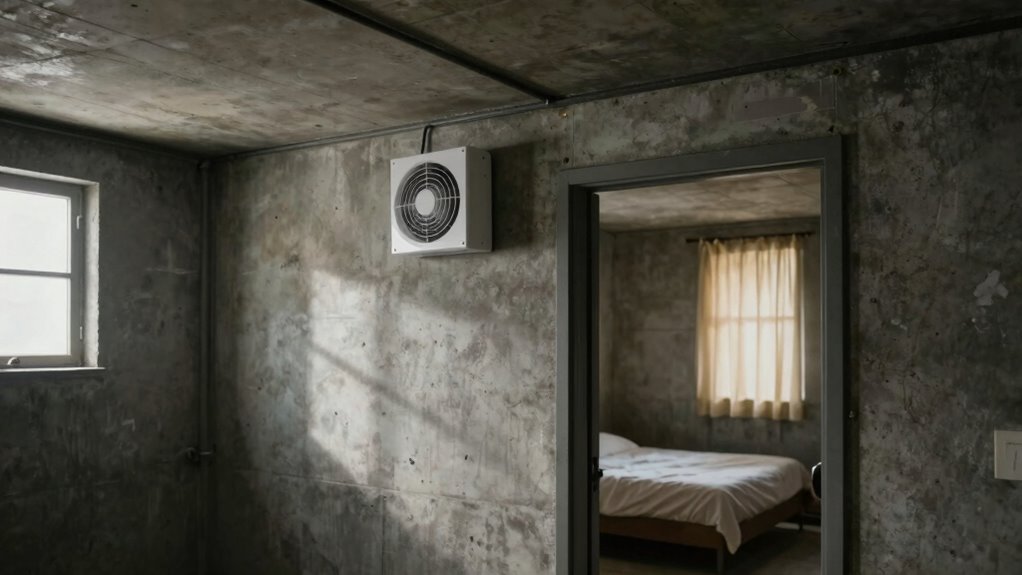
Basements and bedrooms often have limited airflow because of their design and placement within your home. Basements, in particular, are usually below ground level, which restricts natural ventilation options like open windows or vents. Bedrooms, on the other hand, are typically enclosed spaces meant for rest, and they might lack windows or have windows that don’t open frequently. As a result, indoor air quality can quickly decline if these spaces aren’t properly ventilated. It’s tempting to focus on heating and cooling these areas, but airflow is just as *essential*. Without fresh air, you risk trapping indoor pollutants such as dust, pet dander, mold spores, and volatile organic compounds (VOCs). These pollutants can linger and cause health problems, especially for sensitive individuals.
Investing in effective ventilation systems can *dramatically* improve the air quality in your basement and bedroom. Mechanical ventilation, including exhaust fans, air exchangers, or whole-house systems, actively bring in fresh air while exhausting stale air. These systems are especially beneficial in spaces with limited natural airflow. Additionally, installing exhaust fans in bathrooms or basements helps remove excess humidity, reducing the risk of mold growth. You should also consider using air purifiers equipped with HEPA filters to capture airborne particles and improve indoor air cleanliness. Regular maintenance of these systems is *crucial* to keep them functioning efficiently. Furthermore, understanding your space’s air exchange rate can guide you in optimizing ventilation effectiveness. A well-designed ventilation plan considers both airflow volume and airflow patterns, ensuring all areas receive adequate fresh air. Incorporating proper ventilation design can help prevent the buildup of pollutants and moisture, creating a healthier environment. Recognizing the importance of indoor air quality can motivate homeowners to prioritize ventilation upgrades.
In the end, better fresh-air planning isn’t just about comfort—it’s about your health. Improving ventilation in your basement and bedrooms ensures a healthier indoor environment, reducing exposure to harmful pollutants and preventing moisture issues. When you prioritize proper airflow, you create a space that feels fresher, cleaner, and more inviting, helping you sleep better and breathe easier. Don’t overlook these often-neglected areas; a little investment in ventilation can make a *notable* difference in your home’s overall indoor air quality.
As an affiliate, we earn on qualifying purchases.
Frequently Asked Questions
How Can I Improve Ventilation Without Losing Too Much Heat?
You can improve ventilation without losing too much heat by incorporating natural ventilation strategies like operable windows, vents, or air bricks that allow fresh air to flow in while sealing leaks to prevent heat loss. Use energy-efficient exhaust fans or heat recovery ventilation systems that exchange indoor and outdoor air, maintaining energy efficiency. This way, you get better airflow and fresh air, without sacrificing warmth or increasing energy bills.
Are Air Purifiers Effective in Improving Indoor Air Quality?
Air purifiers can be effective if you maintain them properly. Regular air purifier maintenance guarantees the filters stay efficient, which is key for good indoor air quality. When filters are clean and replaced on time, they effectively trap airborne particles, allergens, and pollutants. This improves air quality, especially in basements and bedrooms. So, investing in a quality purifier and keeping up with filter efficiency can make a noticeable difference.
What Are the Best Windows for Fresh Air in Bedrooms and Basements?
The best windows for fresh air in bedrooms and basements are those with ideal placement for natural ventilation. Look for windows that can be opened wide and positioned to promote cross-ventilation through strategic placement—perhaps on opposite walls. Ventilation strategies like window fans or exhaust vents enhance airflow, preventing stale air buildup. Mastering window placement and ventilation ensures your space stays fresh, healthy, and inviting—an essential secret for comfort and well-being.
How Often Should I Check or Replace My Ventilation System Filters?
You should check your ventilation system filters every 1 to 3 months, depending on usage and environment. Regular filter maintenance guarantees proper airflow and indoor air quality. Follow your ventilation schedule closely, replacing filters when they appear dirty or clogged. This proactive approach helps prevent poor air quality, keeps your system running efficiently, and reduces the risk of mold and allergens building up in your basement or bedroom.
Can Indoor Plants Help Improve Air Quality in These Spaces?
Did you know indoor plants can remove up to 87% of airborne toxins in 24 hours? Indoor plant benefits include improving air quality, especially in basements and bedrooms. Proper plant placement is key—place them near windows or in corners to maximize air circulation. These natural air purifiers boost oxygen levels and create a healthier, more invigorating environment, making your space more comfortable and inviting.
As an affiliate, we earn on qualifying purchases.
Conclusion
Think of your basement and bedroom like a pair of lungs—they need fresh air to keep you healthy and energized. Imagine trying to breathe with a stuffy nose; it’s uncomfortable and limits your well-being. Proper fresh-air planning is like opening a window to let in a breeze, clearing out stale air and inviting in new life. When you prioritize good airflow, you create a space where you can breathe easy and feel truly refreshed every day.
mechanical ventilation system for home
As an affiliate, we earn on qualifying purchases.
As an affiliate, we earn on qualifying purchases.
exhaust fan for bathroom and basement
As an affiliate, we earn on qualifying purchases.
As an affiliate, we earn on qualifying purchases.
Fall Picks
fall essentials
As an affiliate, we earn on qualifying purchases.