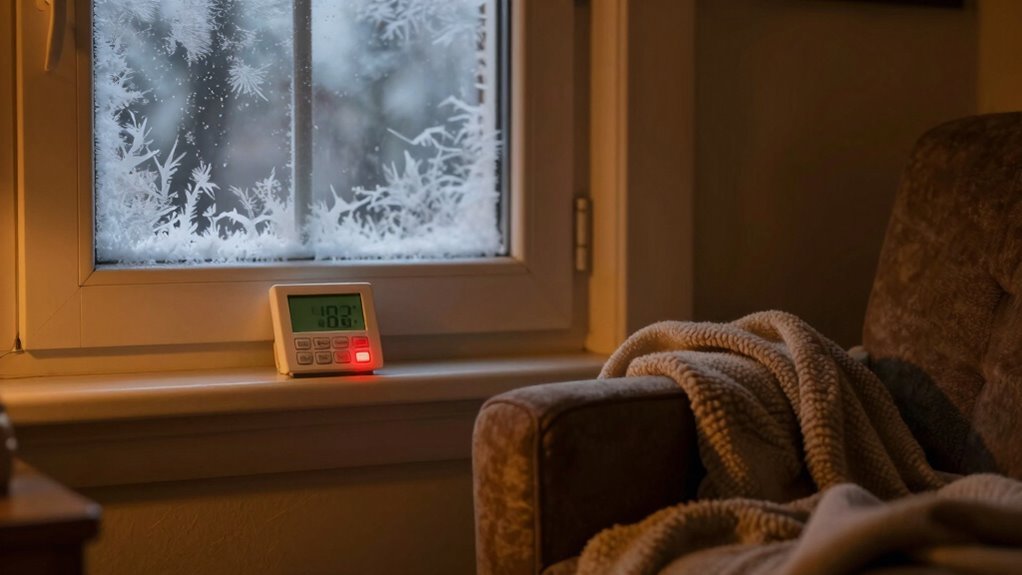
Auxiliary heat silently drains your winter savings by increasing energy use without obvious signs, often kicking in when your primary heater struggles in cold weather. Over-reliance happens if you set your thermostat too high or keep it constant, boosting your bills. Proper insulation, smart thermostat settings, and household management can help cut down on auxiliary heat and save money. Want to discover more ways to keep your energy costs down? Keep exploring—it’s easier than you think.

Get backup power and energy gear delivered free with Prime
- Fast, free delivery on millions of items
- Prime Video, Amazon Music and more included
- Member-only deals all year
Key Takeaways
- Auxiliary heat consumes extra energy without visible signs, increasing winter heating costs silently.
- Over-reliance on auxiliary heat often results from high thermostat settings or poor insulation.
- Improper thermostat management causes unnecessary auxiliary heat activation, draining savings.
- Lack of insulation and maintenance leads to heat loss, prompting auxiliary heat use and higher bills.
- Ignoring the role of smart management and insulation reduces overall efficiency, diminishing winter savings.
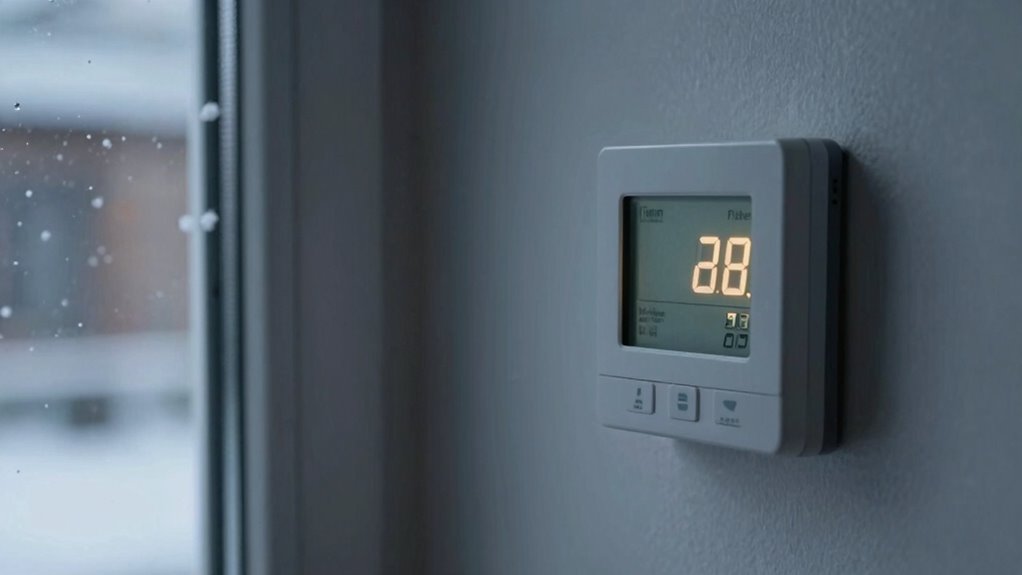
Ever wondered how to keep your home warm efficiently during the coldest months? It all comes down to understanding how your heating system works and, more importantly, how auxiliary heat impacts your energy efficiency and winter savings. Auxiliary heat is often a hidden culprit that drains your wallet without you realizing it. While it can be a lifesaver on extremely cold days, relying on it too much can markedly increase your energy bills. That’s why your thermostat settings are vital; they play a pivotal role in minimizing the need for auxiliary heat.
Understanding your heating system and managing auxiliary heat saves energy and reduces winter bills.
When you set your thermostat too high or leave it at a constant high temperature, your system works harder than necessary. This not only consumes more energy but also triggers the auxiliary heat more frequently. Auxiliary heat kicks in when your primary heating system struggles to maintain the set temperature, especially during very cold weather. It’s like an extra boost—helpful but costly if overused. To maximize your energy efficiency, you should aim for a balanced thermostat setting that keeps your home comfortable without pushing your system to its limits. Lowering your thermostat by just a degree or two can make a noticeable difference over time, reducing the frequency of auxiliary heat activation.
Using programmable thermostats can help you optimize your settings based on your schedule. When you’re away or asleep, lowering the temperature slightly reduces the workload on your heating system, preventing unnecessary auxiliary heat. Conversely, setting your thermostat to warm up just before you return home ensures comfort without excessive energy use. It’s about finding that sweet spot where your home stays cozy without causing your system to rely heavily on auxiliary heat. This approach not only saves money but also extends the lifespan of your heating equipment. Additionally, understanding your whole-home water systems and how they interact with your home’s insulation can contribute to overall energy savings during winter months. Properly managing your home insulation can significantly reduce drafts and heat loss, lessening the need for auxiliary heat altogether. Incorporating energy-efficient heating practices can further enhance your winter savings and reduce auxiliary heat usage.
A well-maintained heating system can also reduce the reliance on auxiliary heat, as regular maintenance ensures your primary system functions efficiently. Recognizing the importance of proper insulation can be a game-changer in reducing heat loss and auxiliary heat reliance. Remember, the key to winter savings isn’t just about cranking up the heat; it’s about smartly managing your thermostat settings and ensuring your home is well-insulated. By doing so, you keep auxiliary heat in check, avoid unnecessary energy expenses, and stay comfortably warm all winter long.
Products Worth Considering

Samsung 42-Inch Class OLED S90F 4K Smart TV (2025)

LG C2 Series 65-Inch OLED evo 4K Smart TV (OLED65C2PUA, 2022)

Levoit Core 600S-P Smart Air Purifier for Large Rooms
As an affiliate, we earn on qualifying purchases.
Frequently Asked Questions
How Can I Identify if My Auxiliary Heat Is Running Unnecessarily?
You can tell if your auxiliary heat runs unnecessarily by checking your thermostat’s settings and behavior. If you notice it activates when the temperature is already comfortable, your thermostat may need calibration. Also, evaluate your home’s insulation; poor insulation causes heat loss, prompting auxiliary heat to kick in. Regularly inspecting and adjusting these factors helps prevent unnecessary auxiliary heat use, saving you money and improving efficiency.
Does Auxiliary Heat Affect My Electricity Bills Directly?
Imagine running your oven all day; that’s how auxiliary heat can impact your electricity bills directly. It uses more energy, decreasing your energy efficiency and increasing costs. If your auxiliary heat runs unnecessarily, it’s like throwing money out the window each month. This hidden cost impact silently drains your budget, making it essential to monitor and optimize your system to save on energy bills and improve overall efficiency.
Can Improper Thermostat Settings Cause Excessive Auxiliary Heat Use?
Yes, improper thermostat settings can cause excessive auxiliary heat use. If your thermostat isn’t properly calibrated, it may turn on auxiliary heat more often than needed, wasting energy. To prevent this, make sure your thermostat is accurately calibrated and consider energy-efficient upgrades like programmable thermostats. These can help maintain ideal temperatures, reduce unnecessary auxiliary heat, and save you money on your winter energy bills.
Are There Specific HVAC Systems More Prone to Auxiliary Heat Inefficiencies?
You’re often fighting an uphill battle with certain HVAC systems, especially older or less compatible ones, when it comes to auxiliary heat efficiency. These systems frequently lack modern HVAC compatibility features that optimize auxiliary heat use, making inefficiencies more likely. Upgrading to a system with better system compatibility can save you money and reduce energy waste, ensuring auxiliary heat only kicks in when absolutely necessary, rather than running wild in the background.
What Maintenance Tips Can Reduce Auxiliary Heat Reliance During Winter?
To reduce auxiliary heat reliance during winter, you should prioritize energy-efficient upgrades like programmable thermostats and high-efficiency filters. Insulation improvements, such as sealing leaks and adding attic insulation, keep heat inside your home and lessen the load on your HVAC system. Regularly schedule maintenance to guarantee your system runs smoothly, and consider upgrading your system if it’s outdated. These steps help your system work smarter, reducing auxiliary heat use and saving you money.
Conclusion
As winter winds howl and your thermostat climbs, auxiliary heat quietly sneaks in like a shadow, draining your savings with each flicker of warmth. It’s the silent thief lurking behind cozy comfort, turning your energy into an unseen leak. Stay alert, keep your system in check, and don’t let this hidden foe rob you of your winter bounty. With awareness and care, you can outsmart the cold and keep your savings safe from its sneaky, silent grip.