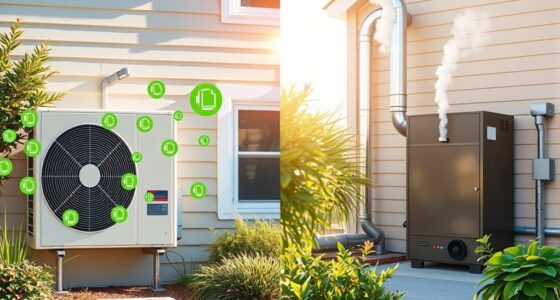
If you’re choosing between a heat pump and a gas furnace, consider initial costs and long-term savings. Heat pumps usually cost more upfront but offer lower energy bills and dual heating and cooling. Gas furnaces are less expensive initially but can lead to higher operating expenses and maintenance needs. Efficiency varies with climate, making each option better suited to different conditions. For more insights on costs and efficiency, explore the details ahead.

Get backup power and energy gear delivered free — and shop member deals
- Fast, free delivery on millions of items
- Access to Prime Big Deal Days deals on October 6–7
- Prime Video, Amazon Music and more included
Key Takeaways
- Heat pumps have higher initial installation costs but offer lower energy bills over time, especially in moderate climates.
- Gas furnaces are cheaper to install upfront but can incur higher operational costs due to fuel expenses.
- Heat pumps generally require less maintenance and are safer, with fewer safety concerns related to emissions.
- Gas furnaces need regular servicing, with safety risks like carbon monoxide leaks if neglected.
- Heat pumps provide both heating and cooling, making them more versatile and efficient in suitable climates.
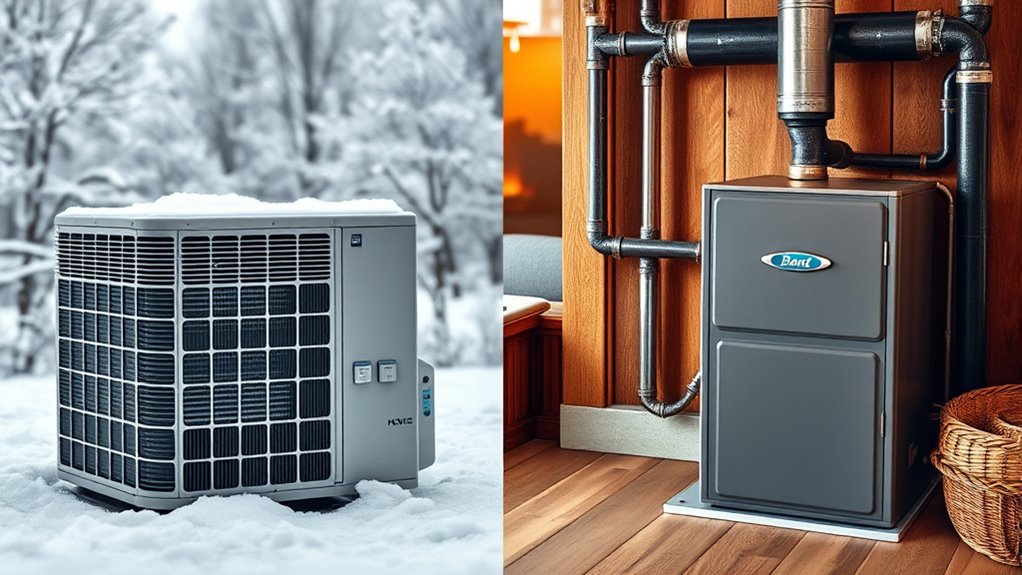
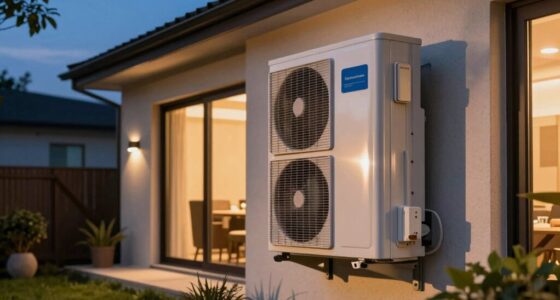
When choosing a heating system for your home, understanding the differences between heat pumps and gas furnaces is essential. One of the first aspects to weigh is the installation costs. Heat pumps typically have higher upfront expenses because they require more complex equipment and sometimes additional modifications to your existing ductwork or electrical system. However, these costs can be offset over time by lower energy bills, especially in moderate climates. Gas furnaces usually come with lower initial installation costs, making them an appealing option if you’re on a tight budget. They’re simpler to install and often do not require extensive electrical upgrades. That said, installation costs for gas furnaces can increase if your home needs ductwork modifications or if your existing system needs replacing. So, while the upfront investment for a gas furnace might be lower, it’s important to think about the long-term savings and efficiency. Additionally, the efficiency of heat pumps can be influenced by the climate, which is an important consideration when selecting a system. Maintenance requirements also differ markedly. Gas furnaces generally need regular servicing to keep them operating efficiently and safely. Annual inspections, filter replacements, and occasional repairs are common maintenance tasks with gas systems. If neglected, they can pose safety risks, such as carbon monoxide leaks, which makes routine maintenance critical. Heat pumps, on the other hand, tend to require less maintenance because they have fewer moving parts and don’t burn fuel. Regularly changing filters and ensuring the outdoor unit is free of debris are usually enough to keep a heat pump running efficiently. Since heat pumps operate using electricity, they also tend to have fewer safety concerns related to emissions or leaks, often making maintenance simpler and less costly over time. Another factor to weigh is how often you’ll need to perform maintenance. Gas furnaces might require more frequent checks, especially in colder regions where they run more often. Heat pumps, being more efficient in milder climates, generally need less frequent servicing. Plus, heat pumps have the added benefit of providing both heating and cooling, reducing the need for separate systems and their associated maintenance. Ultimately, your choice depends on your climate, budget, and how much effort you’re willing to put into upkeep. If you prefer a system with lower initial costs and are okay with regular maintenance, a gas furnace could be suitable. Conversely, if you’re looking for a more energy-efficient option with simpler maintenance, a heat pump might be the better choice.
Frequently Asked Questions
How Do Installation Costs Compare Between Heat Pumps and Gas Furnaces?
You’ll find that installation costs for heat pumps are generally higher than for gas furnaces due to their complex setup and need for electrical upgrades. This means your upfront investment in a heat pump can be more substantial initially. However, gas furnace installation might be cheaper upfront, but consider long-term savings. Weigh these costs carefully to decide which option aligns best with your budget and comfort needs.
Which System Has Lower Long-Term Maintenance Expenses?
You’ll find heat pumps have lower long-term maintenance expenses compared to gas furnaces. While gas furnaces often require more frequent repairs due to their complex components, heat pumps are simpler and more reliable, leading to fewer repair needs over time. The lower repair frequency means less money spent on upkeep, giving you peace of mind and saving you money in the long run, especially with regular maintenance.
Are Heat Pumps Effective in Extremely Cold Climates?
Heat pumps can be effective in extremely cold climates if they have advanced cold climate adaptation features. Modern heat pump performance has improved markedly, allowing them to operate efficiently even when temperatures drop well below freezing. Look for models specifically designed for cold weather, as they incorporate technologies that enhance performance and reliability. While they may work well, always consider your local climate and consult a professional to guarantee ideal heating solutions.
Can Gas Furnaces Be Integrated With Renewable Energy Sources?
Yes, gas furnaces can be integrated with renewable energy sources. You can connect them with renewable integration systems like solar panels or wind turbines, which provide supplementary power. Incorporating energy storage allows you to store excess renewable energy for later use, improving efficiency and reducing reliance on the grid. This setup helps you maximize renewable energy benefits while maintaining reliable heating during periods when renewable sources aren’t producing energy.
What Are the Environmental Impacts of Each Heating System?
You might think gas furnaces are a greener choice, but they actually boost pollution levels and your carbon footprint. Heat pumps, on the other hand, run on electricity, which can be cleaner if sourced responsibly. While gas systems emit greenhouse gases directly, heat pumps reduce overall environmental impact. So, the irony is that switching to a heat pump could make your home more eco-friendly, despite traditional beliefs.
Conclusion
When choosing between heat pumps and gas furnaces, consider that heat pumps can cut your energy bills by up to 50%, making them a cost-effective, eco-friendly option in mild climates. While gas furnaces may be more powerful in extreme cold, heat pumps offer higher efficiency overall. Ultimately, your choice depends on your climate and budget, but knowing that heat pumps provide significant savings and sustainability can help you make a smarter decision for your home.
Halloween Picks
halloween
As an affiliate, we earn on qualifying purchases.