
Keeping your thermostat too low during sleep forces your body to work harder to stay warm, which can slow down your recovery and make waking up harder. This habit triggers stress hormones like cortisol and keeps your body temperature too low for ideal restoration. As a result, your energy and mental clarity in the morning suffer. If you want to improve your recovery, understanding the right thermostat habits can make a big difference—you’ll find out more soon.

Get backup power and energy gear delivered free with Prime
- Fast, free delivery on millions of items
- Prime Video, Amazon Music and more included
- Member-only deals all year
Key Takeaways
- Setting the thermostat too low during sleep forces the body to work harder to generate heat, delaying morning alertness.
- Excessive cooling disrupts sleep cycles, especially REM, impairing physical and mental recovery by morning.
- Overcooling triggers stress hormones like cortisol, which can prolong grogginess and slow recovery processes.
- Maintaining an overly cold environment increases energy expenditure for temperature regulation, reducing resources for tissue repair.
- Constantly adjusting the thermostat to very low temperatures can hinder natural body temperature rises needed for waking.
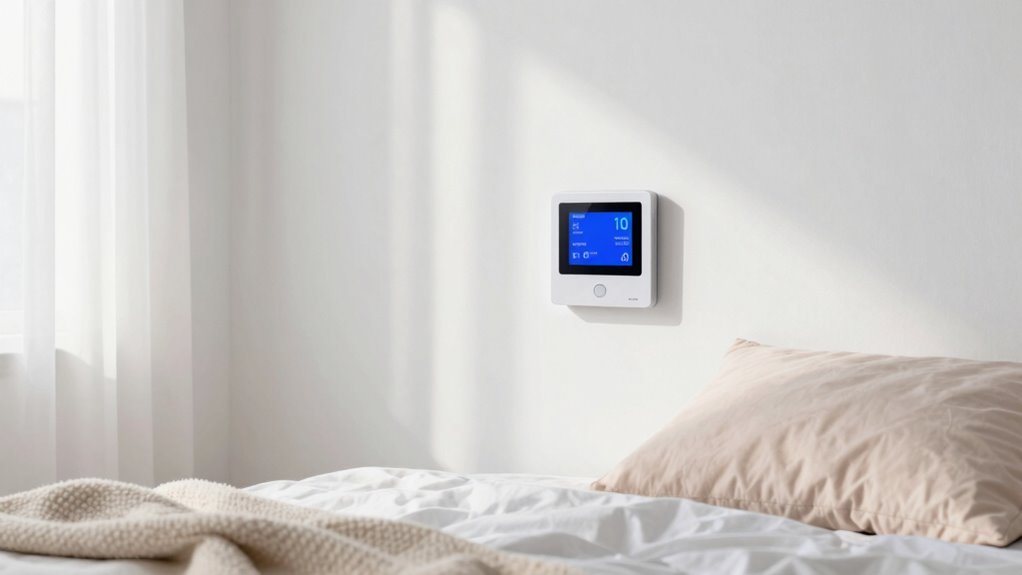
If you tend to lower your thermostat at night, you might unknowingly be slowing your body’s morning recovery process. Your sleep environment plays a crucial role in how efficiently you wake up feeling refreshed and restored. When the bedroom gets too cold, your body has to work harder to maintain its core temperature, which can interfere with your sleep quality and subsequent recovery in the morning. A cooler environment is often recommended for sleep, but there’s a fine line between optimal and too cold. If your nighttime thermostat setting causes your body temperature to drop excessively, your sleep cycles may become disrupted, especially during REM sleep, which is vital for mental and physical restoration.
This disruption can also impact metabolic regulation, which is essential for waking up energized and balanced. When your sleep environment is too cold, your body enters a state of stress, releasing hormones like cortisol that can interfere with metabolism. A well-regulated sleep environment maintains a balanced internal temperature, supporting the natural processes your body relies on for recovery. If your thermostat is set too low, your body expends additional energy trying to generate heat, diverting resources away from processes that help repair tissues, consolidate memories, and restore energy levels. Over time, this can lead to sluggish mornings, lingering fatigue, and slower recovery from daily stresses.
Moreover, a consistently cold sleep environment can cause your body to struggle with metabolic regulation making it harder to wake up feeling alert and energized. Your body’s temperature naturally drops during sleep, signaling that it’s time to rest, but if it drops too much, your body may remain in a state of low alertness well into the morning. This can prolong the transition from sleep to wakefulness and hinder the activation of your metabolic processes that promote energy production. Maintaining a proper sleep environment that supports gentle cooling without overwhelming your body’s natural temperature regulation can help optimize your morning recovery. Additionally, understanding sleep cycle dynamics and their influence on internal temperature regulation can help you better tailor your sleep environment for optimal recovery, including factors like indoor air quality that influence overall sleep quality.
As an affiliate, we earn on qualifying purchases.
Frequently Asked Questions
Does Thermostat Use Affect Sleep Quality During the Night?
Yes, your thermostat use can affect sleep quality during the night. Maintaining a best sleep temperature, around 60-67°F, promotes better rest. If your thermostat isn’t properly calibrated, it might cause fluctuations in sleep temperature, disrupting your sleep cycle. Consistently adjusting your thermostat to keep the room cool and comfortable helps improve sleep quality, ensuring you wake up refreshed and ready for the day.
Can Adjusting the Thermostat Improve Overall Morning Alertness?
You can improve your morning alertness by adjusting your thermostat for ideal temperature comfort, which helps you wake up feeling more refreshed. When your bedroom temperature is too cold or too warm, sleep disruption occurs, leaving you groggy. Coincidentally, a slightly cooler room before sleep and a warmer one in the morning promote better sleep quality and faster morning recovery. Small thermostat tweaks can make a big difference in how alert you feel.
What Is the Ideal Bedroom Temperature for Quick Morning Recovery?
You should aim for a bedroom temperature around 65°F (18°C) for quick morning recovery. Temperature fluctuations can disrupt your sleep environment, making it harder to wake up refreshed. Keeping your room consistently cool helps regulate your body temperature and promotes better sleep quality. A stable sleep environment reduces disruptions, so you wake up more alert and ready to start your day.
How Does Thermostat Habit Impact Sleep Cycle Phases?
Did you know that maintaining a consistent sleep temperature helps regulate your circadian rhythm? When you frequently adjust your thermostat, it disrupts your sleep cycle phases, especially REM and deep sleep. A cooler sleep temperature, around 65°F, supports ideal sleep temperature and stabilizes your circadian rhythm. This consistency allows your body to shift seamlessly through sleep stages, promoting quicker morning recovery and better overall rest.
Are There Specific Thermostat Settings Recommended for Better Sleep?
For better sleep, set your smart thermostat between 60-67°F (15.5-19°C). This creates a ideal sleep environment, helping you fall asleep faster and stay asleep longer. Use your smart thermostat to automatically lower the temperature at bedtime and raise it in the morning. Maintaining a cool, consistent sleep environment supports your sleep cycle, enhancing overall sleep quality and morning recovery.
As an affiliate, we earn on qualifying purchases.
Conclusion
So, here’s the irony: you’re probably trying to speed up your mornings by tweaking your thermostat, but that very habit might be making recovery slower. Instead of waking up refreshed, you’re unintentionally sabotaging your sleep quality. Next time you reach for that thermostat, remember—it’s not just about comfort, but about how quickly you bounce back from a rough night. Sometimes, the simplest fix is doing less, not more.
temperature regulating sleep mask
As an affiliate, we earn on qualifying purchases.
As an affiliate, we earn on qualifying purchases.
As an affiliate, we earn on qualifying purchases.
Halloween Picks
halloween
As an affiliate, we earn on qualifying purchases.