Choosing a NEMA 14-50 outlet might seem simple, but it’s more complex than it looks. You need to verify your devices support this connection, check the system’s electrical load, and follow proper safety standards. Proper installation by a qualified electrician is essential to prevent hazards like shorts or fires. Using quality outlets and maintaining them is also critical. Keep exploring to discover key details that can help you make a safe, effective decision for your household.

Get backup power and energy gear delivered free — and shop member deals
- Fast, free delivery on millions of items
- Access to Prime Big Deal Days deals on October 6–7
- Prime Video, Amazon Music and more included
Key Takeaways
- The apparent simplicity of choosing a NEMA 14-50 outlet can overlook compatibility issues with devices.
- Proper load capacity and electrical system assessment are essential to avoid overloads or damage.
- Ensuring compliance with safety standards and professional installation is crucial for safe operation.
- Outlet quality and ongoing maintenance impact safety and performance over time.
- Professional guidance helps navigate compatibility, safety, and proper setup beyond initial appearance.
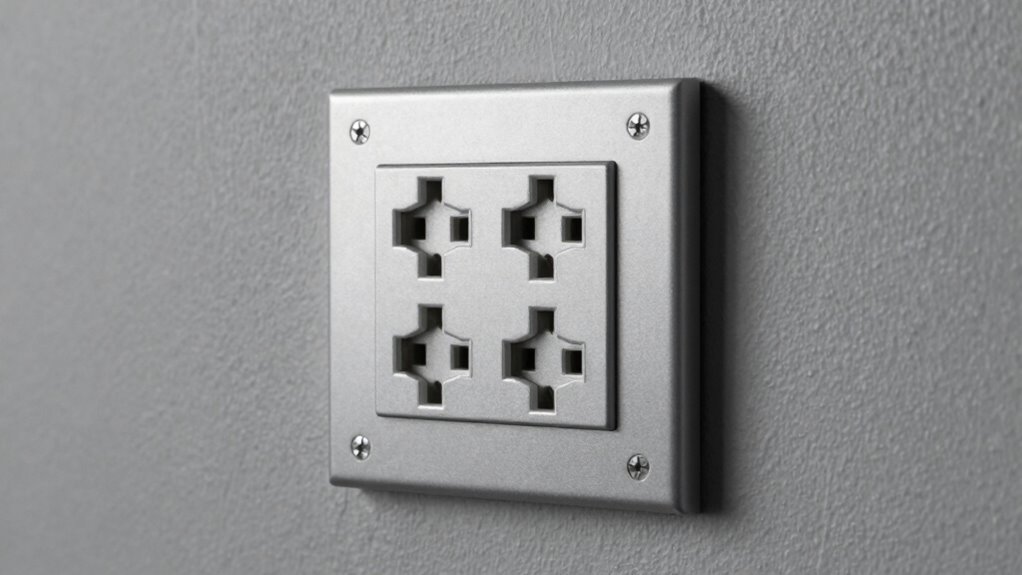
Are you considering whether a NEMA 14-50 outlet is the right choice for your needs? It might seem straightforward at first glance, but there’s more to it than just plugging in your device. The decision hinges on understanding charging compatibility and electrical safety. While a NEMA 14-50 is a popular choice for charging electric vehicles and high-powered appliances, it’s crucial to evaluate whether it aligns with your specific requirements.
Charging compatibility is a key factor. This outlet type is designed to handle higher power loads, making it suitable for EV chargers and other heavy-duty appliances. However, not all chargers or devices are compatible with this outlet. You need to verify your charging station or appliance specifically supports NEMA 14-50 connections. Using incompatible equipment can lead to poor performance or, worse, damage to your device. Sometimes, people assume that because an outlet looks similar to others, it will work seamlessly, but the connectors and voltage ratings matter. Double-check the specifications of your charger and confirm that it’s rated for NEMA 14-50 outlets. Additionally, understanding the electrical load and capacity of your system is vital to ensure safe operation. It’s also wise to consider the distribution of electrical load across your circuits to prevent overloads. Recognizing the power demands of your devices can help you plan your electrical setup more effectively. To further ensure safety, it’s important to consider electrical safety standards and local codes when installing or modifying electrical outlets.
Ensure your device supports NEMA 14-50 to avoid performance issues or damage.
Electrical safety is equally critical. A NEMA 14-50 outlet delivers up to 50 amps of current, which means it requires proper installation and grounding. If the outlet isn’t installed correctly, it can pose risks like electrical shorts, overheating, or fires. You should always have a qualified electrician handle the installation to ensure it meets local electrical codes. Proper wiring, grounding, and circuit protection are non-negotiable for safety. Also, consider the quality of the outlet itself—cheap or damaged outlets can compromise safety, even if installed correctly. Regular inspection and maintenance are essential to prevent accidents and ensure the outlet remains safe over time.
At first glance, choosing a NEMA 14-50 might seem like a simple upgrade, but it’s a decision that involves weighing your charging needs against safety precautions. It’s not just about having a higher power outlet; it’s about making sure your equipment is compatible and that your installation adheres to safety standards. Rushing into installation without proper checks can lead to costly mistakes or dangerous situations. Take the time to research your devices, consult with professionals, and verify that your electrical system can support this outlet. In doing so, you’ll ensure that your setup is both efficient for charging and safe for everyone in your household or workspace.
NEMA 14-50 outlet for electric vehicle charger
As an affiliate, we earn on qualifying purchases.
As an affiliate, we earn on qualifying purchases.
Frequently Asked Questions
Is the NEMA 14-50 Compatible With All Electric Vehicle Chargers?
Yes, the NEMA 14-50 outlet is compatible with most electric vehicle chargers, but you need to check your specific charging station’s compatibility first. You should also review the outlet installation procedures to guarantee safety and proper setup. Not all chargers may support this outlet type, so verify your charger’s specifications before installation. Doing so guarantees safe, efficient charging without issues.
What Are the Safety Concerns With Installing a NEMA 14-50 Outlet?
Installing a NEMA 14-50 outlet raises safety concerns around grounding safety and wiring standards. You need to ensure proper grounding to prevent electrical shocks and meet code requirements. Faulty wiring can cause short circuits or fires, so following wiring standards is essential. Always hire a qualified electrician to handle installation, verify all connections, and guarantee your setup complies with local safety regulations for safe and reliable charging.
Can I Install a NEMA 14-50 Outlet Myself?
You can attempt a DIY install, but think of it as steering through a maze of electrical code compliance and safety challenges. Without proper knowledge, you risk mishandling wiring or misjudging your circuit’s capacity. While the task might seem straightforward, it’s easy to overlook essential details that could compromise safety. For a secure, compliant connection, it’s best to call in a professional electrician who understands the symbolism of proper grounding and circuit integrity.
How Does the NEMA 14-50 Compare to Other Charging Outlets?
Compared to other charging outlets, the NEMA 14-50 offers faster charging capabilities, making it ideal for EV owners. However, you might face installation challenges, like proper wiring and circuit upgrades, which can increase costs. While it’s more expensive upfront, the speed and compatibility with many EV models often justify the investment. Be prepared for potential complexities during installation and weigh these factors against your budget and charging needs.
What Is the Typical Lifespan of a NEMA 14-50 Outlet?
Imagine your NEMA 14-50 outlet standing strong like a sturdy tree in your garage, ready to serve for years. Its lifespan typically ranges from 10 to 20 years, depending on electrical wiring quality and usage. Proper installation costs and routine inspections help guarantee longevity. If you maintain it well, you can count on your outlet to keep charging your EV reliably, just like a dependable friend standing by.
As an affiliate, we earn on qualifying purchases.
Conclusion
Ultimately, choosing the NEMA 14-50 isn’t always straightforward. For instance, imagine installing a new electric oven; if you overlook the importance of proper wiring or compatibility, you could face costly setbacks. It’s tempting to see the decision as simple, but understanding your specific needs and future plans makes all the difference. Always double-check your setup and consult a professional—what seems like a quick fix today could save you from headaches tomorrow.
NEMA 14-50 outlet installation kit
As an affiliate, we earn on qualifying purchases.
As an affiliate, we earn on qualifying purchases.
As an affiliate, we earn on qualifying purchases.
Halloween Picks
halloween
As an affiliate, we earn on qualifying purchases.