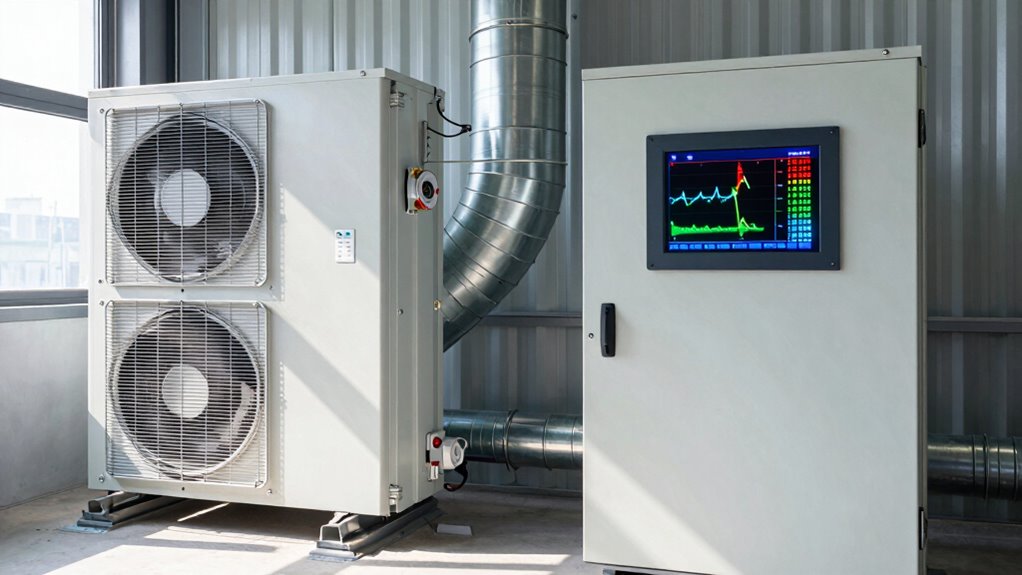

When you add fresh-air ventilation, your HVAC system needs to handle more outside air, which increases the workload. This extra air must be heated or cooled to match indoor conditions, so your system needs to be properly sized to avoid inefficiency. Oversizing wastes energy, while undersizing can’t maintain air quality. Continual adjustments help optimize performance, and if you keep exploring, you’ll understand how to design an effective system that balances comfort and efficiency.

Get backup power and energy gear delivered free with Prime
- Fast, free delivery on millions of items
- Prime Video, Amazon Music and more included
- Member-only deals all year
Key Takeaways
- Fresh-air intake increases the volume of air requiring conditioning, impacting overall HVAC system capacity.
- Additional outdoor air demands more energy to heat or cool to indoor setpoints.
- Proper sizing ensures the system can handle increased airflow without excessive cycling or energy waste.
- Ventilation standards specify airflow rates that directly influence HVAC equipment sizing needs.
- Seasonal variations in outdoor air temperature affect system load and sizing considerations.
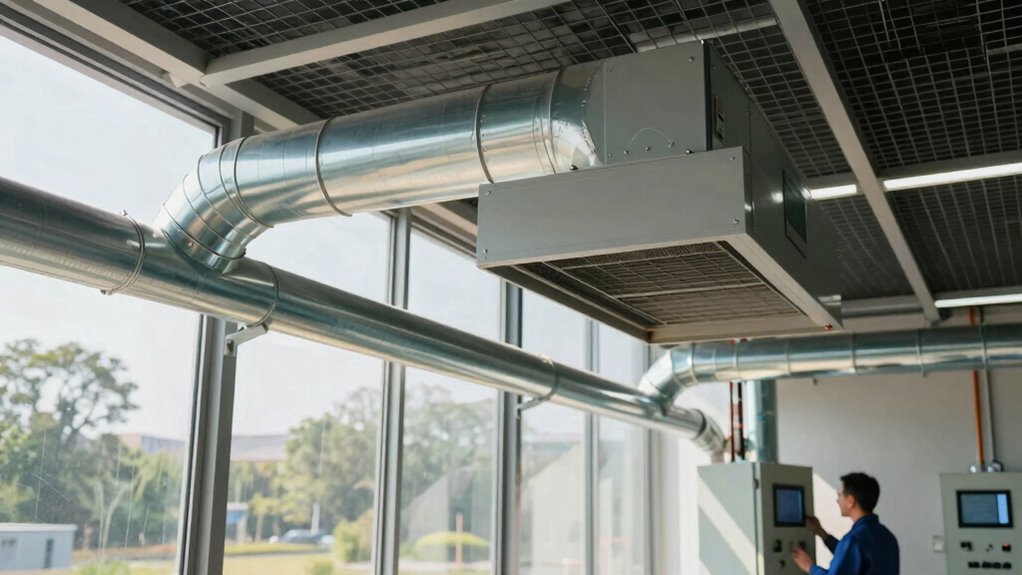
Proper fresh-air ventilation is essential for maintaining indoor air quality and ensuring occupant comfort. When you incorporate effective ventilation systems, you’re actively reducing pollutants, controlling humidity, and creating a healthier environment. But beyond health benefits, fresh-air ventilation also impacts how you size your HVAC system, especially when considering energy efficiency. As you add or upgrade ventilation, you need to understand how increased airflow requirements change the system’s capacity and design.
If you’re relying solely on traditional systems that recirculate indoor air, you might underestimate the size needed for maximum performance. Once you introduce fresh-air intake, the system must work harder to condition outside air—warming or cooling it to match indoor temperatures. This increased load means your HVAC system needs to be sized appropriately to handle the additional volume without sacrificing efficiency. Oversizing leads to unnecessary energy consumption and higher utility bills, while undersizing causes poor air quality and discomfort. Striking the right balance is key, and system sizing must account for the fresh-air flow rates specified by ventilation standards.
The amount of fresh air you bring in directly influences the capacity of your ventilation system. For example, if regulations or your building’s design call for higher ventilation rates, your system must be robust enough to handle the increased volume without losing efficiency. This often means selecting equipment with higher airflow capabilities or integrating energy recovery ventilators (ERVs) to precondition incoming air, which conserves energy. When you size systems correctly, you optimize indoor air quality and ensure that energy isn’t wasted battling unnecessary airflow or temperature swings. Additionally, understanding the importance of accurate airflow measurements can help in designing systems that perform reliably and efficiently.
Furthermore, integrating fresh-air ventilation influences the way your HVAC system operates throughout the year. During colder months, more fresh air requires heating, and during warmer months, cooling. Proper sizing ensures your system can adapt to these seasonal demands without excessive energy use. If you ignore these considerations, your system may cycle frequently or run inefficiently, leading to higher operational costs and reduced comfort. Incorporating ventilation standards and guidelines into your system design can help mitigate these issues and promote healthier indoor environments. Additionally, understanding the impact of color accuracy in ventilation systems can help in designing environments that promote better health and well-being. Recognizing how system efficiency can be affected by ventilation choices is also crucial for sustainable building operation. Moreover, selecting appropriately sized systems can prevent energy waste and support sustainable building practices.
As an affiliate, we earn on qualifying purchases.
Frequently Asked Questions
How Does Climate Influence Fresh-Air Ventilation Requirements?
Climate influences your fresh-air ventilation requirements because different climate zones have varying outdoor air quality, humidity, and temperature levels. In humid or cold zones, you need more efficient ventilation to maintain comfort and air quality, while in milder climates, less ventilation might suffice. Your system’s sizing should consider these factors to optimize ventilation efficiency, ensuring adequate fresh air without overburdening your HVAC system.
What Are the Energy Costs Associated With Increased Ventilation?
Think of your ventilation system as a river flowing through your home. Increasing ventilation is like opening a dam wider—more water (air) flows, but it also uses more energy. This raises energy consumption and impacts ventilation efficiency. While fresh air improves indoor air quality, you’ll need to balance the benefits with higher energy costs, ensuring your system remains both effective and sustainable without overburdening your energy budget.
Can Existing HVAC Systems Be Retrofitted for Better Ventilation?
Yes, you can retrofit existing HVAC systems to improve ventilation efficiency. You’ll need to upgrade or add components like energy recovery ventilators or dedicated outdoor air systems. Proper system integration guarantees your HVAC maintains balanced airflow while reducing energy costs. An expert assessment helps determine the best modifications, making sure your system efficiently manages fresh air without overtaxing existing equipment, ultimately creating a healthier, more comfortable environment.
How Do Indoor Air Quality Standards Impact System Sizing?
Indoor air quality standards act as the compass guiding your system’s size and capacity. When these standards emphasize proper ventilation, you need a system that actively circulates fresh air, preventing indoor air from becoming stale. Ventilation standards dictate increased airflow rates, prompting you to size your HVAC system larger or more efficiently. By aligning your system with these standards, you guarantee healthier indoor air, comfort, and compliance all in one breath.
What Maintenance Is Required for Fresh-Air Ventilation Systems?
You need to regularly check and replace filters to guarantee clean air and efficient system operation. Sensor calibration is also essential; you should routinely verify sensors to maintain accurate airflow and humidity levels. Additionally, inspect ductwork for obstructions, clean fans, and lubricate moving parts as needed. Proper maintenance keeps your fresh-air ventilation system running smoothly, improves indoor air quality, and extends the system’s lifespan.
As an affiliate, we earn on qualifying purchases.
Conclusion
By understanding how fresh-air ventilation impacts system sizing, you guarantee healthier indoor air and energy efficiency. Did you know that proper ventilation can reduce indoor pollutants by up to 50%? When you size your system correctly, you not only improve air quality but also save money on energy costs. Keep these factors in mind to create a comfortable, safe space that genuinely breathes easy—your home’s health depends on it.
fresh air intake ventilation system
As an affiliate, we earn on qualifying purchases.
As an affiliate, we earn on qualifying purchases.
airflow measurement tools for HVAC
As an affiliate, we earn on qualifying purchases.
As an affiliate, we earn on qualifying purchases.
Halloween Picks
halloween
As an affiliate, we earn on qualifying purchases.