
To prevent your whole-house fan from losing airflow, regularly inspect and replace the air filters, ensuring they’re clean and fit correctly. Keep the fan blades and housing free of dust and debris, and check for any obstructions or damage. Lubricate the motor as needed and tighten loose screws or brackets. Routine maintenance like this keeps the system running smoothly and efficiently. To find out more tips, keep exploring these essential upkeep steps.
Key Takeaways
- Regularly inspect and replace air filters to prevent airflow restriction and dust buildup.
- Clean fan blades and housing to remove dust, debris, and obstructions.
- Lubricate motor bearings as per manufacturer instructions to ensure smooth operation.
- Tighten loose screws and brackets to maintain structural integrity and prevent vibrations.
- Check for and repair any damage or wear on fan components to sustain optimal airflow.
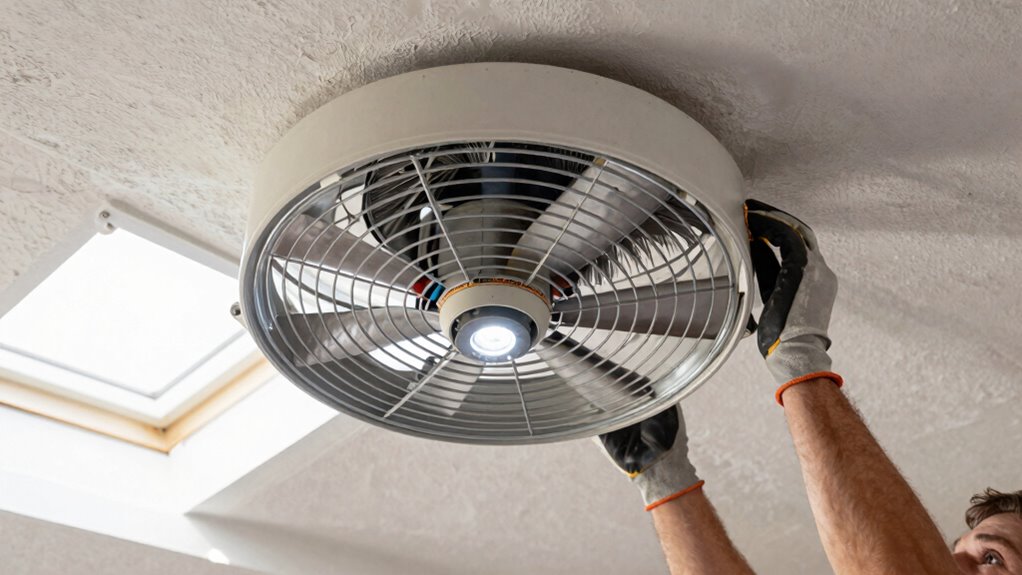
Regular maintenance is vital to guarantee your whole-house fan operates efficiently and lasts for years. Over time, dust and debris can accumulate, reducing airflow and making your fan work harder than it needs to. To prevent airflow loss and keep your system running smoothly, you should regularly check and perform key maintenance tasks. Two of the most important are air filter replacement and motor lubrication.
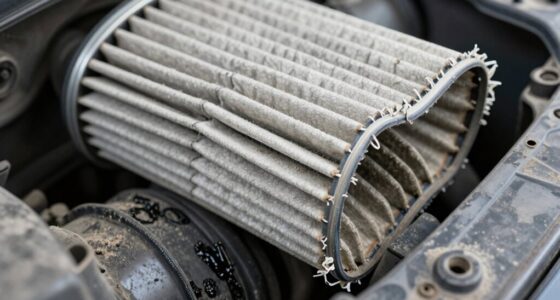
Start by inspecting the air filter. A clogged or dirty filter restricts airflow, forcing your fan to strain and decreasing its effectiveness. You should replace or clean the filter at least once every few months, depending on the level of dust in your home. When replacing the filter, verify you get the right size and type specified by the manufacturer. Regularly swapping out dirty filters not only improves airflow but also prevents dust from circulating through your system, which can cause other issues down the line.
Next, focus on the motor. The motor is the heart of your whole-house fan, and keeping it well-lubricated ensures smooth operation and reduces wear. Motor lubrication is a simple but vital step that you shouldn’t overlook. Check the manufacturer’s guidelines for the recommended type of lubricant and frequency of application. Usually, a small amount of high-quality oil applied to the motor’s bearings will keep the parts moving quietly and efficiently. If you notice any squeaking or excessive heat coming from the motor, it’s a sign you need to apply lubricant or seek professional help. Additionally, understanding the airflow process can help you identify potential issues early on and maintain optimal performance.
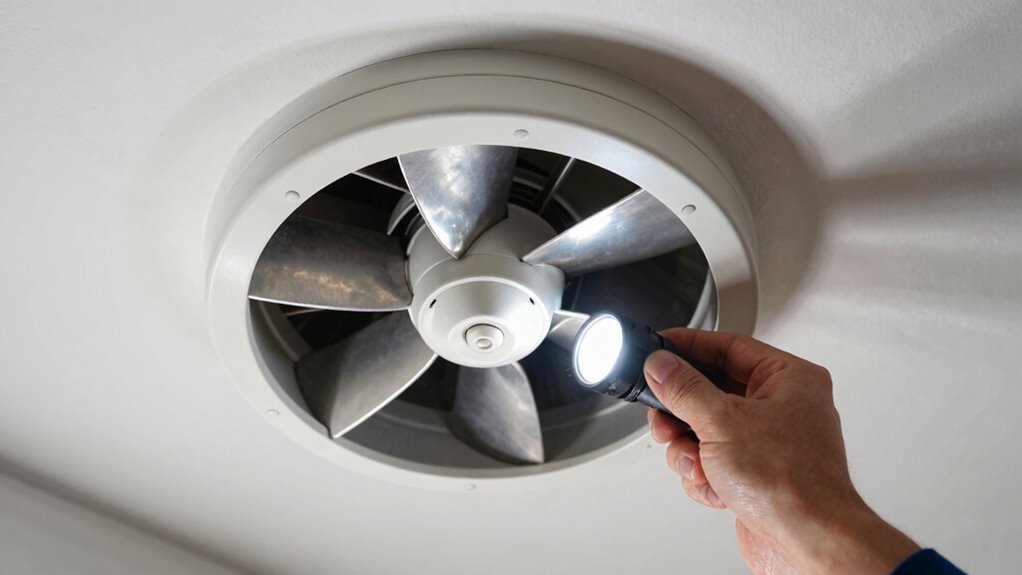
While you’re at it, take a moment to visually inspect the fan blades and housing. Clean off any dust or debris that may have settled on the blades, as this can also impede airflow. Verify that nothing is blocking the vents or the fan’s path, as obstructions can drastically reduce efficiency. Tighten any loose screws or mounting brackets to prevent vibrations and noise during operation.
Performing these routine checks and maintenance tasks will help your whole-house fan maintain ideal airflow, saving you energy and prolonging its lifespan. Keeping the air filter fresh and the motor well-lubricated are simple steps that deliver significant benefits. By staying proactive about maintenance, you avoid costly repairs and ensure your home stays cool and well-ventilated, especially during the hotter months. Remember, a well-maintained fan not only performs better but also helps you create a healthier indoor environment for you and your family.
whole house fan air filter replacement
As an affiliate, we earn on qualifying purchases.
As an affiliate, we earn on qualifying purchases.
Frequently Asked Questions
How Often Should I Perform Maintenance on My Whole-House Fan?
You should perform maintenance on your whole-house fan at least once a year. Regular checks help maintain energy efficiency and noise reduction, ensuring the fan operates smoothly. Clean the blades, inspect for debris, and lubricate moving parts. Doing this annually prevents airflow loss and keeps noise levels down, saving you energy and prolonging your fan’s lifespan. Consistent maintenance makes sure your whole-house fan runs quietly and efficiently all year round.
Can I Clean the Fan Blades Myself Safely?
Absolutely, you can safely clean your fan blades if you follow proper safety precautions. Think of it as giving your fan a spa day—carefully inspecting the fan blades for dust and debris. Turn off the power before starting, wear gloves, and use a damp cloth with mild soap. Regular fan blade inspection keeps your whole-house fan working efficiently and prevents airflow loss, ensuring your home stays comfortable.
What Signs Indicate My Whole-House Fan Needs Repair?
You’ll know your whole-house fan needs repair if you notice excessive fan noise or unusual vibrations during operation. These signs often indicate worn-out or misaligned parts, or debris causing imbalance. If the fan sounds louder than usual or vibrates more than normal, it’s time to examine and possibly replace components. Addressing these issues promptly guarantees your fan functions efficiently, preventing further damage and maintaining good airflow throughout your home.
Are There Specific Tools Required for Maintenance?
Think of your maintenance checklist as a map guiding you through your fan’s health. For this journey, you’ll need a basic tools overview: screwdrivers, a flashlight, and possibly a multimeter. These tools help you inspect and tighten connections, check electrical components, and guarantee everything’s running smoothly. With a few simple instruments, you keep your whole-house fan humming efficiently, preventing airflow loss and extending its lifespan.
How Long Does a Typical Whole-House Fan Maintenance Procedure Take?
A typical whole-house fan maintenance takes about 30 to 60 minutes. During this time, you’ll clean blades, inspect the motor, and check for debris to guarantee peak airflow. Regular maintenance boosts energy efficiency and reduces noise, keeping your fan running smoothly. You’ll want to set aside enough time to thoroughly clean and inspect all parts, preventing airflow loss and keeping your home comfortable without unnecessary noise.
motor lubrication oil for ceiling fans
As an affiliate, we earn on qualifying purchases.
As an affiliate, we earn on qualifying purchases.
Conclusion
Regularly inspecting your whole-house fan is like tuning a musical instrument—keeping every part in harmony guarantees smooth airflow and efficient cooling. By staying vigilant with maintenance checks, you prevent blockages and keep the breeze flowing freely through your home. Think of it as a gentle breeze that refreshes your space, rather than a gust that’s lost its direction. Keep up with these simple steps, and your fan will sing its cooling tune for years to come.
As an affiliate, we earn on qualifying purchases.
As an affiliate, we earn on qualifying purchases.