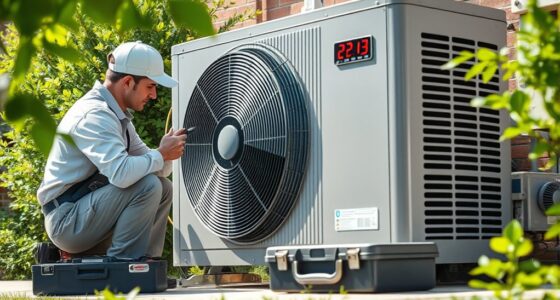
Before installing a whole-house fan in your two-story home, make certain your attic insulation is up to date to keep the cooled air inside. Check your attic and soffit vents to confirm they allow proper airflow, which is essential for the fan’s efficiency. Make sure your electrical wiring is safe and capable of handling the power load, ideally with a dedicated circuit. Proper layout and ventilation are key to maximizing cooling—and there’s more to contemplate for a smooth installation.

Get backup power and energy gear delivered free with Prime
- Fast, free delivery on millions of items
- Prime Video, Amazon Music and more included
- Member-only deals all year
Key Takeaways
- Ensure attic insulation is upgraded to maximize cooling efficiency and prevent heat loss.
- Inspect existing electrical wiring for age, damage, and ensure a dedicated circuit is installed.
- Verify proper attic and soffit ventilation for adequate airflow and effective fan operation.
- Position the fan to optimize airflow between attic vents and living spaces for maximum cooling.
- Consider additional ventilation strategies to enhance overall airflow and energy efficiency.
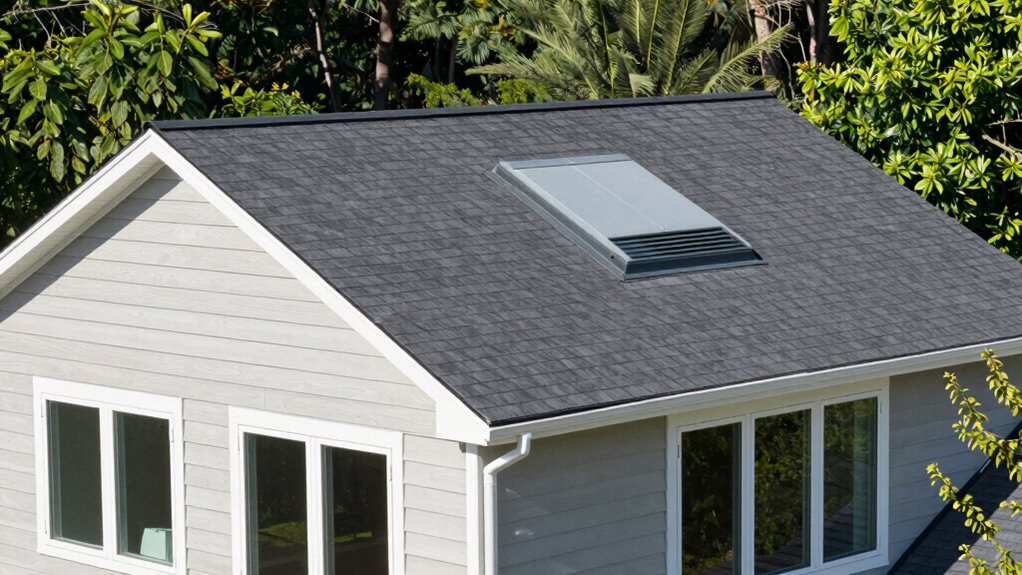
If you’re considering installing a whole-house fan in your two-story home, there are several important factors you need to keep in mind. First, you should assess your attic insulation. Proper insulation is vital because it helps regulate indoor temperatures and guarantees that the fan’s cooling effects aren’t wasted by heat transfer through the attic. If your attic insulation is outdated or insufficient, it’s wise to upgrade it before installing the fan. This way, the cool air circulated by the fan stays inside longer, reducing your reliance on air conditioning and improving overall energy efficiency.
Upgrade your attic insulation first to maximize your whole-house fan’s cooling efficiency and energy savings.
Next, you need to evaluate your electrical wiring. Whole-house fans draw substantial power, so it’s essential that your electrical system can handle the load safely. Inspect your existing wiring for age, damage, or code violations. If your wiring is outdated or not up to current standards, it’s best to hire a licensed electrician to upgrade it. Proper wiring ensures the fan operates reliably and minimizes the risk of electrical fires or short circuits. Additionally, check that a dedicated circuit is available for the fan, preventing overloads on other appliances or outlets.
In a two-story home, ventilation is another vital consideration. You want to guarantee that there are enough attic vents and soffit vents to facilitate proper airflow. Without adequate ventilation, the fan may not effectively pull hot air from the living spaces, diminishing its cooling benefits. You should also confirm that the fan placement aligns with your home’s layout—ideally near an attic vent or window on the second floor that can be opened to exhaust hot air. This setup helps create a natural airflow pattern that pulls cooler outdoor air in through lower vents and pushes warm indoor air out through the attic or upper vents. Additionally, understanding the importance of attic ventilation can help optimize your home’s cooling efficiency. Ensuring proper airflow throughout your attic and living spaces is essential for maximizing the fan’s cooling potential and maintaining comfortable indoor temperatures. Proper ventilation not only improves comfort but also extends the lifespan of your home’s insulation and roofing components. Incorporating proper ventilation strategies can further enhance the effectiveness of your whole-house fan and contribute to better energy savings. Moreover, considering insulation upgrades can make a significant difference in energy conservation and comfort levels.
As an affiliate, we earn on qualifying purchases.
Frequently Asked Questions
How Much Does a Whole-House Fan Installation Typically Cost?
A whole-house fan installation typically costs between $1,000 and $3,000, depending on your home’s size and complexity. You’ll benefit from improved energy efficiency and enhanced ventilation benefits, which can lower cooling costs and improve indoor air quality. Keep in mind that higher ceilings or complex wiring might increase expenses. Investing in a quality fan guarantees you maximize these benefits, making your home more comfortable and energy-efficient.
Can a Whole-House Fan Be Installed in a Two-Story Home Without Attic Access?
You can install a whole-house fan in a two-story home without attic access, but it’s challenging. You’ll need to guarantee proper attic ventilation for efficient airflow and avoid moisture issues. Structural modifications, like creating access points or vents, might be necessary. Without attic access, installation becomes more complex, so consulting a professional is wise. They can assess your home’s structure and recommend solutions to optimize fan performance safely.
What Is the Average Energy Savings With a Whole-House Fan?
You can expect about 30% in energy savings with a whole-house fan, making it a smart choice for energy efficiency. While the initial cost might seem high, it often compares favorably to traditional air conditioning, reducing your monthly bills. Plus, it provides eco-friendly comfort, especially during mild evenings. This cost comparison highlights how a whole-house fan can cut energy expenses while keeping your home comfortable and greener.
Are There Any Building Code Restrictions for Installing in Two-Story Homes?
Yes, there are building code restrictions for installing a whole-house fan in two-story homes. You’ll need to obtain a building permit from your local authority, ensuring the installation meets safety standards. Fire safety is essential, so check that the fan’s location complies with fire codes and doesn’t obstruct escape routes. Consulting a professional helps you navigate these requirements smoothly, avoiding potential violations or safety hazards.
How Loud Are Whole-House Fans During Operation?
During operation, whole-house fans produce sound levels typically between 50 and 70 decibels, comparable to a normal conversation or background noise. To reduce noise, you can implement noise mitigation techniques like installing sound-insulating ducts or mounting the fan on vibration-absorbing pads. Keep in mind that higher-quality fans usually operate more quietly, so investing in a good model can make a significant difference in maintaining a peaceful home environment.
As an affiliate, we earn on qualifying purchases.
Conclusion
Before you install a whole-house fan, remember it’s not just about cooling your home — it’s about creating a gust of fresh air in your everyday life. Think of it as opening a window to a world of comfort and savings, but only if you watch out for the unique needs of your two-story home. With careful planning, you’ll breathe easier knowing your home’s comfort is in good hands, like a gentle breeze guiding you home.
As an affiliate, we earn on qualifying purchases.
As an affiliate, we earn on qualifying purchases.
Columbus Day / Indigenous Peoples' Day Picks
long weekend sales
As an affiliate, we earn on qualifying purchases.