Your pressure measurements are more than just numbers—they provide clues about your system’s health and performance. When properly calibrated, these readings can reveal equipment wear, leaks, and early warning signs of trouble. External factors like temperature or vibrations can affect accuracy, so regular calibration is essential. By paying attention to these signals, you can prevent issues before they escalate. Keep exploring, and you’ll discover how to turn data into powerful insights for better system management.

Get backup power and energy gear delivered free with Prime
- Fast, free delivery on millions of items
- Prime Video, Amazon Music and more included
- Member-only deals all year
Key Takeaways
- Accurate pressure readings reveal system trends, early warnings, and equipment wear beyond just immediate measurements.
- Consistent calibration ensures data truly reflects system conditions, enabling better decision-making.
- External factors like temperature and vibrations can distort readings, making calibration vital for data integrity.
- Monitoring pressure trends helps detect leaks, blockages, or impending failures before they escalate.
- Properly calibrated data supports proactive maintenance, improving system performance and longevity.

Pressure readings might seem straightforward at first glance, but they often reveal much more than just numbers. When you’re monitoring systems or conducting experiments, the true value lies not only in the reading itself but in how accurately that reading reflects reality. That’s where sensor calibration plays a crucial role. Proper calibration ensures your pressure sensors are providing reliable data, so you’re not just collecting numbers, but gathering trustworthy information. Without calibration, even a slight drift in sensor performance can distort your results, leading you to make decisions based on flawed data. Ensuring that your sensors are calibrated regularly helps maintain data accuracy, which is essential for meaningful analysis.
Regular sensor calibration ensures reliable pressure data for accurate analysis and better decision-making.
You might think that a pressure reading is just a snapshot, but in reality, it tells a deeper story when you understand the context. For example, consistent and accurate data can reveal trends or subtle shifts in a system’s behavior over time. These trends might indicate equipment wear, leaks, or other issues that aren’t immediately visible. When your sensors are properly calibrated, you can detect these early warning signs with confidence, preventing costly failures or downtime. Conversely, if your sensors aren’t calibrated correctly, you risk misinterpreting the data, overlooking critical changes, or even making unnecessary repairs. Data accuracy isn’t just about getting correct numbers; it’s about trusting what those numbers reveal about your system’s health.
It’s also important to remember that environmental factors can affect pressure readings, making sensor calibration an ongoing process rather than a one-time task. Changes in temperature, humidity, or vibrations can influence sensor performance. Regular calibration ensures that these external influences don’t compromise your data’s integrity. By maintaining accurate sensors, you’re better equipped to interpret pressure readings in a meaningful way—reading between the lines, so to speak—and understanding the bigger picture. Additionally, understanding the importance of sensor calibration can help you optimize your equipment’s performance and longevity. Incorporating regular calibration checks into your maintenance routine can further enhance data reliability and system efficiency. Recognizing the impact of external influences on sensor performance highlights the value of proper calibration procedures, which are essential for maintaining accuracy over time. Being aware of external influences allows you to better account for factors that might skew your data, ensuring your analysis remains trustworthy.
In the end, pressure readings are more than just measurements; they’re stories waiting to be uncovered. When you prioritize sensor calibration and data accuracy, you unlock insights that can improve efficiency, safety, and decision-making. Those numbers become a narrative about your system’s condition, guiding you to act proactively rather than reactively. So, don’t overlook the importance of calibration; it’s the key to turning simple pressure readings into valuable intelligence.
A comprehensive understanding of calibration principles can further help in maintaining the integrity of your pressure data over time.
As an affiliate, we earn on qualifying purchases.
Frequently Asked Questions
How Do Ambient Conditions Affect Pressure Readings?
Ambient conditions like temperature, humidity, and altitude directly impact pressure readings. Environmental factors cause fluctuations that can skew your measurements if unaccounted for. To guarantee accuracy, you should use proper calibration techniques, adjusting your instrument to account for these conditions. Regular calibration helps you compensate for environmental influences, ensuring your pressure readings remain precise and reliable regardless of changing ambient conditions.
Can Pressure Fluctuations Indicate Underlying Health Issues?
Yes, pressure fluctuations can indicate underlying health issues. Changes in blood pressure may signal hypertension or cardiovascular problems, while respiratory pressure shifts could point to lung issues or respiratory infections. You should monitor these readings regularly, especially if you notice consistent variations. If fluctuations persist or worsen, consult a healthcare professional to assess your condition. Recognizing these signs early can lead to timely diagnosis and better management of potential health concerns.
What Tools Are Best for Accurate Pressure Measurement?
When it comes to accurate pressure measurement, you want tools that are reliable and precise. Digital sphygmomanometers are often the best choice, especially when they come with proper calibration techniques. Manual blood pressure cuffs with stethoscopes are also trustworthy if calibrated regularly. Remember, calibration techniques directly impact measurement accuracy, so choose tools that allow for easy calibration and regular maintenance. Don’t cut corners if you want true readings that tell the full story.
How Often Should Pressure Readings Be Monitored?
You should monitor pressure readings regularly, ideally following your calibration routines to guarantee accuracy. The frequency depends on your equipment’s stability and application, but daily or weekly checks are common for critical systems. Make sure users are trained to interpret readings correctly, recognize anomalies, and perform necessary adjustments. Consistent monitoring helps catch issues early, maintaining system integrity and preventing costly failures down the line.
Are There Common Mistakes to Avoid When Taking Pressure Readings?
To avoid mistakes when taking pressure readings, guarantee proper calibration tips are followed regularly, as inaccurate results can mislead your health assessment. Keep your device well-maintained, cleaning it according to manufacturer instructions and checking for damage. Always position the cuff correctly and stay still during measurements. Avoid rushing—taking consistent, accurate readings depends on attentive device maintenance and proper technique, helping you get the most reliable results.
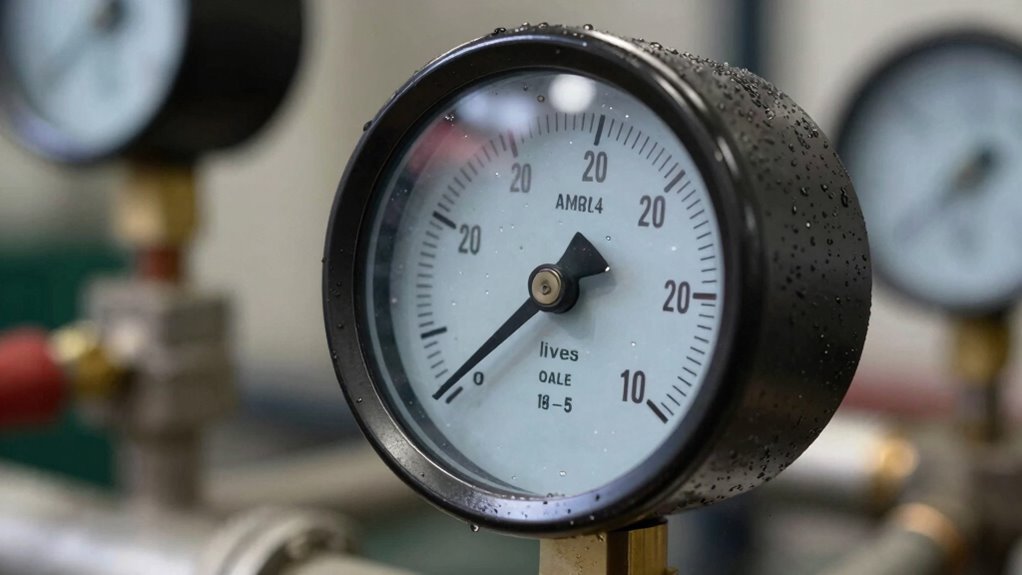
digital pressure gauge for system monitoring
As an affiliate, we earn on qualifying purchases.
As an affiliate, we earn on qualifying purchases.
Conclusion
So, next time you check your pressure gauges, remember they reveal more than just numbers—they tell a story about your system’s health. Some might think these readings are just routine, but paying attention to small fluctuations can prevent bigger issues down the line. Don’t dismiss them as insignificant; instead, use them as a guide. By doing so, you’re taking proactive steps to keep everything running smoothly, saving time and money in the long run.
As an affiliate, we earn on qualifying purchases.
pressure trend analysis software
As an affiliate, we earn on qualifying purchases.
As an affiliate, we earn on qualifying purchases.
Fall Picks
fall essentials
As an affiliate, we earn on qualifying purchases.