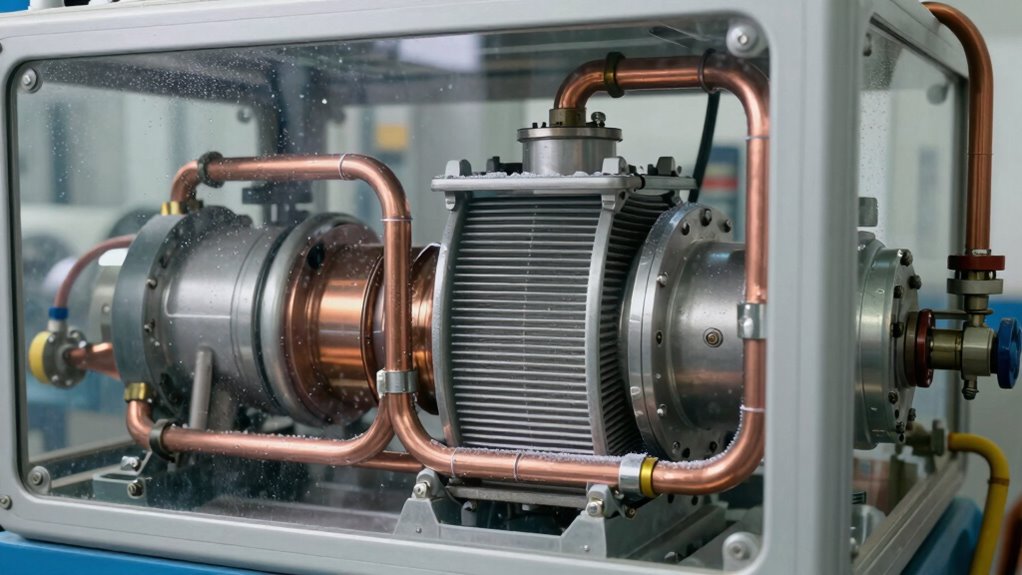

Refrigerant migration occurs when refrigerant molecules move away from the compressor during shutdowns, leading to uneven refrigerant distribution in the system. This creates pressure imbalances that make it difficult for the compressor to start normally, sometimes even preventing it from starting altogether. Longer shutdowns tend to worsen these issues, as liquid refrigerant can flood the compressor. To understand how these effects can be minimized, keep exploring the causes and solutions.

Get backup power and energy gear delivered free — and shop member deals
- Fast, free delivery on millions of items
- Access to Prime Big Deal Days deals on October 6–7
- Prime Video, Amazon Music and more included
Key Takeaways
- Refrigerant molecules move away from the compressor during shutdown, creating pressure imbalances that hinder startup.
- Migration leads to refrigerant accumulation in system parts, causing flooding or liquid slugging during restart.
- Uneven refrigerant distribution delays pressure equalization, preventing the compressor from starting smoothly.
- Higher pressures in newer refrigerants increase sensitivity to migration, worsening startup delays.
- Proper system design and components can reduce migration, ensuring more reliable and quicker startup.
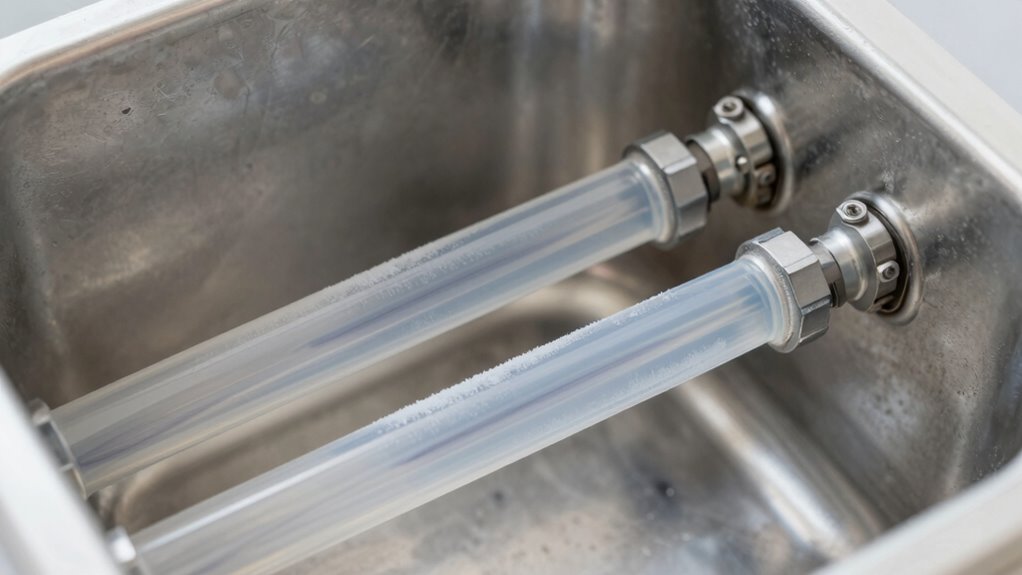
Refrigerant migration often causes startup trouble in refrigeration and air conditioning systems, especially after extended shutdowns. When the system sits idle for a long time, refrigerant molecules tend to move away from the compressor and into other parts of the system, such as the expansion device or the evaporator coil. This uneven distribution can lead to pressure imbalances, making it difficult for the compressor to start properly. You might notice delayed startup times, or in some cases, the compressor won’t start at all until the refrigerant redistributes evenly.
Refrigerant migration during shutdowns causes pressure imbalances, delaying compressor startup or preventing it altogether.
As refrigerant types expand, the impact on system efficiency becomes more pronounced. Newer refrigerants, like R-410A or R-32, often have different physical properties compared to traditional R-22 or R-12. These differences influence how refrigerants migrate within the system during shutdowns. For example, some refrigerants are more prone to migration because they have lower viscosity or different vapor pressures. This increased migration can cause more significant pressure imbalances, which not only complicate startup but also reduce overall efficiency. When refrigerant doesn’t circulate as intended, the system has to work harder to reach the desired temperature, leading to increased energy consumption and wear on components.
Furthermore, the expansion of refrigerant types means you need to be more vigilant about how these fluids behave over time. Certain refrigerants tend to accumulate in specific system areas, especially if the system lacks proper design features like check valves or oil traps. If you ignore these factors, refrigerant migration can cause liquid refrigerant to flood the compressor during startup, risking damage or failure. This is particularly problematic with newer refrigerants that often operate at higher pressures, making the system more sensitive to imbalances caused by migration. Additionally, proper system design can help mitigate the effects of refrigerant migration by promoting more uniform distribution. Proper system maintenance practices, including regular checks and repairs, are also crucial in preventing these issues. Moreover, understanding the properties of refrigerants helps in selecting suitable components that can accommodate different physical characteristics and reduce migration risks. Recognizing the thermal properties of refrigerants can also assist in designing systems that are less susceptible to migration-related problems.
The impact on system efficiency is significant because when refrigerant isn’t evenly distributed, your system struggles to perform at its best. It might cycle on and off more frequently, consume more power, or produce inconsistent cooling or heating. Over time, these inefficiencies can lead to increased maintenance costs and shorten the lifespan of your equipment. Hence, understanding how refrigerant migration affects your system—especially with the expanding variety of refrigerants—is essential. Proper system design, regular maintenance, and the use of appropriate components can mitigate these issues, ensuring smoother startups and better overall efficiency. Additionally, awareness of refrigerant properties is key to selecting the right system components and preventative measures for optimal operation.
refrigerant migration prevention kit
As an affiliate, we earn on qualifying purchases.
As an affiliate, we earn on qualifying purchases.
Frequently Asked Questions
How Can Refrigerant Migration Be Prevented Effectively?
To prevent refrigerant migration effectively, you should maintain proper refrigerant balance and guarantee correct system calibration. Regularly check for leaks or imbalances that might cause refrigerant to move undesirably. Install directional or check valves to stop refrigerant from migrating during off cycles. Additionally, calibrate control components accurately to prevent uneven refrigerant distribution, which helps maintain system stability and reduces startup trouble caused by refrigerant migration.
Does Refrigerant Migration Affect All Types of Refrigeration Systems?
Refrigerant migration affects all types of refrigeration systems, but its impact varies based on system compatibility and refrigerant types. You need to recognize that different systems and refrigerants respond differently to migration, influencing startup performance. Whether you operate a commercial or residential setup, understanding how refrigerant types interact with your system guarantees you can effectively address migration issues, optimize efficiency, and prevent startup troubles caused by refrigerant movement.
What Are the Signs of Refrigerant Migration During Startup?
During startup, you might notice signs of refrigerant migration like system imbalance and increased compressor strain. The system may run unevenly or struggle to reach proper temperatures, causing the compressor to work harder than normal. These issues indicate refrigerant isn’t evenly distributed, leading to startup trouble. Recognizing these signs early helps you address the problem before it causes more significant damage or reduces system efficiency.
Can Refrigerant Migration Cause Long-Term Damage?
Refrigerant migration can cause long-term damage by leading to refrigerant buildup and system imbalance. For example, in a commercial HVAC system, persistent refrigerant buildup in the compressor can cause it to overheat, reducing its lifespan. Over time, this imbalance stresses components and accelerates wear, ultimately leading to costly repairs or system failure. Addressing migration early helps prevent such long-term issues and maintains system health.
Are There Specific Environmental Factors That Worsen Migration Issues?
Yes, environmental humidity and ambient temperature can worsen refrigerant migration issues. High humidity levels increase moisture, which can lead to ice formation and blockages, while elevated ambient temperatures cause refrigerant to vaporize more readily, promoting migration. These factors make it harder for the refrigerant to stay in its designated areas, increasing startup trouble. Managing humidity and temperature helps minimize migration and guarantees smoother system operation.
As an affiliate, we earn on qualifying purchases.
Conclusion
Understanding refrigerant migration helps you prevent startup troubles before they snowball. Think of it as a silent thief, sneaking away when you’re not looking, causing chaos at startup. By ensuring proper system installation, regular maintenance, and correct charging, you can keep this sneaky culprit at bay. When you control refrigerant migration, your equipment runs smoothly, like a well-oiled machine, instead of being thrown into chaos by unseen forces working against you.
refrigerant oil trap for AC systems
As an affiliate, we earn on qualifying purchases.
As an affiliate, we earn on qualifying purchases.
As an affiliate, we earn on qualifying purchases.
Fall Picks
fall essentials
As an affiliate, we earn on qualifying purchases.