

Your suction line temperature is more important than it seems because it reveals the refrigerant’s internal state, helping you catch issues like low refrigerant levels or poor cooling early on. Monitoring this temperature lets you spot inefficiencies before they turn into costly repairs or system failures. Staying on top of it guarantees your HVAC runs smoothly and efficiently. Keep going to discover how this simple check can save you money and extend your system’s lifespan.

Get backup power and energy gear delivered free with Prime
- Fast, free delivery on millions of items
- Prime Video, Amazon Music and more included
- Member-only deals all year
Key Takeaways
- It indicates the internal refrigerant state, helping detect issues early before major failures occur.
- Proper temperature ensures optimal system efficiency and prevents energy wastage.
- Monitoring prevents costly repairs by identifying problems like low refrigerant or airflow issues early.
- Maintaining correct suction line temperature prolongs equipment lifespan and avoids system breakdowns.
- It enables proactive maintenance, ensuring reliable comfort and consistent heating or cooling performance.
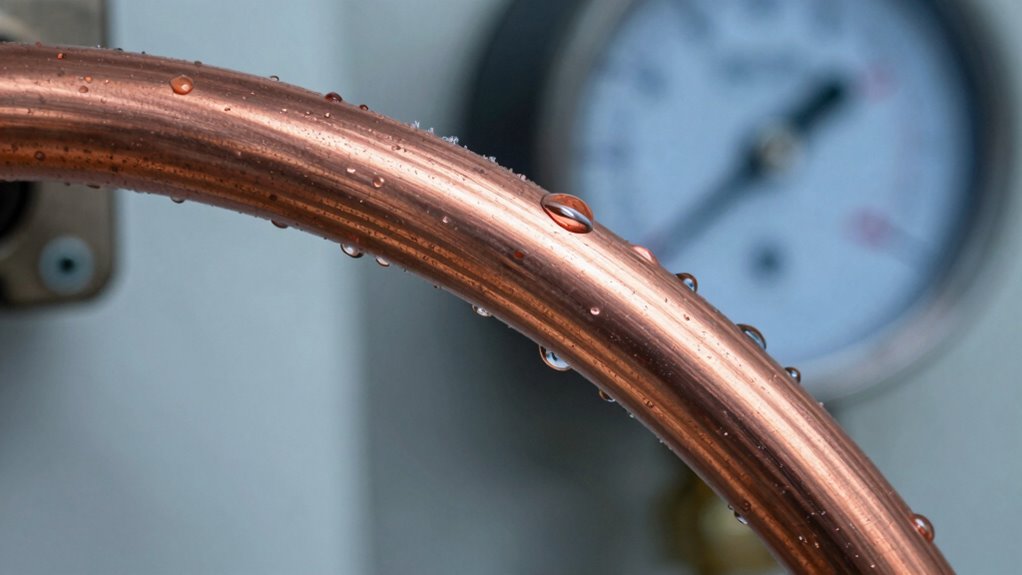
Have you ever wondered why your HVAC technician checks the suction line temperature? It might seem like a small detail, but it’s an essential step in maintaining your system’s health. The suction line carries refrigerant vapor back to the compressor, and its temperature reveals a lot about what’s happening inside your AC or heat pump. Understanding this temperature helps diagnose potential issues early, saving you money and preventing breakdowns. Proper refrigerant management is crucial for optimal performance and avoiding costly repairs. Additionally, monitoring the temperature can help identify system inefficiencies that could lead to higher energy bills over time.
digital refrigerant temperature sensor
As an affiliate, we earn on qualifying purchases.
As an affiliate, we earn on qualifying purchases.
Frequently Asked Questions
How Does Suction Line Temperature Affect Overall HVAC System Efficiency?
Suction line temperature directly impacts your HVAC system’s efficiency by influencing refrigerant flow and thermal expansion. If the temperature is too high, refrigerant may not absorb enough heat, reducing cooling capacity. Conversely, low temperatures help maintain proper refrigerant flow and optimize thermal expansion, ensuring your system runs smoothly. Monitoring and maintaining ideal suction line temperature prevents energy waste, improves performance, and prolongs your system’s lifespan.
Can Improper Suction Line Temperature Cause Compressor Damage?
Yes, improper suction line temperature can cause compressor damage. If the temperature gets too low, refrigerant leaks may occur, reducing system efficiency and risking compressor overheating. Conversely, if it’s too high, the compressor works harder, increasing wear and tear. Maintaining proper suction line temperature helps prevent overheating and leaks, protecting your compressor and ensuring your HVAC system runs smoothly and efficiently.
What Tools Are Best for Measuring Suction Line Temperature Accurately?
Think of measuring suction line temperature like tuning a finely crafted instrument. Use a high-quality digital temperature sensor, placing it snugly at the pipe’s surface—sensor placement is key for accuracy. Regular calibration techniques, like comparing readings with a known standard, guarantee consistent results. With the right tools and proper placement, you’ll keep your system humming smoothly, catching issues before they turn into costly repairs.
How Often Should Suction Line Temperature Be Checked During Maintenance?
You should check the suction line temperature during each maintenance visit to guarantee ideal refrigerant flow and system efficiency. Regular monitoring helps identify issues early, supporting accurate system diagnostics and preventing potential failures. For best results, measure temperatures when the system is running under normal load, ideally every 3 to 6 months, especially in extreme weather conditions or if you notice performance drops. Consistent checks keep your system running smoothly.
What Is the Ideal Suction Line Temperature Range for Most Systems?
Think of your system’s suction line temperature as a delicate dance—ideally between 40°F and 55°F. Proper insulation guards this rhythm, preventing heat intrusion, while compatible refrigerants keep the dance smooth. If the temperature drops too low or rises too high, it signals potential issues. Maintaining this range ensures your system runs efficiently, protecting crucial components and optimizing cooling performance.
HVAC suction line temperature gauge
As an affiliate, we earn on qualifying purchases.
As an affiliate, we earn on qualifying purchases.
Conclusion
Understanding the importance of suction line temperature can save your system from costly repairs. Did you know that improper temperature regulation can reduce a compressor’s lifespan by up to 50%? By paying attention to this often-overlooked detail, you guarantee your system runs efficiently and lasts longer. So, next time you check your HVAC, remember: a simple temperature adjustment could make all the difference in keeping your home comfortable and your wallet intact.
refrigerant temperature meter for AC
As an affiliate, we earn on qualifying purchases.
As an affiliate, we earn on qualifying purchases.
As an affiliate, we earn on qualifying purchases.
Fall Picks
fall essentials
As an affiliate, we earn on qualifying purchases.