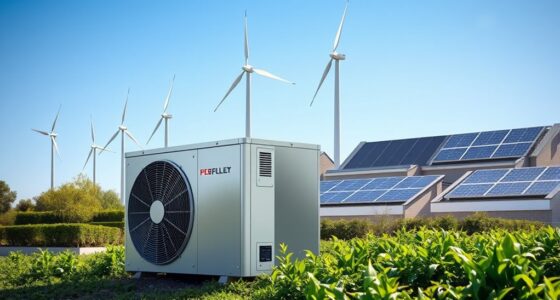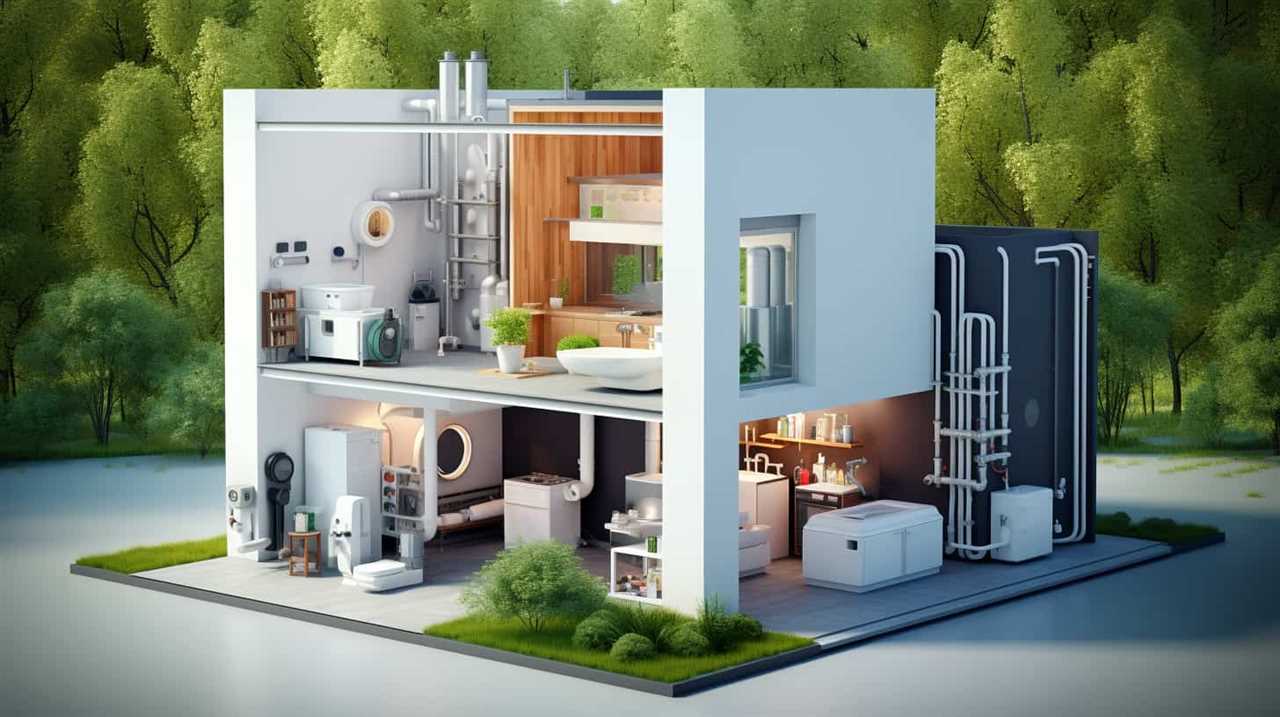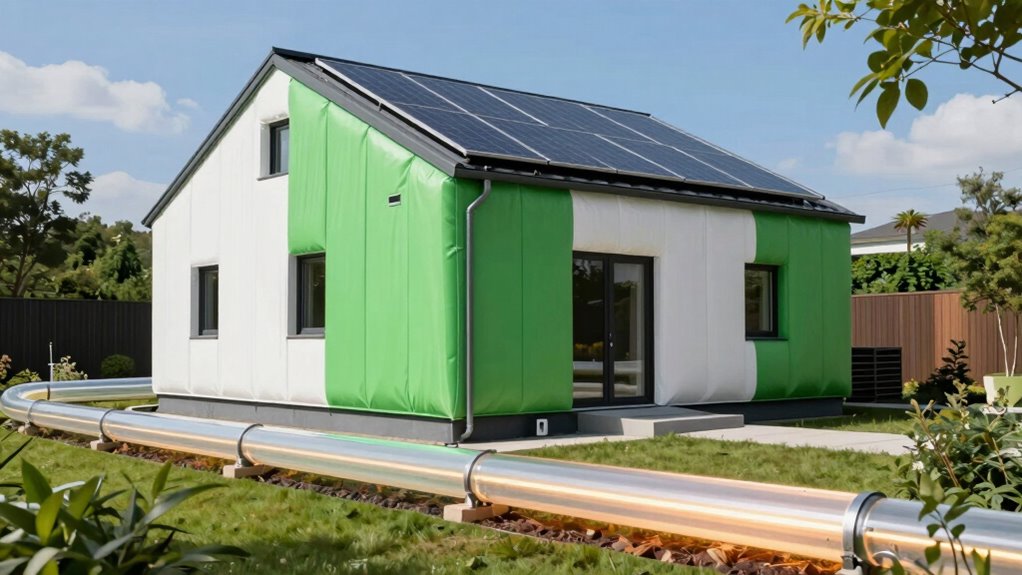

When you prioritize upgrading your building envelope, you create a strong foundation for renewable heating systems to work efficiently. By reducing heat loss and sealing air leaks, your space stays warmer in winter and cooler in summer, which lowers energy demand. This stability allows renewable systems to operate at their best, saving you money and reducing environmental impact. Keep exploring, and you’ll discover how to optimize your entire building for maximum comfort and efficiency.
Key Takeaways
- An improved envelope minimizes heat loss, enhancing the efficiency of renewable heating systems.
- Proper insulation and sealing create stable indoor temperatures, allowing renewable systems to operate optimally.
- Reduced air leaks and drafts lower energy demand, maximizing the benefits of renewable heating.
- A well-sealed envelope prevents moisture issues that can damage renewable heating components and the building.
- Prioritizing the envelope ensures long-term energy savings and better indoor air quality with renewable systems.
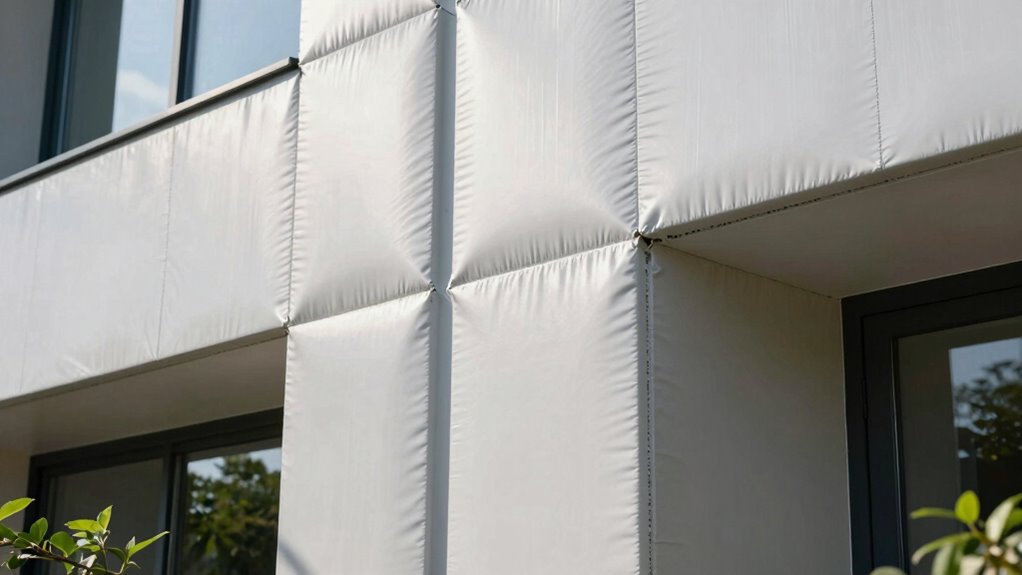
As buildings account for a significant portion of energy consumption, integrating renewable heating systems with the building envelope offers a promising way to enhance energy efficiency. When you focus on improving the envelope first, you create a solid foundation that reduces heat loss and maximizes the benefits of renewable energy sources. Thermal insulation plays a crucial role here, trapping heat inside during the winter and keeping it out during the summer. By properly installing insulation, you minimize the workload on your heating system, meaning your renewable heat source doesn’t have to work as hard to maintain comfortable indoor temperatures. Additionally, air sealing ensures that unwanted air exchanges are minimized, further boosting energy performance. Incorporating industry trends can help you stay updated on innovative solutions for envelope improvements.
Improving the building envelope first reduces heat loss, maximizing renewable energy efficiency and lowering energy costs.
Air sealing is equally vital. Even small gaps and leaks in your building’s envelope can cause significant heat loss, undermining the efficiency of both your insulation and your renewable heating system. When you seal these leaks effectively, you prevent drafts and unwanted air exchanges, which helps maintain a consistent indoor climate. This reduces the demand on your heating system, allowing renewable sources—like heat pumps or solar thermal collectors—to operate at optimal efficiency. The combination of thermal insulation and airtightness creates a tight, energy-efficient shell that conserves heat and minimizes energy waste. Incorporating building envelope improvements early on can also help manage indoor air quality and moisture levels more effectively. Recognizing the importance of building performance can guide you in making comprehensive upgrades that benefit both energy efficiency and indoor comfort.
By prioritizing the envelope, you also gain better control over indoor humidity and air quality, which further enhances comfort and reduces energy needs. When your building is well-insulated and airtight, you don’t need to rely heavily on active heating or cooling systems to compensate for heat loss or gain. Instead, your renewable heating system can work more efficiently, leveraging the stable indoor environment created by the envelope improvements. This synergy means lower energy bills and a smaller carbon footprint, making your building more sustainable overall.
Furthermore, focusing on passive design strategies during envelope improvements can significantly amplify energy savings and comfort levels, making renewable heating even more effective. Moreover, integrating renewable heating with a well-constructed envelope is a proactive approach. It prevents issues like mold growth or structural deterioration caused by moisture infiltration, which can occur with poor insulation and air sealing. When you get these foundational elements right, you’re not only improving energy performance but also extending your building’s lifespan. It’s a smart investment that pays off in long-term comfort, cost savings, and environmental impact.
In essence, the reason renewable heating works best when the envelope comes first is that you’re optimizing your building’s ability to retain heat and manage air quality. This creates an environment where renewable systems can perform at their best. Without proper thermal insulation and air sealing, your renewable energy efforts are less effective, as unnecessary heat loss and air leaks persist. Starting with the envelope ensures your renewable heating system is both efficient and sustainable, giving you a comfortable, energy-efficient building for years to come.

FONUNO Bubble Insulation Sheet, Reflective Insulation Roll, 23.6IN X 10FT
- Premium Reflective Material: High-quality aluminum foil and bubble cushion
- Enhanced Reflectivity: Surface round hole design increases reflectivity
- Durable and Scratch-Resistant: Long-lasting material resists scratches
As an affiliate, we earn on qualifying purchases.
As an affiliate, we earn on qualifying purchases.
Frequently Asked Questions
How Much Does Upgrading the Building Envelope Typically Cost?
Upgrading your building envelope typically costs between $1.50 and $3.00 per square foot, but this varies based on the project’s scope and materials used. For budget planning, consider factors like insulation, air sealing, and windows. While initial costs might seem high, these improvements substantially reduce energy expenses over time. Cost considerations should include long-term savings and comfort, making envelope upgrades a smart investment for renewable heating efficiency.
What Are the Environmental Benefits of Prioritizing the Building Envelope?
Imagine your home wrapped in a cozy, airtight blanket of building insulation and air sealing. Prioritizing the building envelope reduces energy waste, lowering greenhouse gas emissions. It minimizes the need for fossil fuel-based heating, cutting your carbon footprint. By enhancing insulation and sealing gaps, you create a more sustainable space that conserves resources and protects the environment, making your home a green haven that benefits both you and the planet.
How Long Does It Take to See Savings After Envelope Upgrades?
You’ll start seeing savings within a few months after upgrading your building envelope. Improved insulation and enhanced energy efficiency reduce heat loss, lowering heating and cooling costs. The exact timeline depends on factors like climate and current insulation quality, but generally, you’ll notice reduced energy bills quickly. These upgrades make your home more comfortable and set the stage for renewable heating systems to work even more efficiently, maximizing your long-term savings.
Can Existing Homes Benefit From Envelope Improvements?
Like a well-preserved masterpiece, your existing home can still benefit from envelope improvements. You’ll enhance energy efficiency without sacrificing historic preservation or aesthetic charm. Upgrading insulation and sealing leaks preserves character while making your home more comfortable and sustainable. These enhancements can markedly reduce heating costs and improve indoor comfort, proving that even older homes can embrace modern renewable heating techniques without compromising their historic essence.
What Are Common Mistakes During Envelope Upgrades?
One common mistake during envelope upgrades is falling for insulation myths that lead to over-insulating or improper material choices. Another mistake is neglecting proper air sealing, which can allow drafts and reduce efficiency. You might also focus only on insulation without addressing air leaks, undermining your efforts. To maximize benefits, make sure you combine accurate insulation with thorough air sealing, avoiding these pitfalls for a more effective and energy-efficient upgrade.
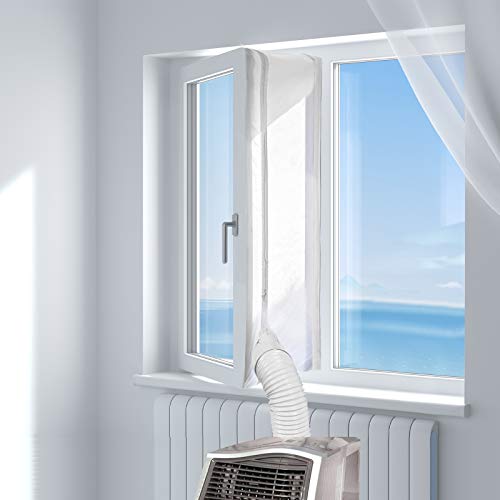
HOOMEE 157”(400CM) Universal Window Seal for Mobile Air Conditioner and Tumble Dryer – Window Kit Works with Portable AC, Easy to Install – Air Exchange Guards with Zip and Adhesive Fastener
- Effective Window Sealing: Closes gaps around exhaust hose
- Enhanced Cooling Performance: Seals around open windows for efficiency
- Energy Saving: Reduces energy use and costs
As an affiliate, we earn on qualifying purchases.
As an affiliate, we earn on qualifying purchases.
Conclusion
So, next time you’re tempted to slap in a shiny new renewable heater without sealing your home first, think again. Because nothing says “smart investment” like throwing energy away on leaky walls while pretending your fancy new system is magic. Fix the envelope first, and suddenly, your renewable heating system isn’t just a good idea—it’s a genius one. After all, why waste money on miracles when you can fix the basics?

Pool Heat Pump 18450 BTU, 110V Electric Pool Heater for Above Ground Pools up to 6000 Gallons, Energy Efficient Heat Pump Pool Heater with WiFi Control, Titanium Heat Exchanger- V5
- Pool Capacity: Suitable for pools up to 6000 gallons
- Heating Power: 18450 BTU for efficient heating
- Energy Efficiency: Adjusts operation to save energy
As an affiliate, we earn on qualifying purchases.
As an affiliate, we earn on qualifying purchases.

MISOL Solar Collector of Solar Hot Water Heater/with 10 Evacuated Tubes/Heat Pipe Vacuum Tubes
- Product Type: Solar Hot Water Heater Collector
- Number of Tubes: 10 Vacuum Glass Tubes
- Tube Diameter: 58mm Diameter
As an affiliate, we earn on qualifying purchases.
As an affiliate, we earn on qualifying purchases.