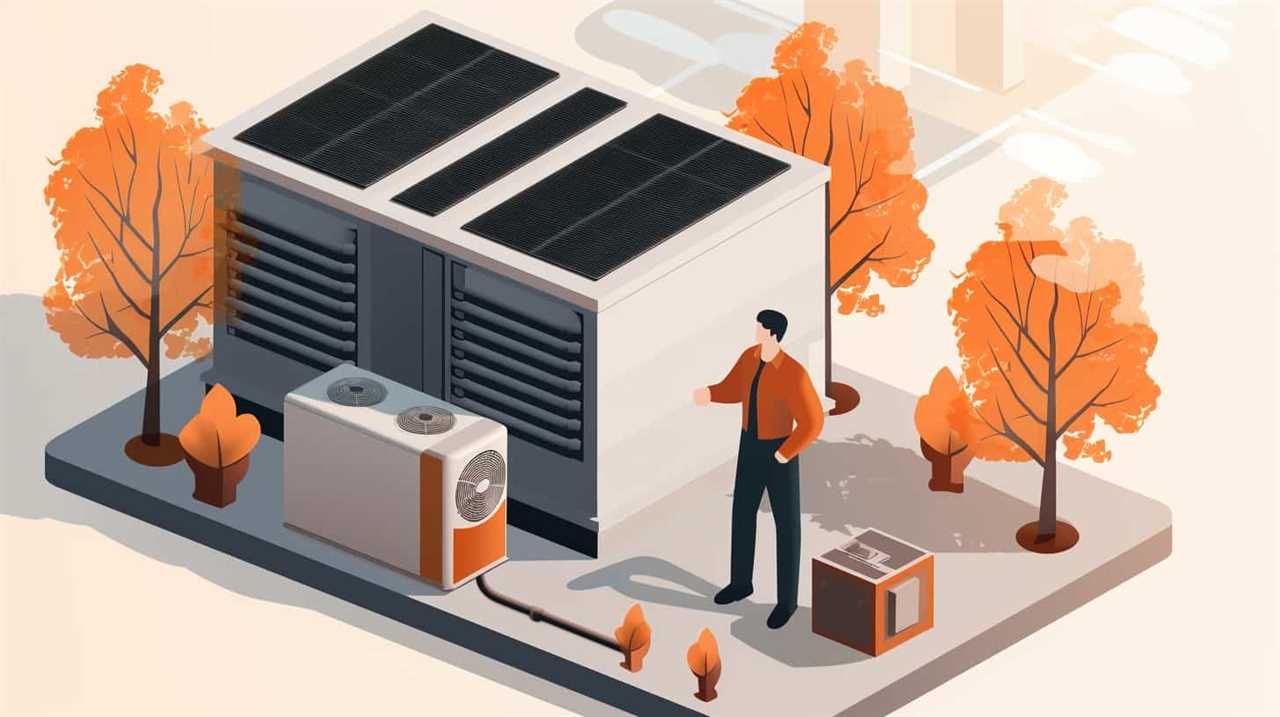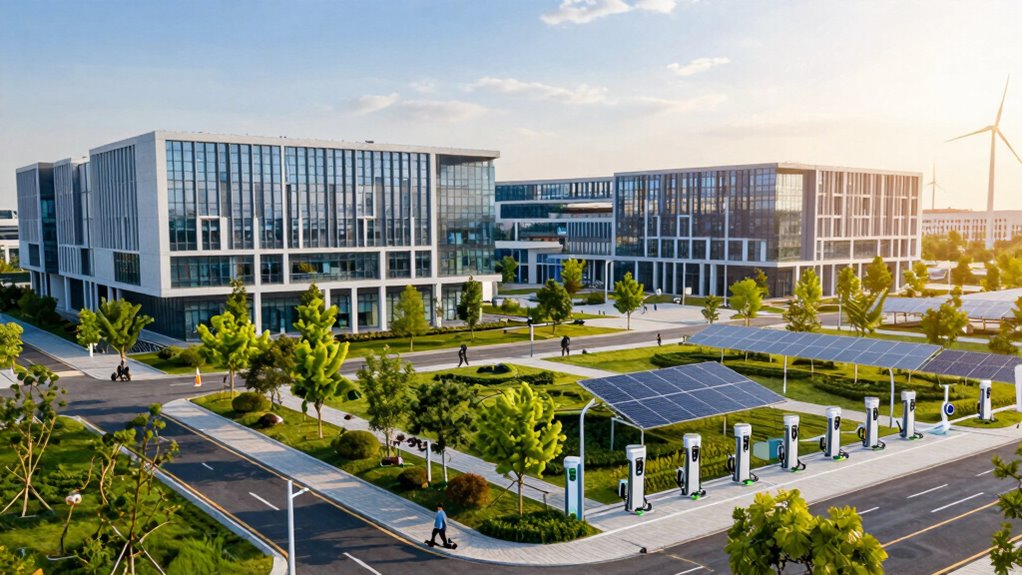
To make electrification easier on your campus, develop a holistic energy strategy focused on integrating renewable sources like solar, wind, or geothermal. Combine this with energy efficiency measures such as LED lighting and smart thermostats to reduce overall consumption. Conduct thorough energy audits and use smart management systems to optimize performance. Building strong partnerships for on-site generation or renewable supply helps guarantee resilience. If you continue exploring, you’ll discover key steps to streamline your shift and maximize sustainability.
Key Takeaways
- Conduct comprehensive energy audits to identify inefficiencies and prioritize electrification opportunities.
- Invest in advanced energy management systems for real-time monitoring and control of energy use.
- Integrate renewable energy sources like solar or wind to support electrification and reduce reliance on fossil fuels.
- Develop a layered approach combining efficiency upgrades with renewable integration for seamless electrification.
- Build partnerships with renewable providers or develop on-site generation for reliable, sustainable energy supply.
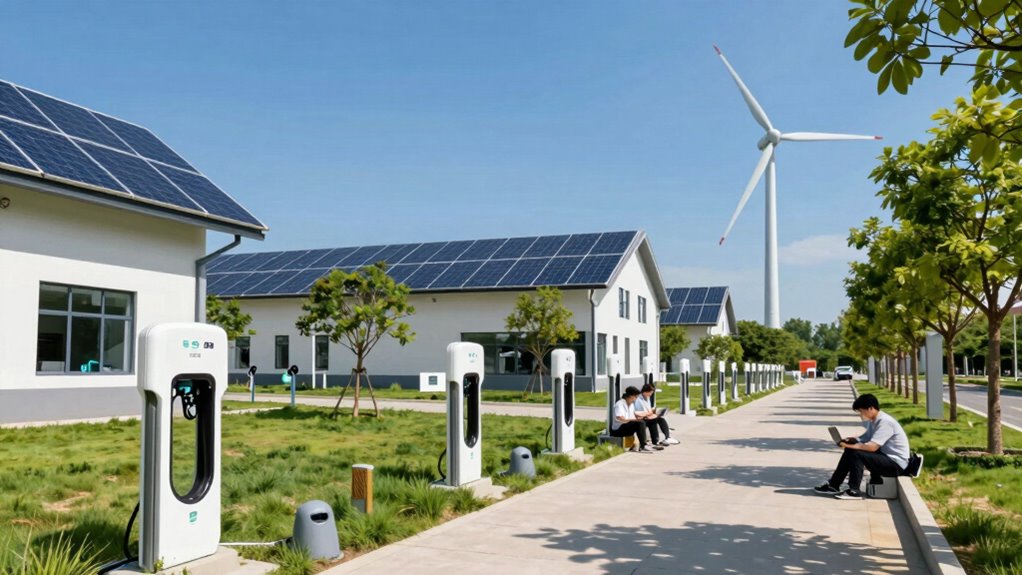
Have you ever wondered how campuses can reduce their environmental footprint while cutting costs? The answer lies in developing a thorough campus energy strategy that emphasizes renewable integration and energy efficiency. By focusing on these areas, you can create a more sustainable, cost-effective energy system that makes electrification not only feasible but also advantageous. Renewable integration involves incorporating sources like solar, wind, or geothermal energy into your campus’s existing infrastructure. This shift minimizes reliance on fossil fuels, decreases greenhouse gas emissions, and can lead to significant long-term savings. When you integrate renewables effectively, you take control of your energy supply, reducing vulnerability to fluctuating fuel prices and supply chain disruptions. This proactive approach also aligns with institutional goals for sustainability and environmental responsibility. Additionally, selecting the right projector technology can enhance presentations and communication efforts on campus, supporting your broader sustainability messaging.
Energy efficiency acts as the foundation of your strategy. Implementing measures such as LED lighting, smart thermostats, and high-efficiency HVAC systems ensures that your campus uses less energy without compromising comfort or functionality. These upgrades provide immediate reductions in energy consumption, translating into lower utility bills and decreased strain on your infrastructure. When combined with renewable energy sources, energy efficiency amplifies the benefits, making your campus’s shift to cleaner energy smoother and more manageable. It’s about optimizing what you already have while expanding your capacity for renewable energy production. Incorporating energy management systems allows for smarter control and further enhances overall efficiency. In addition, conducting comprehensive energy audits helps identify specific areas where improvements can be made for maximum impact. Leveraging renewable energy sources also strengthens your campus’s resilience against energy supply disruptions. Moreover, understanding the different dog breeds and their specific needs can help tailor your campus’s sustainability programs to include pet-friendly policies and amenities for students and staff with dogs.
To make electrification easier, you need a clear plan that integrates these elements seamlessly. Conducting energy audits helps identify inefficiencies and pinpoint opportunities for improvement. Investing in advanced energy management systems allows you to monitor and control energy use in real-time, ensuring that your campus operates at peak efficiency. Building partnerships with renewable energy providers or investing in on-site generation options can further enhance your renewable integration efforts. This layered approach not only reduces your campus’s carbon footprint but also makes the shift to electric-powered systems more straightforward and less costly over time.
In essence, a smart campus energy strategy combines renewable integration and energy efficiency to create a resilient, sustainable energy ecosystem. As you implement these measures, you’ll find that electrification becomes more accessible and economically viable. With a forward-thinking approach, you can lead your campus toward a cleaner future, reducing environmental impact while saving money. The key is to start now—by optimizing energy use, embracing renewables, and planning strategically, you make electrification an attainable goal that benefits everyone involved.
solar panel for campus renewable energy
As an affiliate, we earn on qualifying purchases.
As an affiliate, we earn on qualifying purchases.
Frequently Asked Questions
How Does Electrification Impact Campus Budget and Funding?
Electrification can positively impact your campus budget and funding by enabling innovative funding models, such as grants and public-private partnerships. It helps optimize your budget through energy efficiency and lower operational costs over time. By investing in electrification, you can access incentives and rebates, reducing upfront expenses. This strategy enhances financial flexibility, allowing you to allocate funds more effectively and support sustainable campus growth without compromising budget stability.
What Training Is Needed for Staff to Manage New Systems?
Did you know that properly trained staff can reduce system management errors by up to 30%? To effectively manage new systems, you need thorough staff training tailored to the specific technologies involved. This includes understanding system operation, troubleshooting, and maintenance. Continuous education ensures staff stay current with updates, improving system efficiency and longevity. Investing in training empowers your team to confidently handle system management and optimize campus energy performance.
How Will Student Life Be Affected During Transition?
During the shift, your student life might see some changes, but you’ll stay engaged with campus sustainability initiatives. Expect new programs and activities that promote environmental awareness, fostering a stronger sense of community. While there could be temporary disruptions, these efforts aim to enhance campus sustainability long-term. Your participation in these initiatives helps support a greener, more sustainable campus, making the changeover smoother and more meaningful for everyone involved.
Are There Potential Regulatory Hurdles for Campus Electrification?
You might face regulatory hurdles for campus electrification, mainly related to regulatory compliance and existing policies. Managing local, state, and federal regulations can be complex, but policy incentives often support transition efforts. Staying informed about evolving laws helps you plan effectively, ensuring your campus meets requirements while benefiting from incentives that make electrification more affordable. Proactively engaging with regulators can smooth the process and overcome potential obstacles.
How Does the Strategy Address Future Energy Demands?
You’ll find the strategy’s focus on renewable integration essential, as it prepares your campus for a 50% increase in future energy demands. By enhancing grid resilience, it guarantees reliable power even during peak loads or disruptions. This proactive approach helps you meet evolving energy needs sustainably, reducing reliance on fossil fuels, and supporting long-term campus resilience. It’s a smart way to future-proof your energy infrastructure effectively.
As an affiliate, we earn on qualifying purchases.
Conclusion
As you embrace this campus energy strategy, you realize that making electrification easier isn’t just a plan—it’s a coincidence of innovation and necessity. When your efforts align with smarter technologies and sustainable goals, success feels almost inevitable. You see how each step, like a puzzle piece fitting perfectly, brings your campus closer to a cleaner, more efficient future. It’s a reminder that sometimes, progress happens when opportunity and preparation unexpectedly come together.
As an affiliate, we earn on qualifying purchases.

Fundamentals of Geothermal Heat Pump Systems: Design and Application
As an affiliate, we earn on qualifying purchases.
As an affiliate, we earn on qualifying purchases.