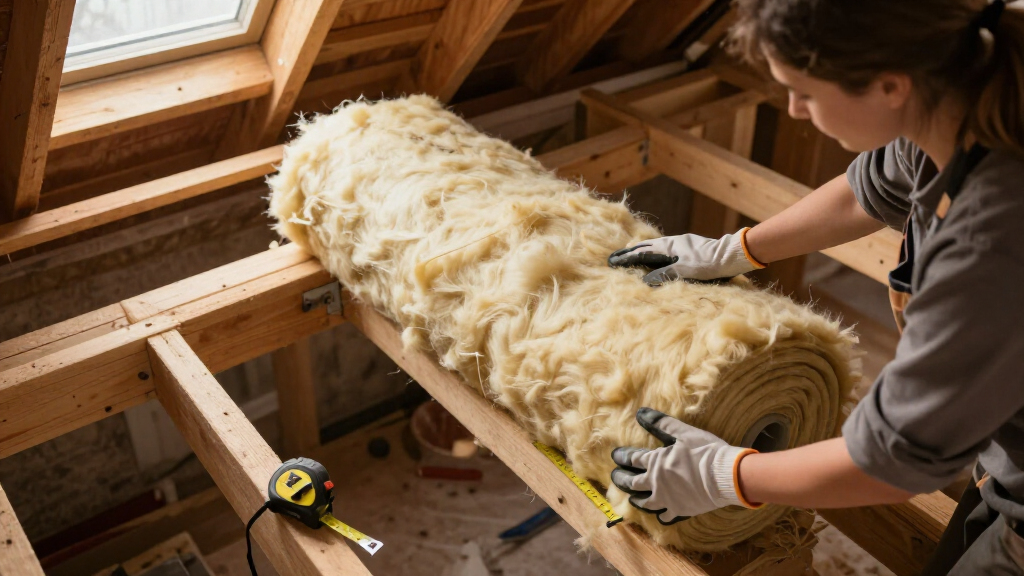

The best home insulation products depend on where heat is escaping: I’d choose Owens Corning R-19 Fiberglass Batt as the best overall option for adding conventional insulation to suitable framing, while Duck Max Strength Window Insulation Kit is a practical seasonal pick and Loctite Tite Foam Gaps & Cracks targets small air leaks. The main tradeoffs are coverage versus easy handling, insulation value versus where a material can be installed, and broad-area rolls versus focused fixes. Reflective products suit specific radiant-heat applications, while batts and foam address different parts of a home’s thermal boundary. Read on for the full comparison and guidance on matching a product to your project.

Get backup power and energy gear delivered free with Prime
- Fast, free delivery on millions of items
- Prime Video, Amazon Music and more included
- Member-only deals all year
Key Takeaways
- Owens Corning R-19 Fiberglass Batt is the lineup’s clearest choice for framed cavities that can accommodate its thickness; reflective rolls are not a direct substitute for cavity insulation.
- Duck’s window kit and the magnetic door curtain address seasonal drafts at openings, but neither replaces properly sealed, insulated walls or doors.
- Reflective bubble products vary most by roll size, width, and intended placement; compare the covered area with the actual surface and follow installation instructions for any required air space.
- The two Loctite Tite Foam products serve different gap sizes, so the right choice depends on the opening and careful application rather than choosing by name alone.
- The DGSL attic door cover focuses on a common weak point in an insulated attic boundary, while larger reflective rolls make more sense for projects with substantial, suitable surface area.
| Reflectix BP24025 Reflective Bubble Pack Insulation, 24 in x 25 ft |  | Best for Versatile Small Projects | Model: BP24025 | Dimensions: 24 in x 25 ft | Thickness: 5/16 in | VIEW LATEST PRICE | See Our Full Breakdown |
| DGSL Double Reflective Bubble Foil Insulation, 23.6 in x 10 ft |  | Best for Window Privacy and Seasonal Blocking | Dimensions: 23.6 in x 10 ft | Material: Double reflective aluminum foil and bubble material | Weight: 200 g per 10.76 sq ft | VIEW LATEST PRICE | See Our Full Breakdown |
| US Energy Products Radiant Barrier Reflective Insulation Roll, 1,000 sq. ft. |  | Best for Large-Area Radiant Barriers | Coverage: 1,000 sq. ft. | Roll dimensions: 250 ft long x 4 ft wide | Reflective value: 99.7% | VIEW LATEST PRICE | See Our Full Breakdown |
| LSGCQ Reflective Bubble Insulation Roll, 23.6 in x 10 ft |  | Best for Flexible Cut-to-Fit Coverings | Brand: LSGCQ | Model number: QPM00 | Dimensions: 23.6 in x 10 ft | VIEW LATEST PRICE | See Our Full Breakdown |
| US Energy Products R-8 HVAC Duct Wrap Insulation – Double Sided Reflective Foam Core, Class 1-A ASTM Fire Rated, 1/4 Inch Thick, 2FT x 25FT (50 SQFT) |  | Best for HVAC Ducts | Size: 2 ft x 25 ft | Coverage: 50 sq. ft. | R-value: R-8 | VIEW LATEST PRICE | See Our Full Breakdown |
| US Energy Products 4 ft × 250 ft Solid White Reflective Insulation Roll |  | Best for Large Surface Coverage | Roll dimensions: 4 ft × 250 ft | Coverage: 1,000 sq ft | Thickness: 8 mils | VIEW LATEST PRICE | See Our Full Breakdown |
| Duck Max Strength Window Insulation Kit, Fits up to 5 Windows, Clear |  | Best for Seasonal Draft Control | Film dimensions: 62 in. × 210 in. | Windows covered: Up to 5 standard 3 ft. × 5 ft. windows | Tape included: 0.5 in. × 84 ft. roll | VIEW LATEST PRICE | See Our Full Breakdown |
| Owens Corning R-19 Unfaced Fiberglass Insulation Batt, 15 in x 93 in, 77.5 Sq. Ft Coverage |  | Best for 2×6 Framing | Brand: Owens Corning | Model number: E55 | Material: Fiberglass | VIEW LATEST PRICE | See Our Full Breakdown |
| Magnetic Thermal Insulated Door Curtain, 38 x 84 in |  | Best for Busy Doorways | Curtain dimensions: 38 × 84 inches | Maximum door size: 36 × 82 inches, excluding frame | Outer material: Waterproof Oxford fabric | VIEW LATEST PRICE | See Our Full Breakdown |
| Loctite Tite Foam Gaps & Cracks Spray Foam Sealant, 12 fl oz, 1 Pack |  | Best for Sealing Small Gaps | Size: 12 fl oz | Quantity: 1 can | Type: Polyurethane expanding foam sealant | VIEW LATEST PRICE | See Our Full Breakdown |
| EcoFoil Single-Bubble Reflective Insulation Roll, 48 in x 125 ft |  | Best for Large Radiant-Barrier Projects | Width: 48 in | Length: 125 ft | Coverage: 500 sq. ft. | VIEW LATEST PRICE | See Our Full Breakdown |
| Loctite Tite Foam Big Gaps Spray Foam Sealant, 12 fl oz, 1 Pack |  | Best for Sealing Wide Gaps | Volume: 12 fl oz | Pack size: 1 can | Material: Polyurethane foam | VIEW LATEST PRICE | See Our Full Breakdown |
| DGSL Attic Door Insulation Cover, 25 x 54 x 11 Inches | 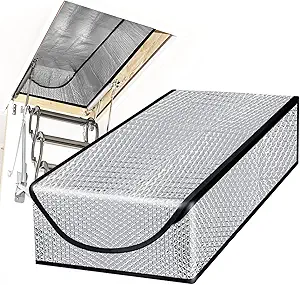 | Best for Attic Access Hatches | Dimensions: 25 x 54 x 11 in | Material: Two layers of aluminum with bubble insulation | Radiant heat reflectance: 97% | VIEW LATEST PRICE | See Our Full Breakdown |
More Details on Our Top Picks
Reflectix BP24025 Reflective Bubble Pack Insulation, 24 in x 25 ft
Reflectix BP24025 is the most adaptable choice here for homeowners who need a manageable roll for several kinds of building projects. Its seven-layer, 5/16-inch construction pairs reflective foil with bubbles that resist conductive heat flow, while the fiber-free material is light enough to handle without the bulk of batt insulation. Compared with the US Energy Products 1,000-square-foot roll, this 24-inch-wide, 25-foot roll is easier to size for a smaller job, but it covers far less area. Its description lists uses from crawl spaces to metal buildings, though the intended assembly and installation details matter for the result. The tradeoff is that it is a roll of insulation only; no tape or other installation parts are included, and the listed 97% radiant-heat reflection does not by itself describe total thermal performance.
Pros:- Seven-layer construction combines reflective foil and insulating bubbles
- Works across several construction and insulation applications
- Lightweight, fiber-free material is easy to handle
- 24-inch width suits narrower spaces and smaller jobs
Cons:- One roll covers much less area than the 1,000-square-foot US Energy Products roll
- No installation accessories are included
- A radiant reflection figure is provided, but no R-value is listed
Best for: DIY homeowners handling a modest crawl-space, attic, wall, or metal-building project who want a lightweight, fiber-free roll.
Not ideal for: Buyers insulating a large area in one pass or anyone who needs included mounting supplies or a stated R-value.
- Model:BP24025
- Dimensions:24 in x 25 ft
- Thickness:5/16 in
- Layers:7
- Radiant heat reflected:97%
- Item weight:16 oz
Our verdict“Choose Reflectix for a smaller, varied insulation project where easy handling matters more than broad coverage or included accessories.”
DGSL Double Reflective Bubble Foil Insulation, 23.6 in x 10 ft
DGSL Double Reflective Bubble Foil is a short, cut-to-fit roll for people targeting window heat transfer or a compact area rather than insulating an entire home. Its 60 self-adhesive pads give it a practical edge over the LSGCQ Reflective Bubble Insulation Roll, which comes with tape, while DGSL specifies a larger number of separate attachment pads. The material can also be cut for garages, RVs, and roofs, but its opaque foil blocks the view wherever it covers glass. That makes it a poor match for rooms where daylight and an unobstructed window matter. The product description gives no measured insulation or thermal rating, so I would treat it as a targeted covering rather than compare it with rated options such as the US Energy Products R-8 HVAC Duct Wrap.
Pros:- Double reflective foil and bubble construction
- Can be cut to fit windows and other spaces
- Includes 60 self-adhesive pads
- Light roll suited to targeted installations
Cons:- Opaque surface blocks the view through covered windows
- No measured insulation performance is provided
- 10-foot length limits coverage for larger projects
Best for: Renters or RV owners who want a cut-to-fit, opaque covering for selected windows and value included adhesive pads.
Not ideal for: Homeowners who want to keep a clear view through windows, cover a large area, or choose insulation by a published thermal rating.
- Dimensions:23.6 in x 10 ft
- Material:Double reflective aluminum foil and bubble material
- Weight:200 g per 10.76 sq ft
- Included accessories:60 self-adhesive pads
- Cutting:Scissors or utility knife
- Listed applications:Windows, garages, RVs, roofs, and other spaces
Our verdict“Pick DGSL for small, opaque window or RV applications where included adhesive pads are useful and a clear view is not needed.”
US Energy Products Radiant Barrier Reflective Insulation Roll, 1,000 sq. ft.
For a large project focused on reflecting radiant heat, the US Energy Products 1,000-square-foot roll offers the broadest coverage in this group. At 4 feet wide and 250 feet long, it can suit a substantial attic or building installation with fewer roll changes than the 25-foot Reflectix BP24025. Its double-sided, tear-resistant construction is also described as lightweight and easy to cut. This is a different proposition from the US Energy Products R-8 HVAC Duct Wrap: the duct wrap supplies a stated R-value for HVAC use, while this roll is presented as a radiant barrier. The maker lists ASTM standards and 99.7% reflectivity, but the product information does not provide independent performance verification or a guaranteed energy saving. Buyers should match it to the intended assembly and local requirements.
Pros:- 1,000 sq. ft. of coverage in one roll
- Four-foot width can reduce the number of strips across broad areas
- Double-sided construction is described as tear-resistant
- Lightweight material is designed to be cut and installed
Cons:- Large roll is excessive for small repairs or targeted window projects
- Reflectivity and savings claims are not independently verified in the supplied product details
- No R-value is listed
Best for: Contractors or homeowners with a large attic or building project who need wide, lightweight radiant-barrier material.
Not ideal for: Small-job DIYers who would leave most of the roll unused, or buyers seeking a stated R-value and independently verified performance data.
- Coverage:1,000 sq. ft.
- Roll dimensions:250 ft long x 4 ft wide
- Reflective value:99.7%
- Material weight:70 grams
- Construction:Double-sided, tear-resistant
- Listed standards:ASTM E2599, C1313, E-84, and 96-00
- Origin:Made in the USA
- Water and weather resistance:Waterproof and weatherproof
Our verdict“Choose this roll for a large radiant-barrier installation when broad coverage matters more than a stated R-value or independent performance evidence.”
LSGCQ Reflective Bubble Insulation Roll, 23.6 in x 10 ft
LSGCQ Reflective Bubble Insulation suits buyers who want a short roll that can be trimmed, folded, and attached with supplied tape. Its waterproof, scratch-resistant sheet is described for windows, RVs, garages, roofs, and attics, making it a flexible covering for varied small areas. Compared with the similarly sized DGSL Double Reflective Bubble Foil, LSGCQ includes double-sided tape rather than 60 self-adhesive pads; that may fit buyers who prefer taping a cut piece, while DGSL provides a specified pad count. Neither product lists a thermal rating, so neither gives a clear basis for comparing insulation performance. LSGCQ’s 23.6-inch width and 10-foot length also limit its usefulness on large jobs, and installation requires measuring, cutting, and taping the material in place.
Pros:- Can be cut and folded to fit different shapes
- Double-sided tape is included
- Waterproof and scratch-resistant material
- Listed for windows, RVs, garages, roofs, and attics
Cons:- No R-value or other thermal performance rating is provided
- Small roll is not suited to broad coverage
- Requires measuring, cutting, and taping during installation
Best for: DIYers covering a few irregular windows or compact RV and garage areas who want a foldable roll with tape included.
Not ideal for: Buyers insulating a broad area, seeking measured thermal performance, or wanting an installation-free window solution.
- Brand:LSGCQ
- Model number:QPM00
- Dimensions:23.6 in x 10 ft
- Quantity:1 roll
- Material:Reflective aluminum film and bubble insulation
- Included:Double-sided tape
- Features:Waterproof, reflective, cuttable, and foldable
Our verdict“Choose LSGCQ for small, custom-shaped coverings where included tape and a cuttable, waterproof sheet matter more than rated insulation performance.”
US Energy Products R-8 HVAC Duct Wrap Insulation – Double Sided Reflective Foam Core, Class 1-A ASTM Fire Rated, 1/4 Inch Thick, 2FT x 25FT (50 SQFT)
The US Energy Products R-8 HVAC Duct Wrap has the clearest job-specific case in this batch: it is rated R-8 for HVAC applications and described as moisture-resistant, waterproof, and condensation-inhibiting. Those details make it a more focused choice for ductwork than the Reflectix BP24025, which is described for several construction uses but has no R-value listed. Its fiber-free foam core can be cut with scissors or a utility knife, and the stated installation options include staples, nails, glue, or spray adhesive. The main compromise is scale: 50 square feet per roll may mean multiple rolls for an extensive duct system. Although the listing describes it as Class 1/A fire rated and ASTM certified, buyers should check that the product and installation meet the requirements for their specific HVAC setup.
Pros:- R-8 rating is specified for HVAC applications
- Waterproof material is described as resistant to moisture and humidity
- Fiber-free foam core is easy to cut and handle
- Several installation methods are listed
Cons:- 50 sq. ft. per roll may require multiple rolls for larger duct systems
- Its duct-focused format is less suited to broad wall or attic coverage
- The supplied details do not state independent verification of its performance claims
Best for: Homeowners or HVAC installers insulating duct runs who need a listed R-8 product with moisture and condensation resistance.
Not ideal for: Buyers looking for broad attic or wall coverage, or anyone who needs more than 50 sq. ft. without using multiple rolls.
- Size:2 ft x 25 ft
- Coverage:50 sq. ft.
- R-value:R-8
- Thickness:1/4 in (5 mm)
- Core material:Double-sided reflective foam core
- Waterproof:Yes
- Installation methods:Staple, nail, glue, or spray adhesive
Our verdict“Choose this duct wrap for HVAC runs where a stated R-8 rating and moisture resistance matter more than coverage per roll.”
US Energy Products 4 ft × 250 ft Solid White Reflective Insulation Roll
For buyers covering a broad attic, shed, or warehouse area, this roll offers 1,000 square feet of material in a single 4-foot-wide format. Its double-sided foil and Mylar construction reflects radiant heat, while the woven scrim adds tear resistance during handling. Compared with the smaller Reflectix BP24025 Reflective Bubble Pack Insulation, this is suited to larger, continuous installations rather than short sections or small projects. The tradeoff is its non-perforated construction, which may not fit applications that call for perforated material. The manufacturer lists ASTM E84 fire testing with an E2599 mounting method; that detail does not by itself establish suitability for every assembly, so match the product to the installation requirements. Cooling savings also depend on climate and building conditions.
Pros:- Covers 1,000 square feet per roll
- Woven scrim reinforces the foil and Mylar against tearing
- Double-sided reflective surface suits multiple building applications
- Listed for attics, sheds, warehouses, and house wrapping
Cons:- Non-perforated design may not meet requirements for some installations
- Cooling savings claims are not third-party verified and vary with conditions
- Large roll may be cumbersome to handle for a small project
Best for: Homeowners or builders covering large attic, shed, or warehouse surfaces with reflective insulation
Not ideal for: DIYers with small projects or installations that specifically require perforated reflective material
- Roll dimensions:4 ft × 250 ft
- Coverage:1,000 sq ft
- Thickness:8 mils
- Material:Aluminum foil, Mylar, and woven scrim
- Construction:Non-perforated
- Recommended uses:Attics, sheds, warehouses, and house wrapping
- Fire testing:ASTM E84 using E2599 mounting method
Our verdict“Choose this roll when you need broad reflective coverage and can use a non-perforated product.”
Duck Max Strength Window Insulation Kit, Fits up to 5 Windows, Clear
This kit targets a specific weak spot: drafts around windows during cold weather. Its clear shrink film is twice as thick as standard window-kit film, which can make it a better fit for households concerned about punctures. The roll can cover up to five standard 3 ft. × 5 ft. windows, so it offers broader seasonal coverage than Loctite Tite Foam Gaps & Cracks Spray Foam Sealant, which is meant for filling smaller gaps rather than covering a window opening. That difference also defines the limitation: the film is an indoor, temporary window treatment, not a permanent repair or a solution for every source of heat loss. Installation calls for scissors and a hair dryer, and the tape needs a clean, dry painted or finished surface to adhere well.
Pros:- Film is twice as thick as standard window-kit film
- One kit covers up to five standard 3 ft. × 5 ft. windows
- Clear film maintains visibility through treated windows
- Removes easily at the end of the season
Cons:- Requires scissors and a hair dryer to install
- Indoor application depends on clean, dry painted or finished surfaces
- Temporary film does not replace a permanent window repair
Best for: Renters or homeowners sealing drafts at several standard windows for the cold season
Not ideal for: Buyers seeking a permanent window upgrade or unable to use a hair dryer during installation
- Film dimensions:62 in. × 210 in.
- Windows covered:Up to 5 standard 3 ft. × 5 ft. windows
- Tape included:0.5 in. × 84 ft. roll
- Film type:Clear shrink film
- Installation:Indoor; scissors and hair dryer needed
- Compatible surfaces:Clean, dry painted or finished wood, aluminum, or vinyl
Our verdict“Pick this kit for temporary draft reduction across several standard windows when you can install it indoors.”
Owens Corning R-19 Unfaced Fiberglass Insulation Batt, 15 in x 93 in, 77.5 Sq. Ft Coverage
For framed cavities where batt insulation is the right format, these 6.5-inch-thick R-19 batts are sized for deeper 2×6 walls and can also suit floors or attics. The unfaced construction leaves moisture control to the rest of the wall assembly, giving installers flexibility where a separate vapor-control layer is planned. Compared with the US Energy Products 4 ft × 250 ft Reflective Insulation Roll, this is a cavity-filling option for framed construction rather than a broad radiant surface covering. It also offers sound reduction alongside thermal insulation. The main tradeoffs are practical: the 77.5-square-foot bag coverage needs careful matching to the job, and fiberglass installation typically calls for protective gear because fibers can irritate skin and lungs. Skip it if the assembly needs an attached vapor barrier.
Pros:- R-19 rating and 6.5-inch thickness suit deeper framing cavities
- Batts can be cut to fit and recover quickly
- Provides thermal insulation and sound reduction
- Unfaced format works where moisture control is handled separately
Cons:- No vapor barrier is included
- Fiberglass installation typically requires protective gear
- Coverage is limited to 77.5 square feet per bag
Best for: Renovators insulating 2×6 framed walls, floors, or attic cavities with separate moisture control planned
Not ideal for: Installers who need an attached vapor barrier or want a reflective roll for large open surfaces
- Brand:Owens Corning
- Model number:E55
- Material:Fiberglass
- R-value:R-19
- Thickness:6.5 inches
- Batt dimensions:93 in. L × 15 in. W
- Coverage:77.5 sq ft; 8 batts per bag
- Facing:Unfaced; no vapor barrier
Our verdict“Choose these batts for framed 2×6 cavities when you have a separate plan for moisture control.”
Magnetic Thermal Insulated Door Curtain, 38 x 84 in
This curtain offers a quick way to reduce drafts through a doorway while keeping passage open for people and pets. Its 36-magnet center seam closes after someone passes through, and four weighted bars help hold the bottom in place. The triple-layer Oxford fabric and cotton filling make it a different kind of fix from Duck Max Strength Window Insulation Kit: Duck covers window openings with seasonal film, while this curtain adds a movable barrier at a door. That convenience comes with a size limit of 36 × 82 inches, excluding the frame, so measure the opening before choosing it. It can also block light, which may be useful for privacy but inconvenient in a doorway that should stay bright. As a temporary hanging curtain, it may not insulate as consistently as a permanent, well-sealed door.
Pros:- Magnetic seam closes automatically after passage
- Hands-free design accommodates people and pets
- Triple-layer fabric and cotton filling help reduce drafts
- Waterproof outer fabric is easy to clean
Cons:- Fits doors only up to 36 × 82 inches, excluding the frame
- Temporary curtain may insulate less consistently than a permanent door
- 90% blackout construction reduces light through the doorway
Best for: Households with a correctly sized drafty doorway used often by people or pets
Not ideal for: Owners of wider or taller doors, or anyone who needs a permanent door-sealing solution
- Curtain dimensions:38 × 84 inches
- Maximum door size:36 × 82 inches, excluding frame
- Outer material:Waterproof Oxford fabric
- Filling:Cotton
- Closure:36 magnets
- Bottom weights:4 gravity bars
- Light blocking:90% blackout
Our verdict“This curtain suits busy, properly sized doorways where easy passage and draft reduction matter more than a permanent seal.”
Loctite Tite Foam Gaps & Cracks Spray Foam Sealant, 12 fl oz, 1 Pack
When heat escapes through a crack or opening, a targeted seal can address the leak more directly than adding insulation across a whole surface. Loctite Tite Foam fills gaps up to 1 inch and bonds to common materials including wood, concrete, brick, metal, and PVC. Its high-density foam and ability to withstand building movement make it a more focused choice than the US Energy Products reflective roll, which covers broad areas but is not designed to fill individual cracks. This can help around openings where a draft gets through, though application requires a steady hand: expanding foam can be messy and may need trimming after it cures. One 12 fl oz can is intended for small sealing jobs, not insulating large wall or attic areas, and the product description does not specify a coverage area.
Pros:- Fills and seals gaps up to 1 inch
- Bonds to wood, concrete, brick, stone, metal, and PVC
- High-density foam has a uniform cell structure
- Designed to withstand UV exposure and building movement
Cons:- Expanding foam can be messy to apply
- Cured foam may need trimming
- A single 12 fl oz can is not suited to large-area insulation
Best for: Homeowners sealing small cracks and gaps around common building materials
Not ideal for: DIYers insulating large surfaces or anyone who needs a clean, trim-free application
- Size:12 fl oz
- Quantity:1 can
- Type:Polyurethane expanding foam sealant
- Maximum gap size:Up to 1 inch
- UV resistance:Yes
- Bonds to:Wood, concrete, brick, stone, metal, PVC, and more
Our verdict“Choose this sealant for targeted cracks up to 1 inch, and use batt or roll insulation for larger areas.”
EcoFoil Single-Bubble Reflective Insulation Roll, 48 in x 125 ft
For covering broad areas with a lightweight radiant barrier, I’d choose the EcoFoil Single-Bubble Roll. Its 48-inch width and 125-foot length provide 500 square feet of coverage, making it more suited to garages, pole barns, or crawl spaces than small patch jobs. The single-bubble layer is only about 1/8 inch thick, so it is easy to cut and handle, but it does not provide the bulk of a fiberglass batt such as the Owens Corning R-19. Its stated 96% radiant heat reflectance may suit warmer-region applications; the product data cautions that it is best suited to areas with minimal snow or ice. When properly installed and sealed, it can also act as a vapor barrier, which makes careful installation part of the job.
Pros:- 500 square feet of coverage in a single roll
- Lightweight material can be cut with scissors or a utility knife
- Stated 96% radiant heat reflectance
- Can serve as a vapor barrier when properly installed and sealed
Cons:- About 1/8 inch thick, so it lacks the bulk of an R-19 fiberglass batt
- Product data describes it as better suited to warmer regions with minimal snow or ice
Best for: DIYers covering a large garage, pole barn, or crawl space in a warmer region who want a cut-to-fit radiant barrier.
Not ideal for: Homeowners seeking thick, batt-style insulation or insulating in regions with substantial snow or ice.
- Width:48 in
- Length:125 ft
- Coverage:500 sq. ft.
- Thickness:Approximately 1/8 in (3.175 mm)
- Construction:Single bubble
- Radiant heat reflectance:96%
- Emissivity:4%
- Color:White/foil
Our verdict“Choose this roll for broad radiant-barrier coverage in a warmer-region outbuilding or crawl space, provided you do not need batt-style insulation.”
Loctite Tite Foam Big Gaps Spray Foam Sealant, 12 fl oz, 1 Pack
When the insulation problem is a crack rather than a wall or ceiling, I’d favor Loctite Tite Foam Big Gaps over a roll product. Its polyurethane foam is designed to fill openings up to 3 inches wide, helping seal irregular spaces around common building materials such as wood, concrete, and metal. The flexible foam can accommodate some building movement, while UV resistance makes it more suitable for exposed areas than a sealant without that stated property. Compared with the similarly sized Loctite Tite Foam Gaps & Cracks, this version is the listed pick for wider openings. It comes as one 12-ounce can, though, so it is intended for targeted sealing rather than insulating a large surface. The product data does not specify expansion yield or cure time.
Pros:- Designed to fill and insulate gaps up to 3 inches wide
- Flexible foam can accommodate building movement
- Adheres to wood, concrete, brick, stone, metal, PVC, and other listed materials
- Resists UV exposure
Cons:- A single 12 fl oz can is for targeted gaps rather than large-scale insulation
- Product data does not state the can’s coverage yield or cure time
Best for: Homeowners sealing a small number of irregular gaps up to 3 inches wide around framing, masonry, or utility penetrations.
Not ideal for: People insulating broad wall or attic areas, or buyers who need a specified cure time or coverage yield before starting.
- Volume:12 fl oz
- Pack size:1 can
- Material:Polyurethane foam
- Maximum gap size:3 inches
- Compatible surfaces:Wood, concrete, brick, stone, metal, PVC, and more
- UV resistance:Resists UV exposure
Our verdict“Pick this can for a few wide, irregular gaps where roll or batt insulation cannot conform to the opening.”
DGSL Attic Door Insulation Cover, 25 x 54 x 11 Inches
The DGSL Attic Door Insulation Cover targets one easy-to-miss source of heat transfer: the attic opening. Its foil-and-bubble construction is listed at R-14 and reflects 97% of radiant heat, while the zipper lets you reach the attic without removing the cover. Compared with the EcoFoil Single-Bubble Roll, this is a more contained solution for a hatch, not a material for covering a broad ceiling or wall. It is designed for openings up to 25 by 54 by 11 inches, so measuring the frame and available clearance is key. Installation requires stapling it to the door frame, which gives it a fixed fit but may not suit renters or anyone avoiding fasteners. It also helps block dust and pollutants from the attic.
Pros:- Listed R-value of 14 for the attic opening
- Zipper allows attic access without removing the cover
- Designed to help block dust and pollutants
- Reflects a stated 97% of radiant heat
Cons:- Fits only openings up to 25 x 54 x 11 inches
- Installation requires stapling the cover to the door frame
Best for: Homeowners with an attic hatch within the listed dimensions who want an insulated cover that still allows zipped access.
Not ideal for: Renters avoiding staples, or owners of attic openings larger than 25 x 54 x 11 inches.
- Dimensions:25 x 54 x 11 in
- Material:Two layers of aluminum with bubble insulation
- Radiant heat reflectance:97%
- R-value:14
- Access:Zipper
- Installation:Staples to the attic door frame
- Unit count:1
Our verdict“Choose this cover when your attic hatch fits its dimensions and you want insulation that remains accessible through a zipper.”

How We Picked
I compared these products by the job they are suited to: insulating framed cavities, limiting radiant heat transfer, wrapping ducts, reducing drafts at windows and doors, sealing gaps, or covering an attic access. I weighed fit and application, coverage, material type, stated insulation or fire information, and how clearly each product’s use case could be distinguished. A product ranked higher when its format and intended task aligned well with a common home upgrade; a broad roll did not automatically outrank a more targeted product.
The order also reflects tradeoffs a buyer can act on. The fiberglass batt leads for conventional cavity insulation, while targeted products rank strongly when they address a specific leak or access point with less project complexity. Reflective rolls are grouped behind those picks because their usefulness depends more heavily on placement and installation conditions, and several options overlap in purpose. Product claims and dimensions should be checked against the package and the site conditions before installation.
Factors to Consider When Choosing Best Home Insulation Products
Start with the part of the home you want to improve, then choose a material that fits that assembly and the way heat is moving through it. These broader checks can help prevent a mismatch that no product in a roundup can solve on its own.
Find the source of the heat loss first
A cold room can result from air leakage, an under-insulated cavity, a leaky duct, or a poorly insulated attic hatch, and each calls for a different fix. On a windy day, feel around trim, access panels, and service penetrations for drafts before buying insulation. If the surface is cold without a detectable draft, the issue may involve insufficient insulation or thermal bridging. A simple inspection can stop you from wrapping a window when the larger loss is through the attic. For persistent comfort problems, an energy audit can identify hidden leakage and help prioritize work. Fixing air leaks and adding insulation are often complementary steps, but they are not interchangeable.
Match the material to the assembly
Fiberglass batts are sized for cavities, foam sealant is for gaps, and reflective insulation is intended for radiant-heat applications under specific installation conditions. Using one category in place of another can leave the main heat-transfer path untouched. Check the cavity depth and product dimensions before buying batts, and check whether a reflective product requires an air space to perform as described. Duct wrap belongs on suitable ductwork, not as a general wall insulation layer. Seasonal window film and door curtains can make openings more comfortable without changing the building’s permanent insulation. Read the product instructions alongside the construction details of your home.
Compare coverage with the actual job
Roll dimensions can make a product appear suited to a large project, but usable coverage depends on seams, cuts, obstacles, and the surfaces you can safely reach. Measure the work area and include a modest allowance for overlaps and trimming. For small repairs, a compact roll or a can of gap foam may be easier to control than a large sheet. For broad surfaces, consider how you will transport, cut, fasten, and store leftover material. Avoid treating advertised square footage as a guarantee that one roll will cover a complex attic or building envelope. A layout sketch before purchase can reveal awkward widths and excessive waste.
Treat air sealing and insulation as separate tasks
Insulation slows heat flow, while air sealing limits moving air through cracks and joints. Adding a batt over an open gap can still leave drafts, and sealing a crack alone does not add meaningful insulation to a large cavity. Foam products need careful placement because expansion can interfere with moving parts or fill spaces that must remain clear. Before sealing, identify areas where ventilation, drainage, or service access must be maintained. Follow the label for compatible materials, application conditions, and curing. For larger or concealed leaks, a qualified contractor can help avoid trapping moisture or blocking required airflow.
Check moisture, fire, and access conditions
Insulation choices should account for moisture exposure, temperature, nearby heat sources, and how the area is used. Do not cover damp materials until the source of moisture is addressed, since trapped moisture can damage building components. Review fire-related product information and local requirements, especially around ducts, lights, flues, and mechanical equipment. Attic covers must fit the access opening while leaving any required clearance and ventilation paths unobstructed. Some upgrades are straightforward, but work near wiring or combustion appliances can require professional guidance. Product labeling and local building rules should guide the final installation choice.
Frequently Asked Questions
Can reflective bubble insulation replace fiberglass batts in an exterior wall?
Usually, these materials serve different roles, so I would not treat a reflective bubble roll as a direct replacement for a cavity batt. Reflective products work by reducing radiant heat transfer under suitable placement conditions, which can include an adjacent air space. Fiberglass batts fill a cavity and are selected for that assembly’s dimensions and insulation needs. Check the product instructions and local code requirements for the exact wall construction. If the wall is already closed, an energy professional can help identify an appropriate retrofit approach.
Should I seal gaps before adding insulation?
For many projects, it makes sense to identify and address uncontrolled air leaks before covering the area with insulation. Air moving through cracks can undermine comfort even when a cavity contains insulation. Use a sealant intended for the gap and materials involved, and keep ventilation openings and service clearances unobstructed. Large or concealed openings may need a more careful inspection than a small visible crack. After sealing, insulation can address heat flow through the remaining suitable surfaces.
Is window film a permanent fix for drafty windows?
A window insulation kit is generally a seasonal measure that adds a sealed film layer over an interior window opening. It can reduce drafts and improve comfort for the covered period, but it does not repair failed glazing, damaged frames, or exterior water entry. Check that the window and trim are dry and sound before applying a kit. If condensation develops between layers or the frame is deteriorating, investigate the underlying issue. For a long-term upgrade, compare repair, weatherstripping, and replacement options for the specific window.
How do I choose between small-gap and big-gap spray foam?
Base the choice on the opening’s width, depth, location, and the foam label’s stated use, rather than filling a larger space with repeated heavy applications by default. Expanding foam can push against trim or other components, so controlled placement matters. Protect nearby surfaces and keep the product away from areas that must remain open or serviceable. For gaps around windows, doors, or pipes, confirm the formulation is appropriate for that application. If the void is large, hidden, or near wiring or heat-producing equipment, seek qualified advice before filling it.
When should I hire a professional instead of installing insulation myself?
Professional help is a good choice when the work involves a large attic or wall retrofit, suspected moisture damage, complex ductwork, or access near wiring and combustion appliances. A qualified installer can assess ventilation, clearances, and the existing insulation before covering anything. DIY window film, a fitted attic hatch cover, or small accessible air-sealing tasks may be more manageable when instructions and conditions are clear. Local requirements can also affect material choice and installation details. If you cannot tell where the home is losing heat, an energy audit can help direct the project.
Conclusion
For a framed cavity that fits the stated dimensions, Owens Corning R-19 Fiberglass Batt is my best overall pick because it addresses conventional insulation needs directly. Buyers wanting broad radiant-barrier coverage can look first at the US Energy Products 1,000 sq. ft. roll, while the Reflectix BP24025 is a more manageable option for smaller reflective-insulation jobs. For beginners handling a seasonal window draft, I’d start with the Duck window kit; for a focused attic access project, choose the DGSL attic door cover. The Loctite Tite Foam products suit targeted gap sealing, with the small-gap or big-gap version chosen to fit the opening. Match the material to the source of heat loss and the installation conditions, and the right pick becomes much clearer.
Halloween Picks
halloween
As an affiliate, we earn on qualifying purchases.