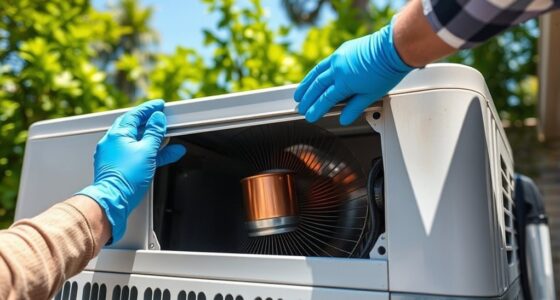
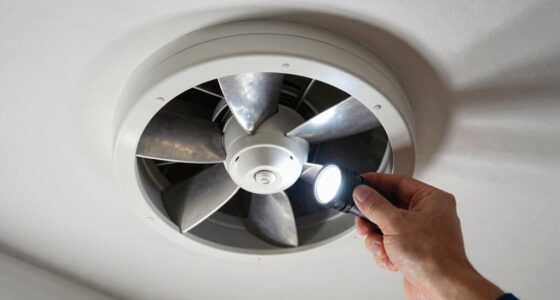
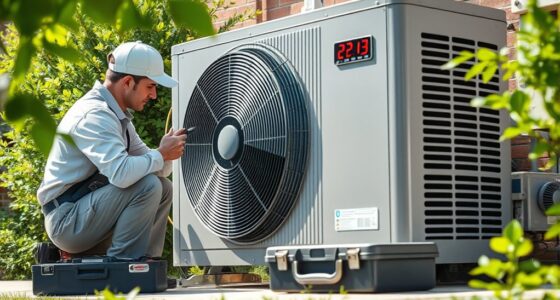
After a storm, inspect your outdoor HVAC unit for damage, such as bent or missing fan blades, loose wiring, or debris blocking airflow. Clear away leaves, branches, and dirt, and check for signs of high wind impact or falling objects. Confirm electrical connections are dry and intact, and clean the condenser coil carefully. For significant damage or concerns, contact a professional. Continue to discover essential steps to keep your system safe and efficient post-storm.
Key Takeaways
- Inspect outdoor units for physical damage, debris, and airflow obstructions caused by storm debris or high winds.
- Turn off power before inspecting electrical connections and avoid attempting repairs unless qualified.
- Clean and gently remove dirt, mud, and debris from condenser coils and fins to maintain airflow and efficiency.
- Check for structural damage, cracked components, or displaced parts, and contact professionals for significant repairs.
- Review and enhance preventative maintenance routines to mitigate future storm damage and ensure system readiness.

After a storm passes, it’s essential to evaluate your outdoor HVAC equipment to make certain it’s functioning properly and to prevent further damage. Storms often bring rain damage, high winds, and debris that can compromise your system’s performance or cause safety hazards. Taking quick, deliberate action helps guarantee your equipment remains safe and efficient. Start by inspecting the area around your outdoor unit, looking for any signs of damage like bent or missing fan blades, loose or disconnected wiring, or debris such as leaves, branches, or dirt that might have accumulated. Clearing away debris is crucial, as it can obstruct airflow, leading to system strain or overheating.
Rain damage is a common concern after storms, especially if water seeps into electrical components or causes corrosion. Carefully check the electrical connections, looking for corrosion, rust, or water pooling. If you notice any damage, avoid turning the system on until a professional has inspected it. Water intrusion can pose serious safety risks, including electrical shorts or fires, so applying safety precautions is paramount. Shut off power to the unit at the breaker before touching any wiring or components to prevent electrical shocks, and don’t attempt repairs unless you’re qualified.
Next, examine the condenser coil and fins for dirt, mud, or damage. Heavy rain and storm debris can clog these areas, reducing efficiency and increasing energy consumption. Gently remove any obstructions and, if needed, use a soft brush or garden hose to clean the coils, but be cautious not to bend or damage the fins. If the fins are bent, a fin comb can help straighten them out. Ensuring proper airflow is critical, especially after a storm, to keep your system running smoothly. Additionally, inspecting for storm-related damage can help identify issues that might not be immediately visible but could affect your system’s performance over time. It’s also advisable to review your system’s preventative maintenance to ensure it’s in optimal condition for future storms.
Check for signs of structural damage, such as cracked or displaced components, which might have been caused by falling objects or high winds. If you discover any significant damage, contact a professional HVAC technician for repairs rather than trying to fix it yourself. Regular maintenance and prompt inspections after storms help prevent long-term issues and costly repairs. Recognizing signs of weather-related issues early can save you from more extensive repairs later.
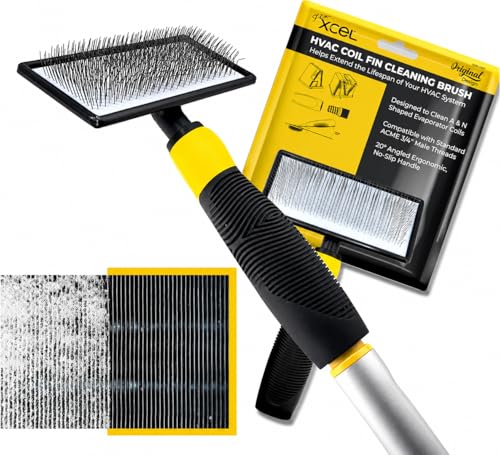
HVAC Coil Cleaner Brush for AC Evaporator & Condenser Coil Cleaning
- Effective Coil Cleaning: Removes debris for better airflow
- Deep Cleaning Capability: Cleans dirt from evaporator and condenser coils
- Compatible with Extension Poles: Fits standard ¾-inch ACME poles for tight spaces
As an affiliate, we earn on qualifying purchases.
As an affiliate, we earn on qualifying purchases.
Frequently Asked Questions
How Often Should Outdoor HVAC Units Be Inspected After a Storm?
After a storm, you should inspect your outdoor HVAC unit immediately and then again within 24 to 48 hours. During these inspections, check for electrical hazards, such as damaged wiring or exposed components, and remove any debris blocking airflow. Regular follow-ups are essential, especially if the storm was severe, to guarantee safety, proper functioning, and prevent further damage. Always prioritize safety and consider professional help for thorough inspections.
What Safety Precautions Should I Take During Storm Recovery?
During storm recovery, prioritize personal safety by wearing insulated gloves and sturdy footwear to avoid electrical hazards. Turn off the power supply before inspecting or repairing outdoor HVAC units to prevent shocks. Be cautious of fallen power lines and debris, and avoid wet or flooded areas. Keep safety gear handy, and if you’re unsure about electrical hazards, call a professional. Your safety is essential to avoid accidents during storm cleanup.
Can Storm Damage Void My HVAC Warranty?
Storm damage can void your HVAC warranty if it’s deemed caused by neglect or improper maintenance, affecting warranty coverage and damage liability. You should review your warranty terms carefully, as some policies exclude storm-related damage. To protect yourself, document any damage thoroughly and contact your provider promptly. Regular maintenance and timely inspections help guarantee coverage remains valid, and you avoid disputes over damage liability after a storm.
How Do I Prevent Future Storm Damage to Outdoor Units?
A stitch in time saves nine, so take proactive steps for storm preparedness to prevent future storm damage to your outdoor units. Secure or anchor your HVAC equipment, clear debris around it, and install protective covers if possible. Regular maintenance and inspections also help identify vulnerabilities early. By taking these damage prevention measures, you mitigate the risk of costly repairs and ensure your system stays functional during stormy weather.
Is Professional Help Necessary for Storm Damage Assessment?
Yes, professional help is necessary for storm damage assessment. You should contact a qualified HVAC technician to evaluate your outdoor unit’s condition, especially if you’re filing insurance claims or considering emergency repairs. Experts can identify hidden damage, guarantee proper repairs, and prevent further issues. Their assessment helps you navigate insurance claims smoothly and ensures your system is safely restored, reducing long-term damage and operational costs.

Cenipar 2PCS Air Conditioner Condenser Fin Comb Set Include FCR6 Fin Comb and Stainless Radiator Fin Comb Compatible with Air Conditioner HVAC Fin Comb Straightener
- Includes Fin Comb and Radiator Comb: FCR6 Ring Fin Comb and stainless radiator fin comb
- Enhances Air Conditioner Efficiency: Regular cleaning improves performance
- High-Quality Materials: Made from durable, strict quality standards
As an affiliate, we earn on qualifying purchases.
As an affiliate, we earn on qualifying purchases.
Conclusion
After a storm, taking quick action can prevent costly damage to your outdoor HVAC equipment. Remember, about 70% of HVAC failures after storms are caused by water or debris intrusion, which can lead to costly repairs or replacements. By following this checklist, you protect your investment and safeguard your system’s longevity. Stay vigilant, inspect thoroughly, and don’t hesitate to call a professional if needed—your comfort and safety depend on it.

Xeeol 36×36 Central Air conditioner Covers for Outside, Larger Mesh AC Unit Covers Outdoor – Top Universal Defender
- Rust-resistant and durable material: Made from thick resin mesh with stainless steel grommets
- Enhanced air circulation: Small rectangular holes for breathability
- Easy installation process: Simple setup with elastic hook and video guide
As an affiliate, we earn on qualifying purchases.
As an affiliate, we earn on qualifying purchases.

Mini Thermal Imager, Monocular Thermal Imager, 240 x 240 Infrared Resolution, HVAC Tool, Infrared Thermometer, Electrical Wiring Inspection — Black and Red (Black)
- Enhanced Thermal Resolution: 320 x 240 resolution with TISR technology
- Wide Field of View: 50° x 38° for detailed inspections
- High Refresh Rate: 25 Hz for smooth thermal images
As an affiliate, we earn on qualifying purchases.
As an affiliate, we earn on qualifying purchases.