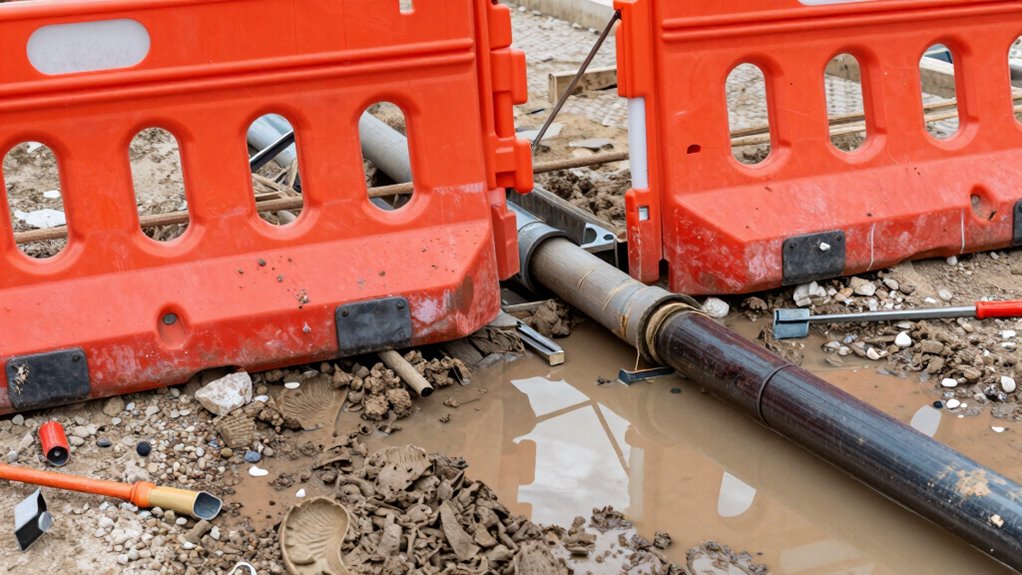

One common mistake that can slow your cleanup projects is neglecting proper water management during drainage setup. If you overlook rainwater harvesting and erosion control, you’ll face excessive runoff, soil erosion, and clogged channels. These issues cause delays, increase costs, and make cleanup more difficult. To avoid these problems, make sure you integrate effective water flow management from the start. Keep going to discover key strategies that will help you prevent these setbacks and keep your project on track.
Key Takeaways
- Neglecting rainwater harvesting and erosion control leads to water pooling and sediment buildup, causing drainage blockages.
- Poorly planned drainage systems increase the risk of flooding and soil erosion, delaying cleanup efforts.
- Overlooking erosion control measures results in sediment clogging pipes and channels, slowing project progress.
- Missing integration of water management techniques causes long-term drainage inefficiencies and project setbacks.
- Inadequate water flow management necessitates regrading and repairs, extending cleanup timelines and increasing costs.
Have you ever overlooked an essential step when setting up your drainage system? If so, you might already be familiar with how small mistakes can lead to big delays during cleanup projects. One common oversight is neglecting to incorporate rainwater harvesting and soil erosion control measures into your drainage plan. These elements are crucial for managing water flow effectively, especially in areas prone to heavy rainfall or loose soil. When you skip these steps, you risk exacerbating erosion, flooding, or water pooling, all of which slow down cleanup efforts and increase costs. Properly integrating water management techniques can significantly improve the efficiency of your drainage system and reduce long-term problems.
Rainwater harvesting isn’t just about collecting water; it’s about responsibly directing it away from problem areas. If you don’t design your system to efficiently capture and redirect rainwater, you’ll likely face excessive runoff that wears away soil and destabilizes your landscape. Properly integrated rainwater harvesting can reduce the volume of water that needs to be managed downstream, easing the burden on your drainage infrastructure. It also prevents water from pooling in unwanted spots, which can create muddy messes or undermine the stability of nearby structures. When you overlook this step, you often find yourself battling persistent water accumulation that hampers cleanup and prolongs project timelines.
Proper rainwater management prevents pooling, erosion, and delays—essential for a smooth, efficient cleanup process.
Soil erosion control is equally critical. Without it, loose soil becomes easily displaced by flowing water, leading to sediment buildup in drainage channels or clogged systems. This debris obstructs water flow and forces you to spend extra time clearing blockages. Effective soil erosion control techniques—such as silt fences, planting ground cover, or installing erosion mats—help stabilize the soil, reducing sediment runoff and maintaining the integrity of your drainage setup. Failing to include these measures means your project site remains vulnerable to erosion, which can undo your work and cause additional damage that slows progress. Paying attention to requirements traceability can help you identify the necessary steps and ensure all critical elements are addressed during planning.
When these elements are ignored, the entire cleanup process becomes more complicated and time-consuming. You might find yourself constantly fixing clogged pipes, regrading areas, or battling ongoing erosion. This not only delays project completion but also increases costs and effort. By paying attention to rainwater harvesting and soil erosion control from the start, you create a more resilient and efficient drainage system. Incorporating sustainable water management practices can further enhance your project’s resilience to weather variability and environmental impact. This foresight helps you manage water flow smoothly, minimizes disruptions, and keeps cleanup tasks on track. In the end, skipping these steps is a mistake that can considerably slow down your project, so make sure to incorporate them into your planning and installation phases.

Best Downspout Diverter Rainwater Harvesting & Collection, Self-Flushing, Prevents Clogs, Fits 2-5/8 x 2-5/8, 2×3, 3×3, 3×4, up to 5×5 & Round Downspouts.
Patented Rainwater Diverter System – Designed for maximum efficiency, this downspout diverter kit captures more water faster with…
As an affiliate, we earn on qualifying purchases.
As an affiliate, we earn on qualifying purchases.
Frequently Asked Questions
How Can I Identify Drainage Setup Mistakes Early?
You can spot drainage setup mistakes early by checking soil compaction and slope grading. If the soil feels overly compacted, water may not drain properly, causing delays. Examine the slope grading to make certain it directs water away from structures and toward drainage areas. Regularly inspect these aspects during setup, and make adjustments as needed. Catching issues early prevents slowdowns and keeps your cleanup project on schedule.
What Tools Are Best for Fixing Drainage Issues?
For fixing drainage issues, you’ll want reliable tools like a trench shovel, a garden fork, and a drainage camera to inspect the system. These help you identify problems within the drainage system quickly. Use repair techniques such as sealing leaks with waterproof sealant or replacing damaged pipes. Having these tools on hand guarantees you can efficiently address issues, restore proper flow, and prevent future delays in your cleanup projects.
How Long Does It Typically Take to Correct Drainage Mistakes?
You might find that correcting drainage mistakes takes anywhere from a few days to several weeks, depending on the project’s scope. During this time, you’ll focus on drainage optimization and soil stabilization to guarantee proper water flow. Your proactive approach accelerates the process, but unforeseen issues can still arise. With patience and proper tools, you’ll effectively restore drainage, preventing future delays and ensuring your cleanup project proceeds smoothly and efficiently.
Are There Specific Signs Indicating Drainage Problems?
Yes, there are clear signs of drainage problems. You might notice soil erosion around your property, where water washes away the soil, or water pooling in unwanted areas after heavy rain. These signs indicate poor drainage, which can lead to further issues like foundation damage or landscaping problems. Address these early by evaluating your drainage system and making necessary adjustments to prevent future complications and keep your property safe and dry.
What Are the Costs Associated With Fixing Drainage Setup Errors?
You might think fixing drainage mistakes costs a fortune, but a thorough cost analysis often reveals it’s more manageable than expected. Repair strategies like rerouting pipes or installing new drainage systems vary in cost, depending on the extent of the error. While initial expenses seem high, neglecting repairs can lead to costly property damage and delays, making timely fixes a smart, cost-effective choice to keep your project on track.

Silt Fence with Stakes – 200 x 3ft, Black Erosion Silt Fence Fabric Including 20 Wooden Stakes, Heavy Duty Silt Fencing Erosion Barrier for Construction Sites, Farms, Landscape, Yards
LARGE SIZE CAN BE CUT: The total length is 200 feet with a fabric height of 24 inches…
As an affiliate, we earn on qualifying purchases.
As an affiliate, we earn on qualifying purchases.
Conclusion
Imagine trying to empty a sinking boat with holes in the bottom; no matter how much you bail, water keeps coming in. That’s what happens when you set up drainage incorrectly—your cleanup efforts are constantly thwarted. A simple mistake in your drainage setup can be like patching one hole only to find another. Pay attention to the details, and don’t let a small oversight turn your project into an ongoing leak. Proper setup keeps your progress afloat.

VEVOR Trench Drain System 6 Pack, Channel Drain with Plastic Grate 5.8 x 3.1 in HDPE Drainage Trench, Black Plastic Garage Floor Waterway 6 x 39 in with 6 End Caps for Garden Driveway
Low-Profile Drainage System: This trench drain is designed for lawns, gardens, farms, patios, pool sides, offices, driveways, and…
As an affiliate, we earn on qualifying purchases.
As an affiliate, we earn on qualifying purchases.
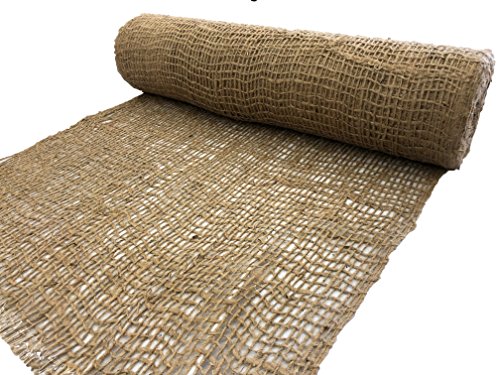
Jute Erosion Control, Soil Saver Mesh Blanket – 48" Wide x 20 Yards (60 feet Long) – 240 Sq. Ft. Coverage
Premium Jute Construction: Our Soil Saver Erosion Control Fabric is made from premium-quality jute, a natural and biodegradable…
As an affiliate, we earn on qualifying purchases.
As an affiliate, we earn on qualifying purchases.