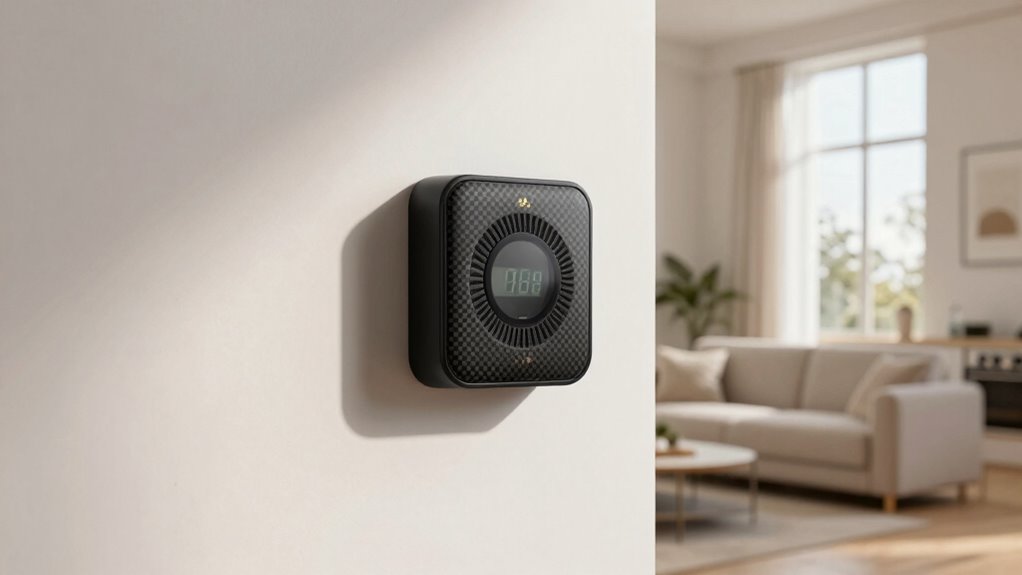

You should prioritize CO sensors because they detect a silent, deadly gas that electrical upgrades can’t prevent. While extra watts help power appliances, they don’t protect you from carbon monoxide poisoning. CO sensors provide immediate alerts, saving lives in case of leaks from furnaces, water heaters, or garages. Understanding their importance can help you make smarter safety choices—stick around to discover how these sensors can safeguard your home better than electrical improvements alone.
Key Takeaways
- CO sensors detect invisible, deadly gas, providing life-saving alerts unlike electrical capacity upgrades.
- Proper CO detection prevents poisoning from malfunctioning appliances or leaks, ensuring household safety.
- Electrical capacity supports appliances but does not address the invisible threat of carbon monoxide.
- Installing CO sensors offers continuous, proactive monitoring critical for homes with gas appliances or attached garages.
- Prioritizing CO detection enhances overall safety, often more urgently needed than increasing electrical wattage.

When it comes to home safety, adding extra watts to your electrical system might seem important, but it’s not nearly as vital as installing carbon monoxide (CO) sensors. While boosting your electrical capacity can help power larger appliances or prevent overloads, it doesn’t address the silent danger lurking in many homes — carbon monoxide. This colorless, odorless gas is a serious threat because it’s nearly impossible to detect without proper sensors. CO detection plays a crucial role in maintaining indoor air quality, especially in homes with gas appliances, fireplaces, or attached garages. Without a CO sensor, you might never realize there’s a problem until symptoms like dizziness, headache, or worse, poisoning, occur.
Installing CO sensors is essential for safety, as they detect deadly, invisible gas unseen without proper devices.
Indoor air quality isn’t just about having fresh air or reducing allergens; it also involves monitoring harmful gases like carbon monoxide. Installing CO detectors ensures you’re alerted immediately if dangerous levels of this gas accumulate. Unlike electrical upgrades, which primarily support convenience and functionality, CO sensors provide life-saving protection. They continuously monitor the air in your home, giving you peace of mind that you’ll be warned before CO reaches dangerous concentrations. This is especially important during winter months when appliances run more frequently, or if your home relies on gas heating or cooking devices.
You might think that increasing your electrical capacity allows you to run more appliances safely, but it doesn’t prevent CO buildup. If anything goes wrong with a furnace, water heater, or stove, the resulting CO leak can be deadly. Installing a CO sensor is a proactive step that directly addresses this risk. It’s not just about compliance or safety tips; it’s about actively protecting your loved ones from a threat that’s invisible and silent. When you prioritize carbon monoxide detection over extra electrical watts, you’re making a smart choice to improve your indoor air quality and overall safety. Proper ventilation practices can also significantly reduce the risk of CO accumulation in your home.
In addition, understanding home safety concepts like proper ventilation and appliance maintenance can significantly reduce the risk of CO poisoning. Regular appliance inspections are essential for ensuring that devices are functioning properly and not contributing to dangerous CO emissions. Installing CO sensors is a simple yet effective way to provide an additional layer of safety, especially in homes with multiple gas-powered appliances. A thorough understanding of CO sources and risks can help homeowners make informed decisions to protect their families. When you combine these practices with CO sensors, you create a comprehensive approach to safeguarding your household. It’s a small investment that yields big peace of mind, especially in areas prone to gas usage or poor airflow.
In the end, adding watts might help with your home’s power needs, but it won’t prevent the dangers of CO poisoning. A CO sensor offers immediate, reliable detection, giving you time to react and call for help. This simple device makes a significant difference in safeguarding your household and ensuring your indoor environment remains healthy and safe. So, when considering home upgrades, remember that your best investment isn’t always extra power — it’s early warning systems that protect your air and your life.
As an affiliate, we earn on qualifying purchases.
Frequently Asked Questions
How Do CO Sensors Detect Dangerous Levels of Carbon Monoxide?
You might wonder how CO sensors detect dangerous carbon monoxide levels. They use advanced gas detection and sensor technology to identify CO molecules in the air. When CO levels rise, the sensor detects the change and triggers an alarm, alerting you to evacuate or ventilate the space. This quick response helps prevent poisoning, making CO sensors essential safety devices, especially in homes with gas appliances or poor ventilation.
Are CO Sensors Required by Law in Residential Homes?
Think of CO sensors as your home’s silent guardians. In many areas, legal requirements mandate installing these sensors to protect residents from carbon monoxide dangers. You should check your local building codes to confirm whether sensor installation is compulsory in your home. While laws vary, having these detectors is a smart, proactive step to guarantee safety, keeping you and your loved ones out of harm’s way without relying solely on extra watts or power.
What Are the Signs of Carbon Monoxide Poisoning?
If you suspect carbon monoxide poisoning, you might experience symptoms like headache, dizziness, weakness, nausea, or confusion. Poor indoor air quality often contributes to these issues, especially if your HVAC system isn’t well-maintained. To protect yourself, guarantee regular HVAC maintenance and install reliable CO sensors. These sensors alert you early, helping prevent dangerous CO buildup and keeping your indoor air quality safe for everyone in your home.
How Often Should CO Sensors Be Tested or Replaced?
Think of your CO sensor as a loyal guardian—regular checkups keep it vigilant. You should test your CO sensors monthly and replace them every 5 to 7 years, depending on the manufacturer’s recommendations. Proper sensor placement—ideally on every level near sleeping areas—ensures safety. Stick to a maintenance schedule, and you’ll keep your home’s guardian alert, providing peace of mind against silent dangers.
Can CO Sensors Prevent Carbon Monoxide-Related Accidents?
Yes, CO sensors can prevent carbon monoxide-related accidents by alerting you to dangerous indoor air levels early. When installed properly as part of your safety equipment, they continuously monitor indoor air quality and sound alarms if CO levels rise unexpectedly. This early warning allows you to evacuate and address potential sources, considerably reducing health risks. Regular testing and maintenance ensure your CO sensors remain effective in protecting your home and loved ones.
As an affiliate, we earn on qualifying purchases.
Conclusion
While extra watts might power your devices, a CO sensor can be the silent guardian that saves your life. Imagine the glow of your lights versus the invisible, deadly gas lurking unseen. It’s easy to overlook safety in favor of convenience, but the true protection comes from awareness. Investing in a CO sensor isn’t just about meeting standards—it’s about ensuring your home remains a safe haven, even when the lights are out and the danger is unseen.
As an affiliate, we earn on qualifying purchases.
wireless carbon monoxide detector
As an affiliate, we earn on qualifying purchases.
As an affiliate, we earn on qualifying purchases.