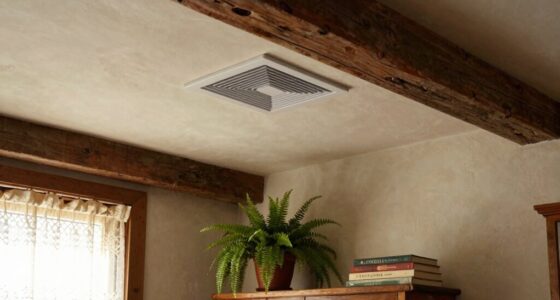
If you have a low-load home, you need a different HVAC approach because traditional systems are often oversized and inefficient. You’ll benefit from designing systems that match your home’s reduced heating and cooling needs, using zoning, smart controls, and properly sized ducts. This helps prevent temperature swings, improves comfort, and saves energy. Understanding these adjustments is key—keep exploring to discover how to optimize your home’s HVAC for best efficiency.
Listen free for 30 days with Audible
Thousands of audiobooks and originals — cancel anytime.
As an affiliate, we earn on qualifying purchases.
Key Takeaways
- Low-load homes have reduced heating and cooling demands, requiring HVAC systems to be properly sized for efficiency.
- Oversized systems cause short cycling and uneven temperatures, necessitating a different design approach.
- Zoning strategies optimize comfort and energy use by targeting specific areas based on occupancy.
- Duct design must be carefully calibrated to match low airflow needs, preventing temperature swings.
- Advanced controls and regular maintenance are essential for maximizing efficiency and system performance in low-load homes.
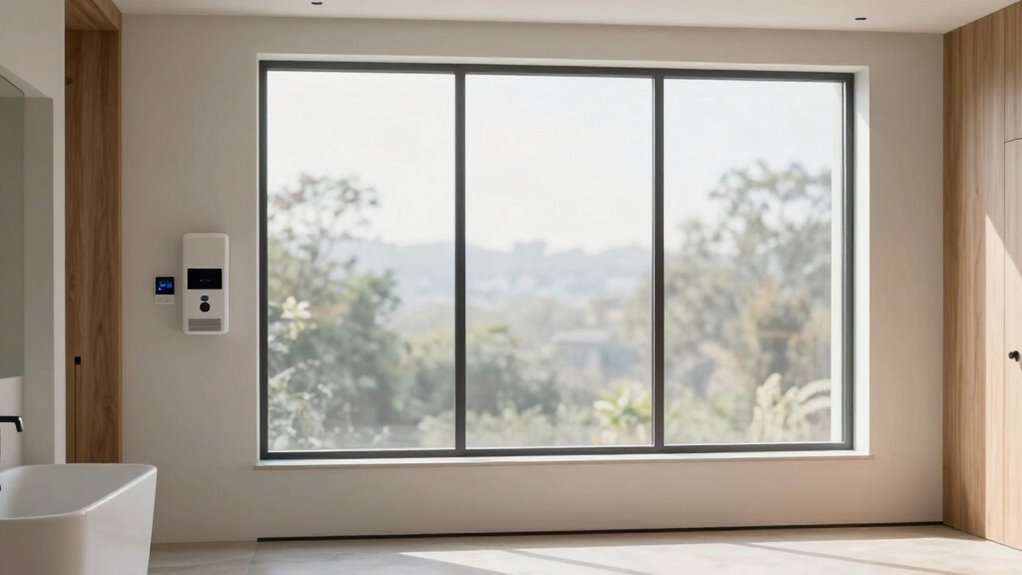
If you’re building or upgrading a home, understanding how low-load designs impact your HVAC system is vital. Low-load homes are characterized by their energy efficiency, thanks to better insulation, airtight construction, and efficient windows. These features markedly reduce the demand for heating and cooling, meaning the HVAC system doesn’t need to work as hard as it would in a traditional home. Because of this, your approach to selecting and managing your HVAC system should shift to optimize these efficiency gains. Standard systems designed for larger loads often become oversized for low-load homes, leading to inefficiencies, short cycling, and uneven temperature control.
In a low-load home, zoning strategies become fundamental. Instead of running a single centralized system that tries to serve the entire house evenly, zoning allows you to divide your home into smaller, controllable sections. This way, you can heat or cool only the areas that need it, improving energy efficiency and comfort. Zoning systems help prevent energy waste by avoiding unnecessary heating or cooling of unoccupied spaces, which is especially important in low-load homes where small changes in system operation can have outsized impacts. When you implement zoning strategies, you’re essentially tailoring your HVAC system’s operation to match the house’s actual heating and cooling needs, rather than a one-size-fits-all approach. Additionally, because low-load homes tend to have lower airflow requirements, you need to consider duct design carefully. Oversized ducts or poorly designed airflow pathways can cause temperature swings and reduce system efficiency. Properly sized ducts, combined with smart zoning, ensures your HVAC system operates smoothly, maintaining comfort without wasting energy. Incorporating duct design principles can further improve system performance in low-load homes. You might also want to explore advanced control systems, such as smart thermostats and sensors, that can fine-tune the operation of each zone based on occupancy and preferences. These tools help maximize energy efficiency while maintaining comfort, giving you more control over your home’s climate. Understanding HVAC system sizing and how it relates to your home’s specific load can make a significant difference in system performance and efficiency. Recognizing the importance of building envelope design can also support maintaining optimal indoor conditions with minimal energy use. Proper system maintenance and regular calibration further ensure your HVAC operates at peak efficiency in a low-load environment. Incorporating energy modeling tools can help you predict and optimize your system’s performance before installation.
As an affiliate, we earn on qualifying purchases.
Frequently Asked Questions
How Does Low-Load Design Affect HVAC Equipment Lifespan?
Low-load design can extend your HVAC equipment’s lifespan because it promotes better energy efficiency, reducing strain on the system. When your home requires less cooling or heating, the equipment doesn’t have to work as hard, which minimizes wear and tear. This increased durability means fewer repairs and replacements over time. By adopting a low-load approach, you guarantee your HVAC system stays reliable and efficient, saving you money in the long run.
Are Standard HVAC Systems Compatible With Low-Load Homes?
Did you know that over 60% of standard HVAC systems struggle with low-load homes? You can’t rely solely on traditional systems for ideal comfort and efficiency. Standard HVAC compatibility often falls short because of system integration issues, leading to poor performance and higher energy bills. To get the most out of your low-load home, you need specialized equipment designed specifically for its unique demands, ensuring seamless operation and long-term durability.
What Maintenance Challenges Are Unique to Low-Load Home HVAC?
In low-load homes, you face unique maintenance challenges like ensuring proper ventilation strategies and addressing insulation considerations. You need to regularly check that ventilation systems are balancing airflow without overworking the HVAC, which can cause inefficiency. Additionally, insulation must be maintained to prevent drafts or heat loss. These factors require tailored attention, so you can keep your system running efficiently and maintain comfort without unnecessary strain on your HVAC.
How Can Smart Technology Optimize HVAC for Low-Load Homes?
Smart technology, like a gentle breeze guiding your home’s comfort, can optimize HVAC for low-load homes. Installing smart thermostats allows you to precisely control temperature, preventing energy waste. Coupled with energy monitoring, you gain real-time insights into your system’s performance, helping you fine-tune settings for efficiency. This proactive approach guarantees your home stays comfortable while reducing energy bills, making your HVAC system smarter and more responsive.
What Are the Cost Implications of Switching to a Different HVAC Mindset?
Switching to a different HVAC mindset can initially cost more due to upgraded equipment and smart technology integration. However, you’ll see significant energy efficiency improvements, leading to long-term cost savings. You’ll reduce utility bills and maintenance expenses while enjoying more precise climate control. Though the upfront investment might be higher, the enhanced efficiency and performance ultimately make it a smart financial decision, delivering ongoing savings and comfort.
smart thermostats for low-load homes
As an affiliate, we earn on qualifying purchases.
As an affiliate, we earn on qualifying purchases.
Conclusion
Imagine trying to steer a boat with a tiny rudder—it’s all about precision. Similarly, low-load homes require a different HVAC mindset because their smaller energy needs demand tailored solutions for efficiency and comfort. Just like that delicate rudder, your approach must be precise, adjusting to the home’s unique dynamics. Embracing this mindset makes certain you’re not just keeping up with the trend but truly optimizing comfort and savings in every corner of these homes.
properly sized ductwork for energy efficiency
As an affiliate, we earn on qualifying purchases.
As an affiliate, we earn on qualifying purchases.
energy-efficient HVAC system for low-load house
As an affiliate, we earn on qualifying purchases.
As an affiliate, we earn on qualifying purchases.
Fall Picks
fall essentials
As an affiliate, we earn on qualifying purchases.