Off-grid heat pump plans often fail on paper because they rely on overly optimistic assumptions about energy availability, efficiency, and costs. You might overlook hidden expenses, seasonal variations, and practical constraints like space and maintenance needs. These factors rarely align perfectly in real life, causing your system to underperform or become unmanageable. If you want to avoid these pitfalls, understanding the common challenges will help you create more realistic, reliable plans from the start.

Get backup power and energy gear delivered free — and shop member deals
- Fast, free delivery on millions of items
- Access to Prime Big Deal Days deals on October 6–7
- Prime Video, Amazon Music and more included
Key Takeaways
- Overly optimistic assumptions about energy availability and system performance lead to unrealistic plans.
- Ignoring seasonal renewable variability causes underestimation of energy shortfalls during low-generation periods.
- Failure to account for practical constraints like space, maintenance, and storage results in unfeasible designs.
- Underestimating costs and hidden expenses, such as batteries and backup systems, skews budget projections.
- Neglecting system redundancy and management needs compromises long-term reliability and operational success.

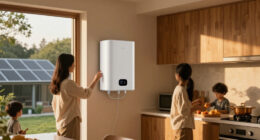
If you’re looking to generate heat in a remote or self-sufficient location, off-grid heat pump plans offer an effective solution. These systems leverage renewable energy sources, such as solar or wind power, making them appealing for those aiming to reduce reliance on fossil fuels. However, despite their promise, many of these plans fall short long before you even get to install them. The problem often begins with the planning stage, where assumptions about energy availability, efficiency, and costs tend to be overly optimistic.
Off-grid heat pump plans often falter early due to overly optimistic assumptions about energy, efficiency, and costs.
When you start designing an off-grid heat pump system, a thorough cost analysis is vital. But more often than not, initial estimates overlook hidden expenses, such as additional batteries, backup generators, or specialized insulation to compensate for unpredictable weather. These overlooked costs make the project less financially feasible than initially thought, and that’s when plans start to unravel. Without a realistic budget, it’s easy to underestimate the true expenses and overestimate the system’s efficiency, leading to disappointment when the system doesn’t perform as expected.
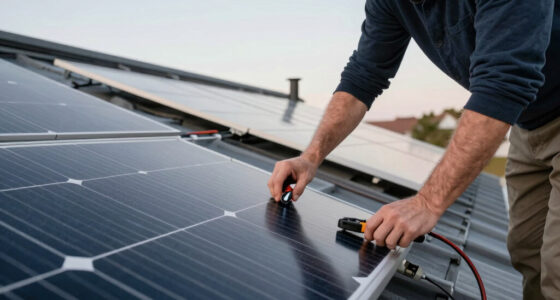
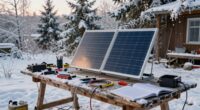
Renewable energy sources are central to off-grid heat pump plans, but their variability complicates the design process. Solar panels might produce ample power during summer, but winter months can reduce their output considerably. Wind turbines face similar challenges, with inconsistent wind patterns affecting energy availability. These fluctuations make it difficult to guarantee a steady power supply needed for reliable heating. When you rely solely on these sources without accounting for seasonal changes, your initial plan may look perfect on paper but fail in real life because the system cannot consistently meet your heating demands.
Furthermore, the assumptions baked into your plans often ignore practical constraints. For example, the space needed for solar panels or wind turbines may be more extensive than you initially anticipated. The maintenance requirements for renewable energy equipment can also be underestimated, leading to higher ongoing costs. Without realistic projections that include these factors, your plans will likely fall apart when faced with the realities of operating in a remote setting. Additionally, reliable energy storage solutions are often overlooked, which are essential for maintaining consistent heating during low-generation periods. Proper energy storage capacity is crucial for bridging gaps in power supply, especially during extended periods of low renewable output. Recognizing the importance of system redundancy can help ensure your setup continues to function under unexpected conditions. Moreover, understanding smart home integration can improve system management and efficiency, especially in unpredictable environments. Without considering these practical limitations, even well-designed plans can become unfeasible once implemented.
As an affiliate, we earn on qualifying purchases.
Frequently Asked Questions
How Much Does an Off-Grid Heat Pump System Typically Cost?
An off-grid heat pump system typically costs between $10,000 and $20,000, depending on size and efficiency. You should do a thorough cost estimation, factoring in equipment, installation, and maintenance. Keep budget considerations in mind, as upfront costs can be high, but long-term savings on energy bills can offset this. Planning ahead guarantees your off-grid system meets your needs without surprising expenses.
What Are the Best Locations for Off-Grid Heat Pump Installation?
They say, “Location is everything,” and that’s especially true for off-grid heat pumps. You should choose areas with mild climates, reliable water sourcing, and consistent renewable energy access. Coastal regions or areas with abundant water sources work well because they support effective heat exchange. Make certain your site has good sun exposure and minimal shading for solar support, making your system more efficient and sustainable long-term.
How Long Does It Take to Install an Off-Grid Heat Pump?
It typically takes a few days to install an off-grid heat pump, but efficiency challenges and installation delays can extend this timeline. You might need extra time for system setup, especially if site conditions are tricky or if you face supply chain issues. Prepare for potential delays, and guarantee your site is ready, so the installation proceeds smoothly and you get the most efficient, reliable heating for your off-grid setup.
Are Off-Grid Heat Pumps Suitable for Extreme Cold Climates?
Off-grid heat pumps can work in extreme cold climates, but their suitability depends on climate adaptability and solar compatibility. You’ll need a model designed for low temperatures and a reliable solar power system to support it. Proper insulation and backup heating methods also enhance performance. While some heat pumps struggle in harsh conditions, with the right setup, you can maintain efficiency and comfort even in extreme cold.
What Maintenance Is Required for Off-Grid Heat Pump Systems?
Your off-grid heat pump system needs regular care to stay reliable, or it’ll break down faster than you blink. You should check and replace filters monthly, keep the outdoor unit clear of debris, and schedule annual professional inspections. Focus on system durability by maintaining these simple tasks consistently. This routine maintenance keeps your system running smoothly, reduces unexpected failures, and guarantees your off-grid heating stays efficient and dependable, no matter the weather.
renewable energy backup batteries
As an affiliate, we earn on qualifying purchases.
As an affiliate, we earn on qualifying purchases.
Conclusion
You see, many off-grid heat pump plans stumble before even starting, often due to overlooked challenges like inconsistent power supply or extreme weather. Did you know that nearly 60% of off-grid systems fail within the first year? By thoroughly planning and understanding these pitfalls upfront, you can avoid costly mistakes and guarantee your system works seamlessly in real life. Careful preparation transforms an uncertain plan into a reliable, efficient heating solution you can trust.
off-grid wind turbine for heating
As an affiliate, we earn on qualifying purchases.
As an affiliate, we earn on qualifying purchases.
As an affiliate, we earn on qualifying purchases.
Halloween Picks
halloween
As an affiliate, we earn on qualifying purchases.